
Last updated November 24, 2026
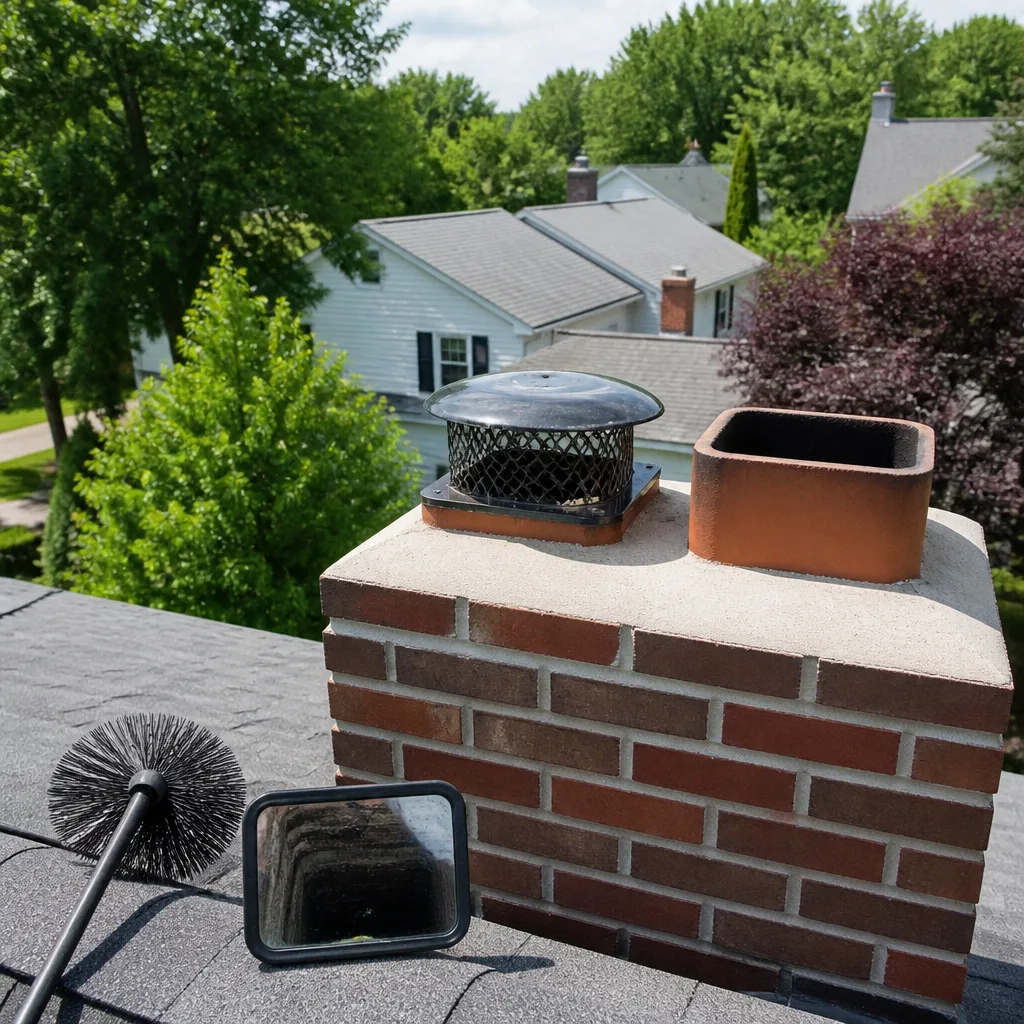 Sweep & inspection
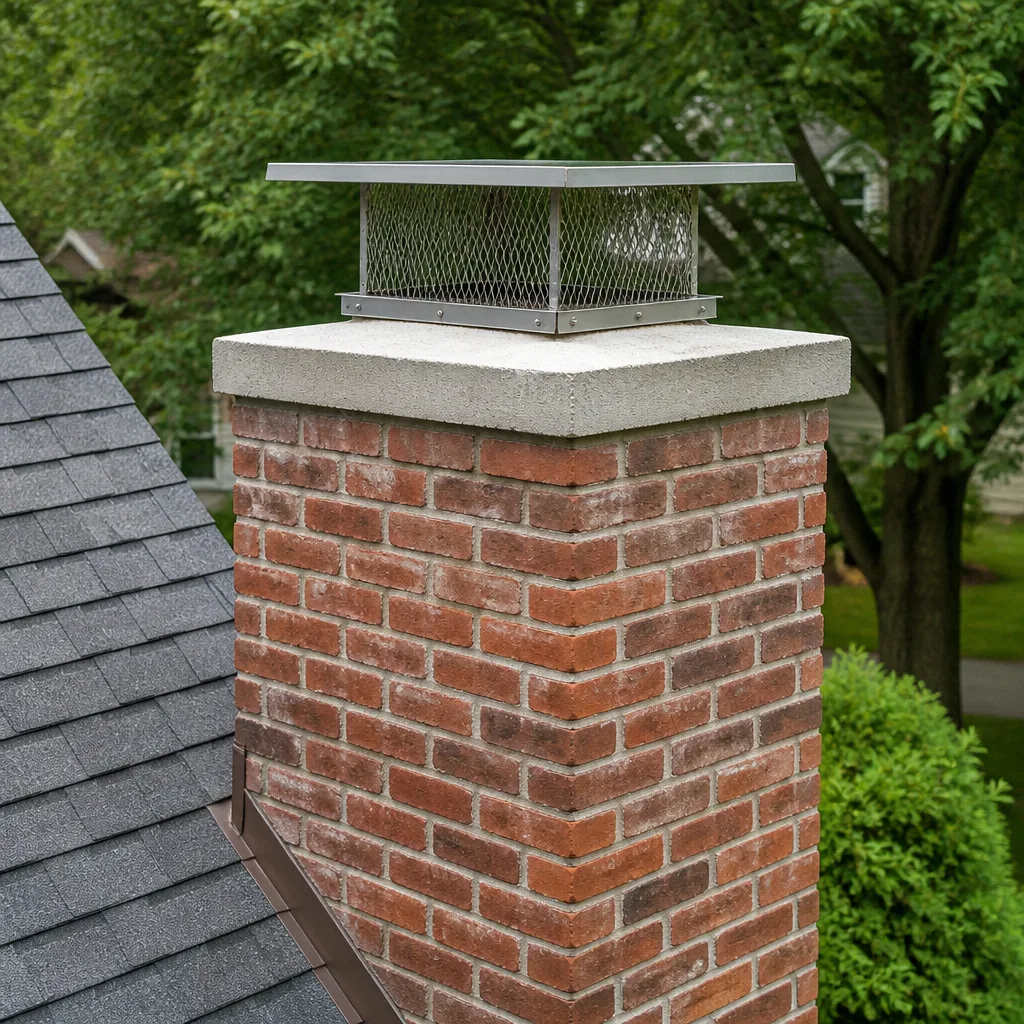 Caps & crowns
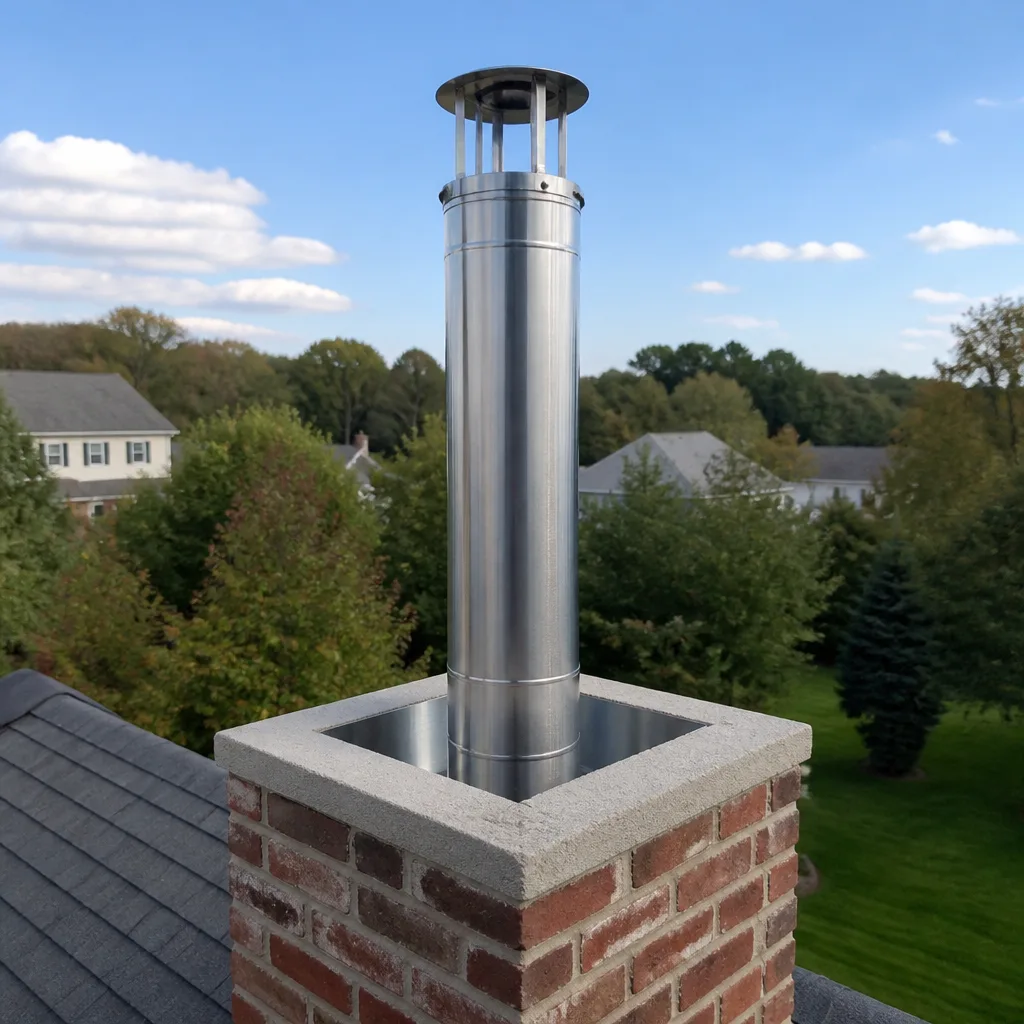 Flue relining
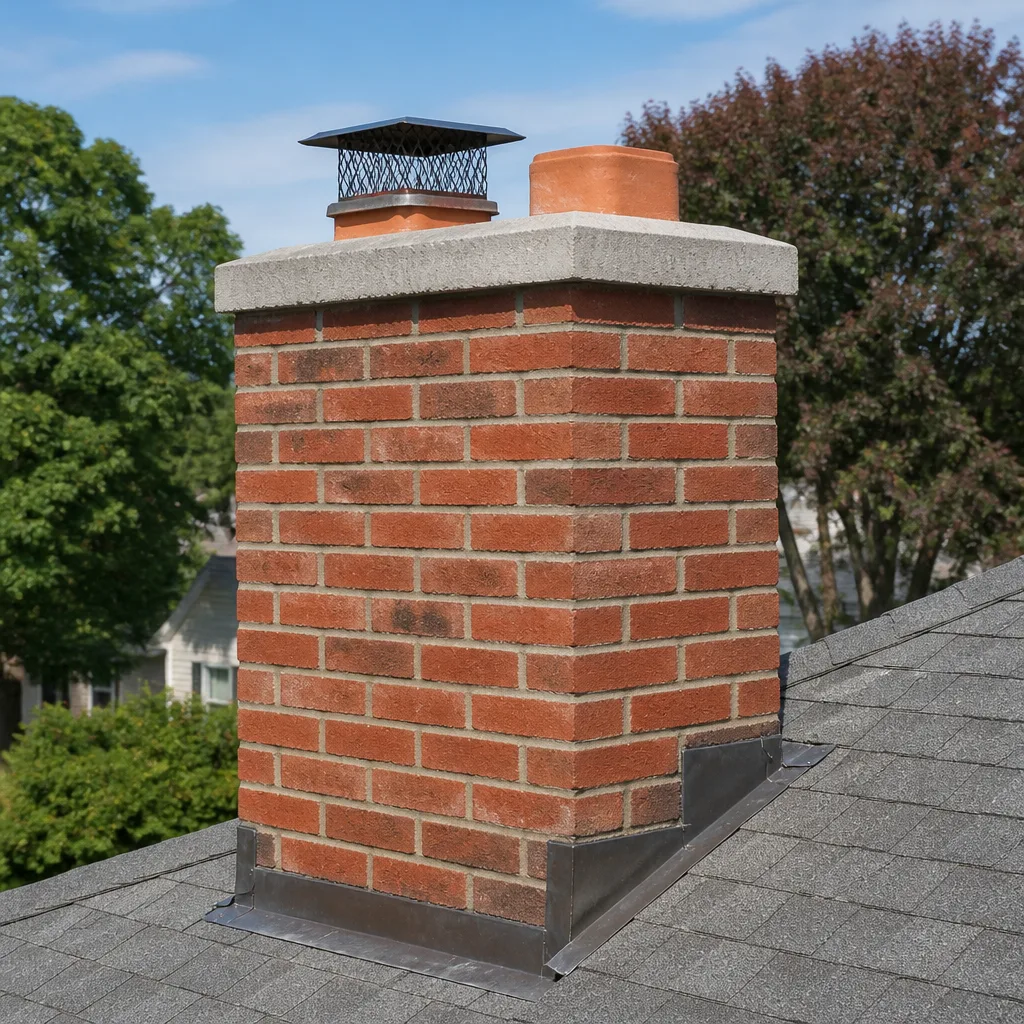 Masonry repair
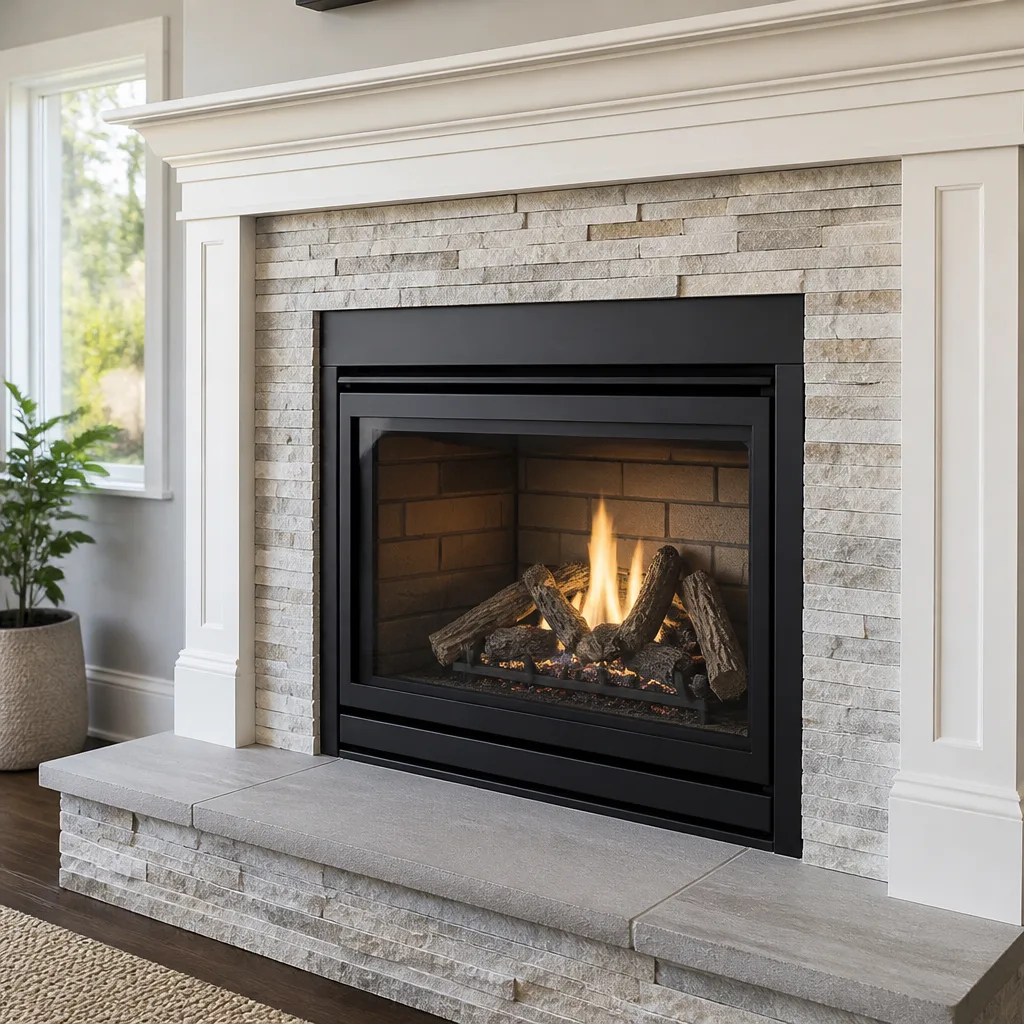 Gas fireplace service
Level 1 sweep and inspection to the NFPA 211 annual standard - flue, crown, cap, and flashing checked and photographed
Chimney sweep logs do not sweep chimneys. They loosen some creosote - which then falls where a brush and vacuum still have to collect it.
DIY vs Professional Chimney Cleaning: The Alief Homeowner’s Decision Guide
Chimney brushes and cleaning rods sit on hardware store shelves for the price of a decent dinner, and every fall someone in Alief buys a set, climbs a ladder, and decides they’ve handled their annual maintenance. Here’s the part the tutorials skip: the brush was never the valuable half of the job. Cleaning removes creosote, but the inspection that follows is what finds cracked flue tiles, failing joints, and blockages before they become a problem you can’t ignore. This guide breaks down, task by task, what an Alief homeowner can responsibly do themselves and where the line sits between maintenance and work that belongs to a professional.
Quick Answer
You can safely handle light ash removal, exterior visual checks, and keeping the firebox area clear, but a full flue cleaning plus a documented inspection is professional work. The cleaning itself is straightforward. The camera inspection and liner assessment that follow it are the parts that actually protect your home, and they require equipment and training most homeowners simply don’t have. If your chimney hasn’t been swept in a year or more, or you’ve never had it inspected, start with a professional visit and use DIY maintenance to keep things clean in between.
Styles & brands we work with
- Sweep & inspection
- Caps & crowns
- Flue relining
- Masonry repair
- Gas fireplace service
Table of Contents
- The Task-by-Task Breakdown: What You Can Do vs. What Requires a Pro
- The Tools Gap: Why a Brush Isn’t a Chimney Inspection
- The Documentation Problem: Why DIY Cleaning Leaves a Gap in Your Records
- Alief-Specific Factors That Tip the Scale Toward Professional
- How to Use DIY Maintenance Productively Between Professional Visits
- Gas vs. Wood: Different Systems, Different Rules
- Level I vs. Level II Inspections: What Each One Covers
- What Professional Cleaning Costs and Why the Price Isn’t the Brush
The Task-by-Task Breakdown: What You Can Do vs. What Requires a Pro
Most chimney work falls into two camps: maintenance tasks that keep your fireplace clean and safe between visits, and structural or diagnostic tasks that need training, equipment, or both. Knowing which camp a job belongs to is the single most useful thing you can take from this guide. We’ve seen homeowners in Alief do excellent, careful maintenance work on their own systems for years. We’ve also seen the other pattern, where a well-intentioned DIY cleaning hid a problem that only showed up when someone finally put a camera in the flue.
Tasks homeowners can safely handle
- Light ash removal: Once the firebox is fully cold, scooping out accumulated ash and disposing of it in a metal container is straightforward and low-risk. Leave a thin layer on the firebox floor; it helps protect the bricks.
- Exterior visual checks: From the ground, with binoculars if you have them, you can look for a missing cap, visible cracks in the crown, rust streaks, or animal activity around the flue. You don’t need to get on the roof to spot most of these.
- Interior firebox inspection: A flashlight and a slow look at the firebox walls, damper, and the smoke chamber above it will show you obvious soot buildup or loose mortar.
- Keeping the hearth clear: Removing clutter, checking the screen, and confirming the damper opens and closes smoothly are regular maintenance that costs nothing.
- Scheduling: Tracking when your last professional sweep happened and booking the next one before the fall rush is the highest-value DIY task on this list.
Tasks that require a professional
- Full flue cleaning: The brush work itself looks simple, but doing it correctly means protecting the firebox from soot, working from the roof safely, and covering the whole flue, not just the reachable part.
- Liner inspection and assessment: This is the piece DIY cleaning skips entirely. A camera inspection of the flue liner reveals cracks, gaps, and glaze that no flashlight can find.
- Creosote glazing removal: Third-degree creosote is a hard, tar-like deposit that a consumer brush won’t touch. Removing it safely requires specialized tools and, sometimes, chemical treatment.
- Chimney cap and crown work: Both sit at the top of the chimney and require ladder access, proper materials, and sealing knowledge. This is the leading source of the water intrusion we see in Alief chimney systems. Our chimney cap & crown service exists specifically for this work.
- Structural repairs and relining: Anything involving cracked tiles, a damaged smoke chamber, or liner replacement requires materials and expertise few homeowners have access to.
The dividing line is simple: if the task requires going up to the chimney top, going deep into the flue, or assessing whether the flue is safe to use, it belongs to a professional. If it involves cleaning the parts you can safely reach from the ground, it’s fair game for a careful homeowner.
The Tools Gap: Why a Brush Isn’t a Chimney Inspection
A hardware-store chimney brush costs far less than a professional sweep, and for good reason: it’s one tool out of many that a proper sweep uses. The residential market sells you the cleaning tool and leaves out the diagnostic ones. That’s not a conspiracy, it’s just that the diagnostic equipment is professional grade, expensive, and requires training to use correctly.
What a DIY setup actually includes
- A brush sized to your flue diameter (which most homeowners guess at)
- Extendable rods of some length
- A shop vacuum or drop cloth for soot containment
- Gloves, goggles, and some kind of mask
That combination will get a layer of soot off a lightly used flue. It will not show you what’s happening inside the liner, whether the tiles have shifted, or whether the smoke chamber has a gap that needs masonry work.
What the professional toolkit adds
- Video inspection cameras: A camera on a rod travels the full height of the flue and records what it sees. This is the single biggest difference between cleaning and inspecting.
- Specialty creosote tools: Rotary cleaners, chemical sprays, and scraper head attachments handle deposits a hand brush won’t touch.
- Flue sizing and drafting tools: Measures that determine whether your flue is the right size for your fireplace opening, a common source of poor draft and smoke spillage.
- Repair materials: HeatShield for relining and resurfacing, DuraFlex for liner systems, and products from brands like Olympia Chimney and Gelco for appropriate repairs. These are the materials certified professionals specify nationwide, and they’re not what you’ll find at a hardware store.
That last category matters for Alief homeowners because it’s where the value of professional service concentrates. The cleaning itself is often quick. What takes time is the inspection that follows and the repair work you’d otherwise have to hire a second contractor to handle. Chimney Sweep Alief handles cleaning, inspection, cap and crown work, fireplace repair, and chimney repair as one service, so you aren’t sourcing a second company when a camera reveals a problem. Our chimney sweep service includes the inspection as part of the visit, not as an upsell.
The Documentation Problem: Why DIY Cleaning Leaves a Gap in Your Records
When you clean your own chimney, nobody records that you did it. There’s no paperwork, no sign-off, no evidence of what was found or what was addressed. For most homeowners this doesn’t matter until something goes wrong, and then it matters a lot. Insurance claims related to chimney fires or carbon monoxide exposure often hinge on whether the homeowner can show that the system was maintained and inspected, not just cleaned.
What a professional visit produces
- A written record of when the chimney was last serviced.
- A description of the system’s condition at that time, including the camera findings.
- Photographs of the flue interior and any defects found.
- A recommendation of follow-up work, with the reasoning behind it.
- A paper trail that shows a pattern of regular maintenance over time.
That file is what insurance adjusters look for when they’re evaluating a claim. A stack of hardware store receipts for brushes doesn’t tell the same story. We’re not suggesting you should fear a claim denial, but we’ve seen enough of these situations to say plainly: the paperwork from a professional inspection is one of the most tangible things you get from each visit, and it’s the thing DIY cleaning can’t provide.
Why this matters more for older Alief homes
Alief’s housing stock includes a lot of homes built in the 1960s, 70s, and 80s, and many of those chimneys have been through multiple owners. A documented inspection history tells you what’s actually been done to the system versus what’s just been patched. When you eventually sell the home, a maintenance record is a selling point. When you file a claim, it’s evidence. Neither one is available if you’ve been cleaning the chimney yourself with no documentation.
The good news is that a standalone inspection doesn’t require you to commit to any other work. Chimney Sweep Alief offers inspections as a dedicated service, not as a sales tool, so you get an honest assessment before anyone recommends a repair. If everything looks good, you’ll know that in writing.
Alief-Specific Factors That Tip the Scale Toward Professional
Alief is a sprawling, flat part of southwest Houston where a lot of homes are single-story and a lot are not. The roof pitch varies widely, and the chimney access differs from one street to the next. If your home has a steeply pitched roof or a two-story chimney stack, the ladder work involved in a DIY sweep becomes the risk factor, not the sweep itself. Falling from a roof is the most common serious injury in this trade, and it’s a genuinely bad way to save money on a cleaning.
Roof access in Alief
Single-story homes with low-pitch roofs are the easiest access point in the area, but even then the transition from the ladder to the roof and the walk across shingles is where most accidents happen. Two-story homes with steeply pitched roofs, common in some Alief neighborhoods, are not a realistic DIY target. If getting to the top of the chimney feels at all uncertain, it’s not worth attempting.
Wood vs. gas systems in Alief homes
A large share of Alief fireplaces are wood-burning, and those are the systems where annual sweeping matters most. But a growing number are gas inserts or gas fireplaces, and those still need occasional inspection even though they don’t produce creosote the same way. The DIY equation changes entirely with gas: the risks involve carbon monoxide, gas connections, and venting, not just soot. We don’t recommend gas fireplace work as a DIY project, and the reasoning is safety, not gatekeeping.
The Alief climate angle
Alief winters are mild, which means fireplaces here often sit unused for months at a time. That creates a specific pattern: buildup that accumulates slowly and isn’t noticed because the fireplace is only used a few weeks a year. A homeowner who lights a fire once a week from December through February might assume the chimney doesn’t need attention. It does, because the creosote from those small fires is still accumulating, and the months of dormancy mean nobody’s watching. A professional sweep at the start of the season catches it. A DIY cleaning in the middle of the season is often too late.
The gas station proximity and movement
Alief’s density and traffic patterns mean a lot of what gets onto a chimney is atmospheric dust and pollen, which settles into the cap and crown and finds its way into cracks. None of that is dangerous on its own, but it’s one more reason the crown needs a real inspection rather than a glance from the ground. That’s part of what our fireplace repair visits check as a matter of routine.
How to Use DIY Maintenance Productively Between Professional Visits
The right way to think about DIY chimney work in Alief is as a bridge between professional visits, not a replacement for them. You get the most out of the professional sweep by keeping things clean in between, and you get the most out of your DIY time by sticking to tasks that don’t cross into diagnostic or structural work. Here’s how that looks in practice.
A monthly routine
- Check the cap and crown from the ground. Binoculars help. Look for missing mesh, cracks in the crown’s cement, rust, or anything nesting in the flue.
- Inspect the firebox before and after use. A flashlight across the firebox walls shows soot buildup and loose mortar. Note anything new.
- Clear the hearth area. Nothing combustible near the firebox, no decorative items touching the surround, no kindling left loose beside the opening.
- Confirm the damper operates. Open and close it fully. A sticking damper is a small thing to note and an easy fix before it becomes a bigger problem.
- Schedule the annual sweep. If it’s been over a year since your last professional visit, book it before the season starts. The fall rush in Alief fills calendars faster than you might expect.
What not to do between visits
Don’t attempt a partial brush cleaning and consider the annual service handled. A brush that reaches only partway down the flue can push deposits into places they otherwise wouldn’t go, and without a camera there’s no way to know what happened. Don’t spray commercial creosote removers into the flue without knowing what kind of creosote you’re dealing with. And don’t use a flashlight and a mirror as a substitute for a camera inspection. It doesn’t see what the camera sees.
What good looks like
A well-maintained Alief chimney has a paper trail: annual inspections, a written record of when the system was last swept, and evidence that the homeowner dealt with small issues before they became big ones. That’s the output you want from combining DIY attention with professional service. The DIY keeps the system in good shape between visits. The professional visit creates the record, does the work you can’t do safely, and catches the problems the DIY eye misses.
Gas vs. Wood: Different Systems, Different Rules
The DIY case for a wood-burning chimney is already narrow, and for a gas system it gets narrower still. The two systems have almost nothing in common when it comes to maintenance, which is one reason a professional sweep asks which you have before scheduling.
Wood-burning systems
Wood fires produce creosote, soot, and ash. The annual sweep removes the buildup, and the annual inspection checks whether the flue liner is holding up under the heat and chemical exposure. A homeowner can handle ash removal and basic visual checks. Everything past that requires a professional, and in Alief the number of wood-burning chimneys that haven’t been swept in two or three years is significant. If yours is one of them, book a sweep before you burn again.
Gas systems
Gas fireplaces don’t produce creosote, but they do produce moisture and they do rely on correct venting to keep combustion byproducts out of your living space. The risk is carbon monoxide, not soot, and carbon monoxide is invisible. There’s no DIY version of checking a gas fireplace that’s safe for a homeowner to attempt. The inspection involves verifying the venting, checking the connections, and confirming the system is drafting correctly. That’s professional work, full stop.
What the inspection covers on both
For both system types, the professional visit includes a check of the cap and crown, which are the top-of-chimney components that keep water out. Alief’s rain comes in bursts, and a crown that’s cracked or a cap that’s missing lets water into the flue in quantities that can do real damage over a few seasons. Cap and crown work is one of the most common findings on a first-time inspection. It’s also one of the easiest to fix before it turns into a liner replacement.
Level I vs. Level II Inspections: What Each One Covers
The word “inspection” gets used loosely, but there are formal levels that describe how much of the system is examined and what tools are used. Understanding the difference helps you ask the right questions when you call, and it explains why “the sweep looked at it” and “the chimney was inspected” aren’t the same sentence.
Level I inspection
A Level I inspection covers the readily accessible parts of the system: the firebox, damper, smoke chamber, and the visible portions of the flue. It’s the right choice when nothing has changed since the last inspection and you’re not adding a new appliance. A camera is not typically required. This is the inspection most homeowners get when they schedule an annual sweep.
Level II inspection
A Level II inspection is a much closer look. It uses a camera to examine the entire flue, including areas not visible from the firebox, and it’s the appropriate inspection when you’ve bought a home, changed the appliance, or experienced a chimney fire. This is the inspection that reveals a cracked liner before it causes a carbon monoxide problem. Many homeowners need one and don’t know to ask for it.
Why we offer inspections as a standalone service
We handle Level I and Level II-style inspections as their own service, separate from the sweep. That’s deliberate. If you want to know whether your chimney is safe before you commit to any cleaning or repair work, you can. An honest inspection is the starting point for everything else, and it should be available without a repair recommendation attached.
What Professional Cleaning Costs and Why the Price Isn’t the Brush
The professional sweep costs more than a hardware store brush for one reason: you’re not buying access to a brush, you’re buying a trained set of eyes and a camera inspection. The cleaning itself usually takes under an hour on a standard residential chimney. The inspection takes time, and it’s where the value of the visit lives.
What the professional visit includes
- A flat-price sweep, agreed before the appointment is booked
- A camera inspection with a photo report you can keep
- Photo documentation of any defect found, sent to you
- An honest recommendation on what needs attention and what can wait
- Access to cap and crown work, liner repair, and fireplace repair without needing a second contractor
We don’t quote prices on this page because chimney configurations in Alief vary so widely, and a quote without seeing the system would be a guess. What we do promise is that the estimate is free, the sweep price is set before booking, and nothing gets recommended without camera evidence you can see for yourself.
What can safely wait
Not every finding requires immediate work. A hairline crack in the crown cement that hasn’t penetrated yet can often be sealed at the next annual visit. Minor soot accumulation in the smoke chamber isn’t a safety issue. Surface rust on a cap isn’t a failure. What can’t safely wait is a compromised liner, a missing cap, or glazed creosote in the flue. The inspection distinguishes these for you, which is exactly what a DIY cleaning can’t do.
Why a second contractor usually costs more
The biggest hidden cost of going DIY on the cleaning is the coordination problem when something gets found. A crack in the liner, a damaged crown, a failed damper – each of those usually means calling a chimney repair contractor separately, waiting for a second appointment, and paying a second set of trip and setup costs. When cleaning, inspection, cap and crown work, and repair all live with one company, that coordination cost disappears. From annual sweep to full liner repair, one call handles it.
Common Mistakes to Avoid
- Cleaning without inspecting. A brush without a camera misses everything a camera would find. The two tasks aren’t substitutes, and treating them as one is the most common DIY mistake we see in Alief.
- Skipping the sweep for two or three years because the fireplace is lightly used. Creosote builds up with use, not with frequency. A fire once a week for a season is still a season of accumulation.
- Trusting a flashlight-and-mirror inspection to replace a camera. A flashlight shows you the flue from one angle at a time; a camera shows you the whole thing. If a professional tells you they don’t use a camera for a Level II inspection, ask why.
- Cleaning the flue without protecting the firebox first. Soot pushed into the firebox, surrounding masonry, or the room is one of the more common consequences of a poor DIY sweep, and it’s harder to clean than it was to make.
- Not keeping paperwork. A sweep with no record is nearly as useful as no sweep at all from an insurance standpoint. Keep the report and the photos.
- Climbing onto a steep or wet roof to save the cost of a sweep. The ladder work is the highest-risk part of the job. In Alief, a two-story chimney or a steeply pitched roof should be a hard no for DIY.
- Ignoring the cap because it “still looks fine.” Cracks in the crown cement aren’t visible from the ground, and a missing cap lets water into the flue for months before the damage shows inside. Both are common findings in Alief homes that have never been inspected.
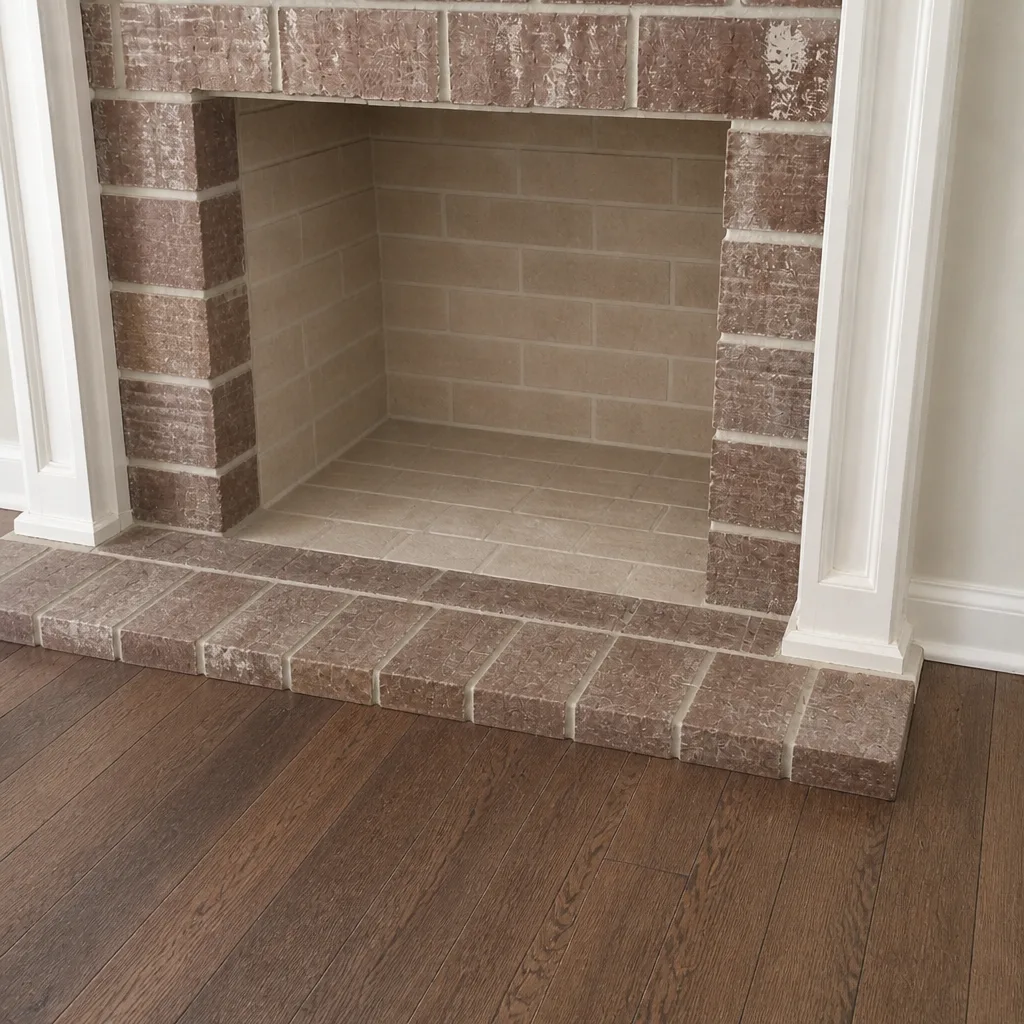
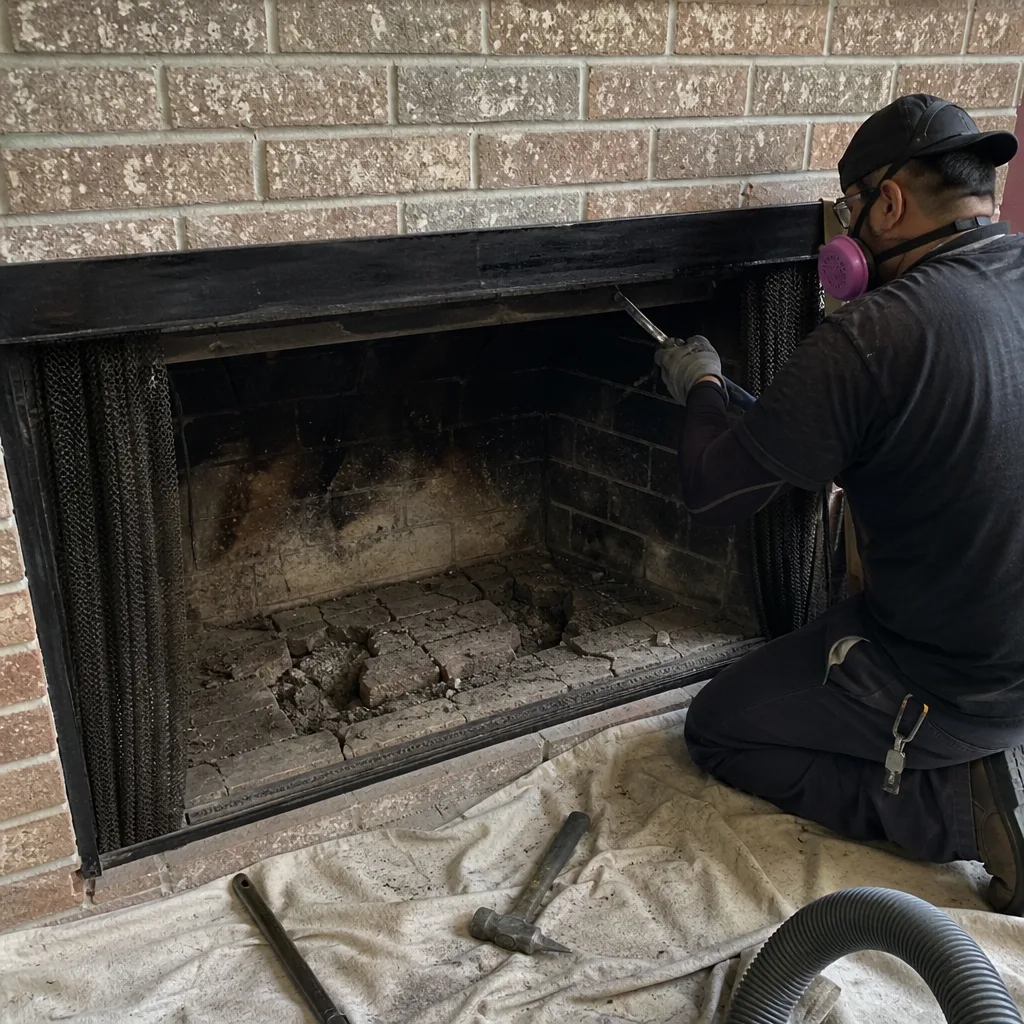
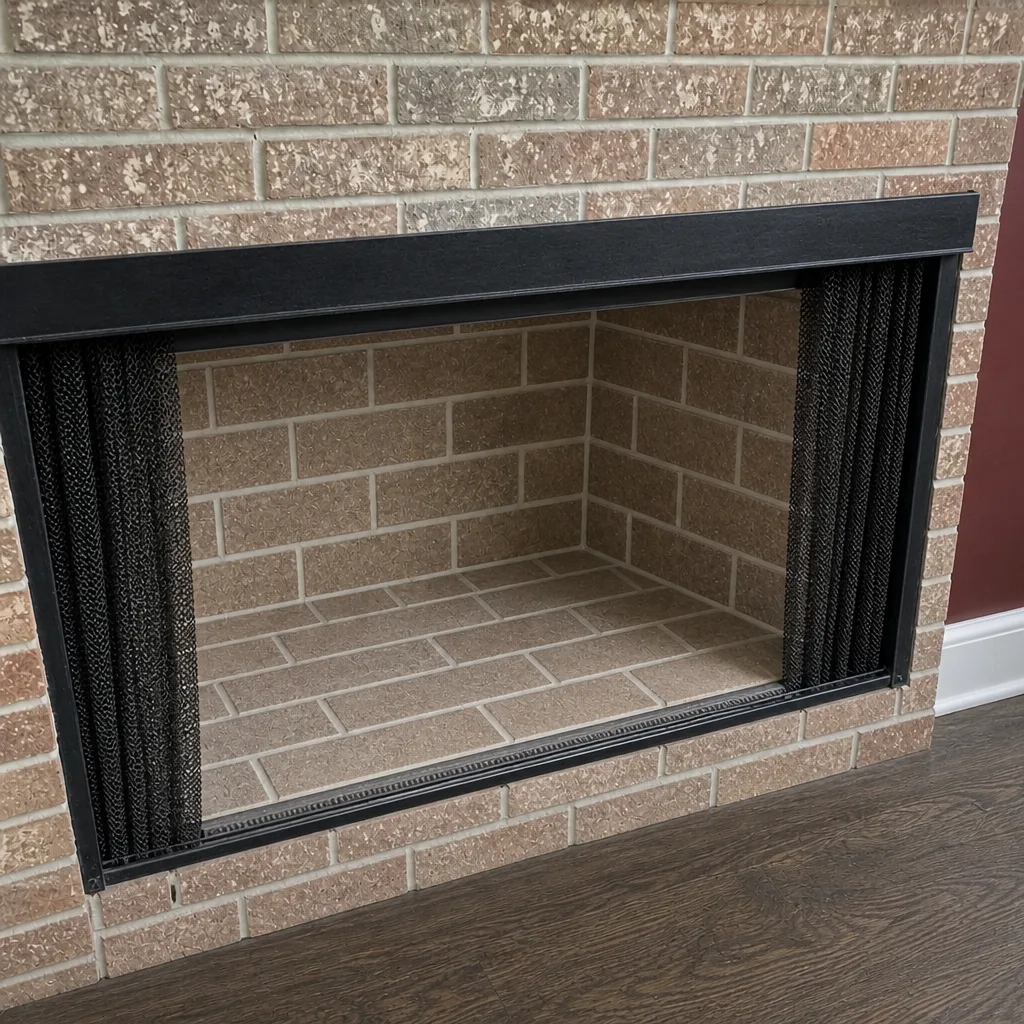
See the difference
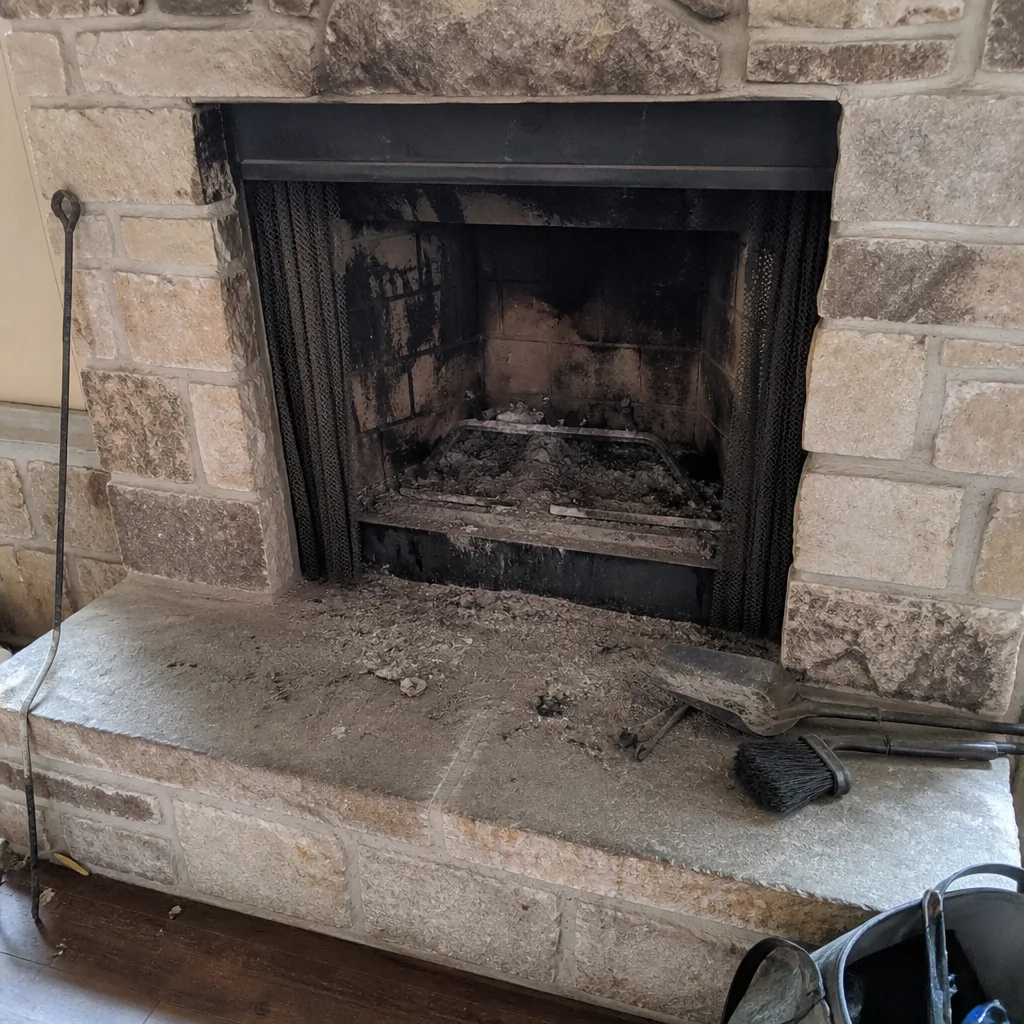 Before
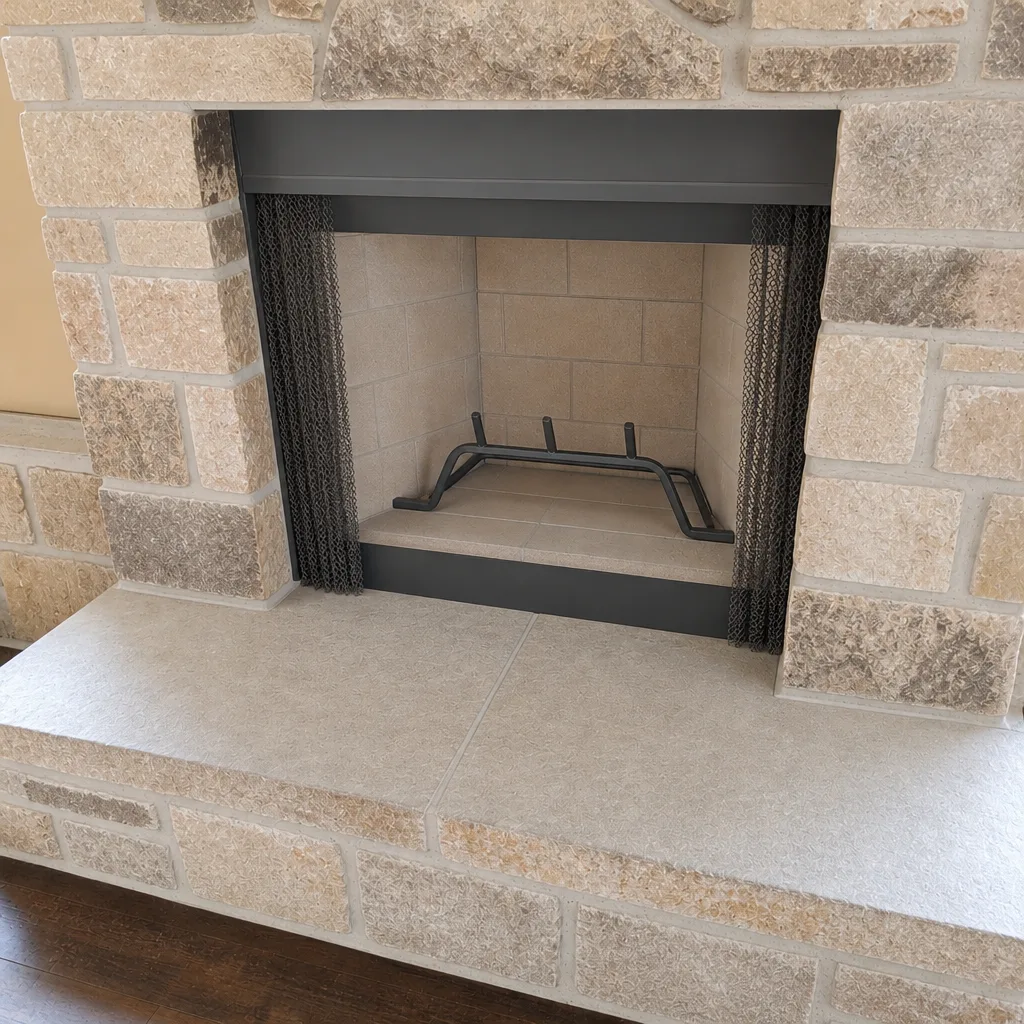 After
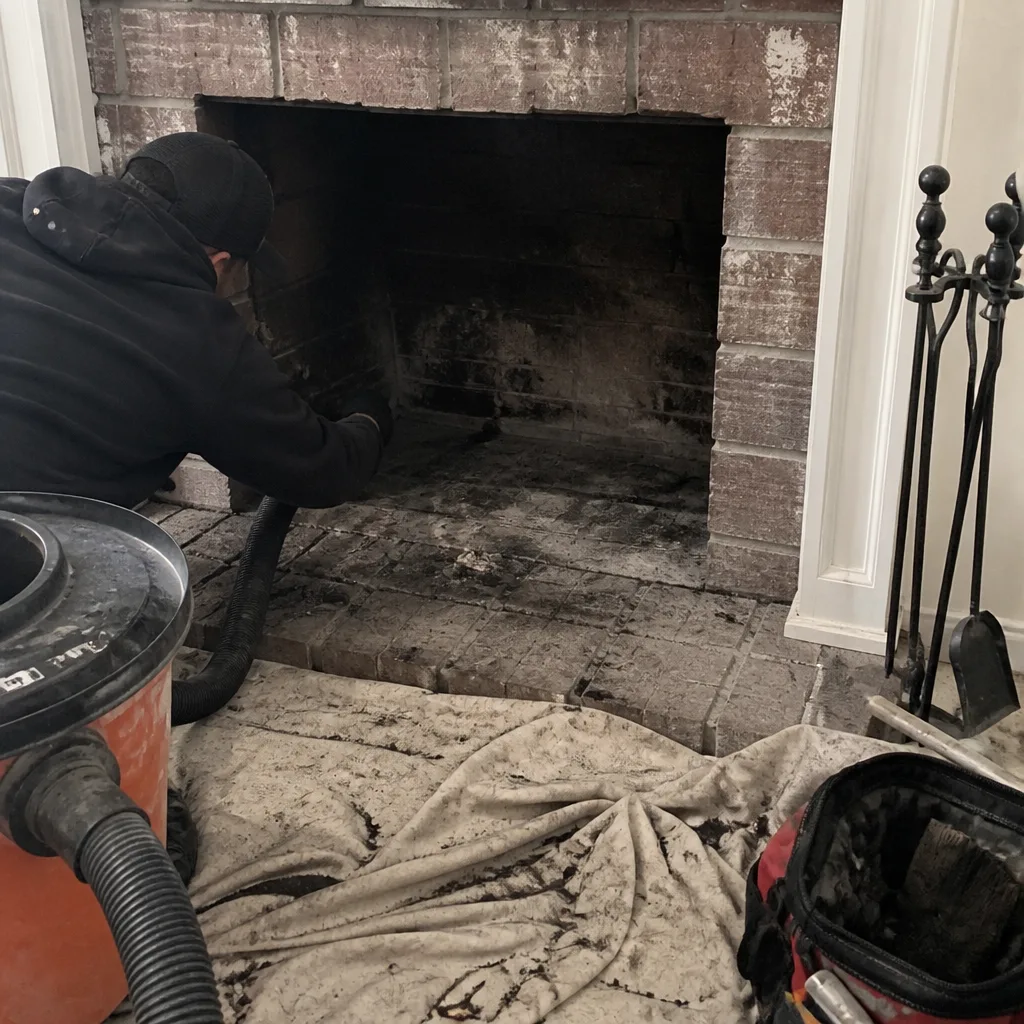 Before
 After
 Before
 After
When to Call a Professional
Some situations are clearly professional work, and the list is longer than most homeowners assume. Call a professional if it’s been more than a year since the last sweep, if you’ve just bought a home and don’t have a maintenance history, if you’ve noticed smoke backing into the room, if you’ve had a chimney fire (even a small one), if the cap is damaged or missing, if you’re switching fuels or adding a new insert, or if anyone in the home has been experiencing headaches, nausea, or other symptoms that could relate to carbon monoxide. Any of those is a reason to schedule an inspection now rather than wait for the season to start. Chimney Sweep Alief offers free estimates in Alief – call (855) 337-1823. We answer 24/7, and fast dispatch runs from 7am to 7pm, Sunday through Friday.
Frequently Asked Questions
You can safely remove light ash, do exterior visual checks, and keep the firebox area clear. Full flue cleaning plus the inspection that follows is professional work because it requires a camera, proper containment, and safe roof access – none of which a homeowner usually has. Call (855) 337-1823 if you’re not sure which category your chimney falls into – estimates are free.
Once a year for wood-burning fireplaces, or more often if you burn heavily. Alief’s mild winters mean the fireplace often sits idle for months, which lets creosote build up slowly and unnoticed between uses. Annual sweeping catches it before it becomes a problem. Call (855) 337-1823 to book your sweep before the season starts.
It can, because DIY cleaning leaves no documentation of maintenance or inspection. Insurance adjusters look for a paper trail showing the system was maintained and inspected, and professional visits provide that record in a way hardware store brush receipts don’t. Call (855) 337-1823 to start a documented maintenance history – the inspection itself is free to quote.
A sweep removes creosote and soot from the flue, while an inspection evaluates the system’s condition using a camera and other tools. They’re separate services, and doing one without the other misses half the job. Chimney Sweep Alief offers inspections as a standalone service so you can get an honest assessment before any repair work is discussed. Call (855) 337-1823 for a free estimate.
Yes, in most cases. A Level II inspection is the appropriate choice when you don’t have a maintenance history, and it’s the inspection that uses a camera to see the full flue. Many Alief homes are decades old and have undocumented chimney work, which makes a Level II the right starting point. Call (855) 337-1823 to schedule one – estimates are free.
Creosote accumulates in the flue and eventually reaches a stage where it can ignite, and undetected liner cracks can let carbon monoxide into the living space. Both risks build slowly and give no warning until something goes wrong. If it’s been more than a year, that’s the sign to book. Call (855) 337-1823 – we’ll give you an exact quote and the inspection will show you what’s actually going on.
The Bottom Line
DIY chimney work in Alief is safe when it stays in its lane: ash removal, visual checks from the ground, keeping the hearth clear, and scheduling the annual visit. Everything past that – the full flue cleaning, the camera inspection, the cap and crown work, the liner assessment – belongs to a professional. Not because homeowners can’t hold a brush, but because the value of the professional visit lives in the inspection and documentation that follow the cleaning. Cleaning without inspecting is the mistake the tutorials never mention. If your chimney hasn’t been inspected this year, or you’ve never had a documented inspection at all, the next step is a professional visit. Our technicians have up to 9 years of experience, we use the materials chimney professionals trust, including HeatShield, DuraFlex, Olympia Chimney, and Gelco, and we handle cleaning, inspection, cap and crown work, fireplace repair, and chimney repair as one service. Call (855) 337-1823 for a free estimate. We answer 24/7, with fast dispatch from 7am to 7pm, Sunday through Friday. You can also start with Chimney Sweep Alief if you’d rather read more about what each visit involves.
Written by the team at Chimney Sweep Alief.