
Last updated November 24, 2026
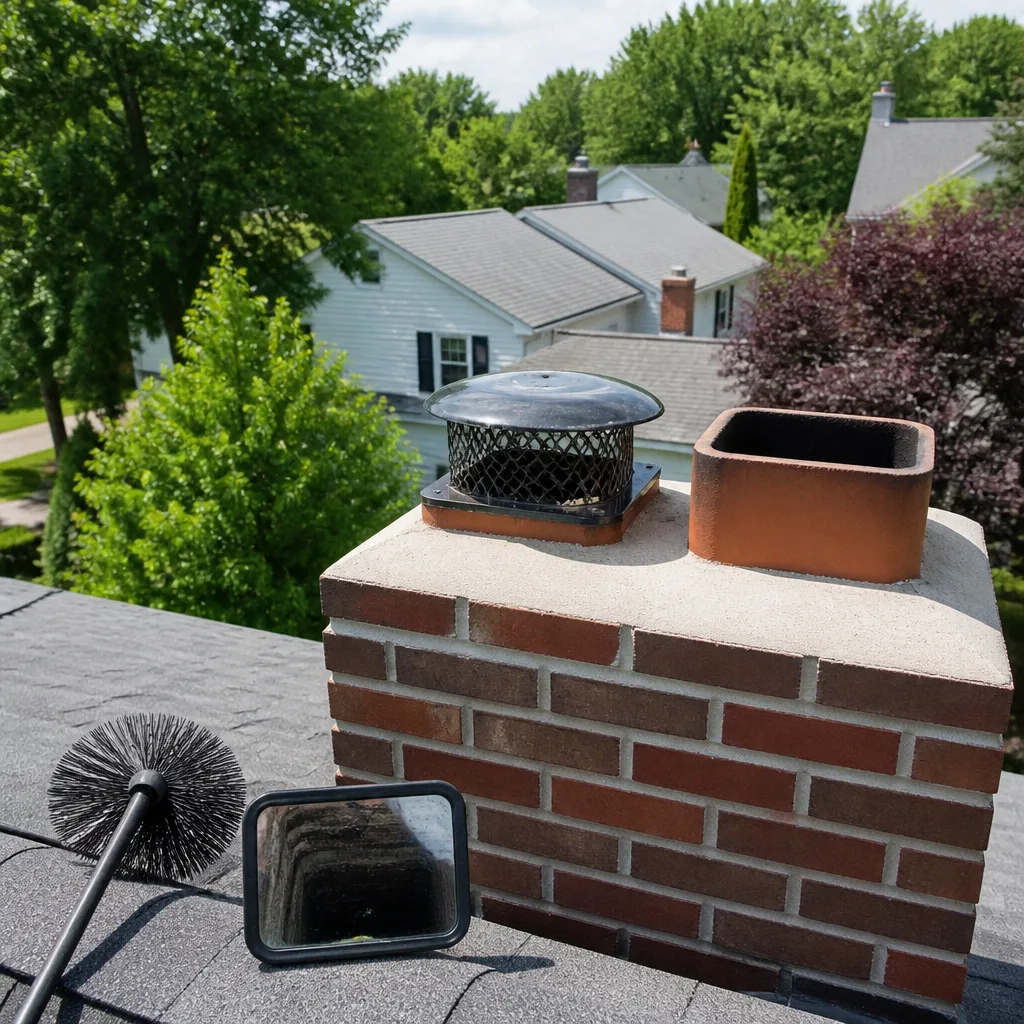 Sweep & inspection
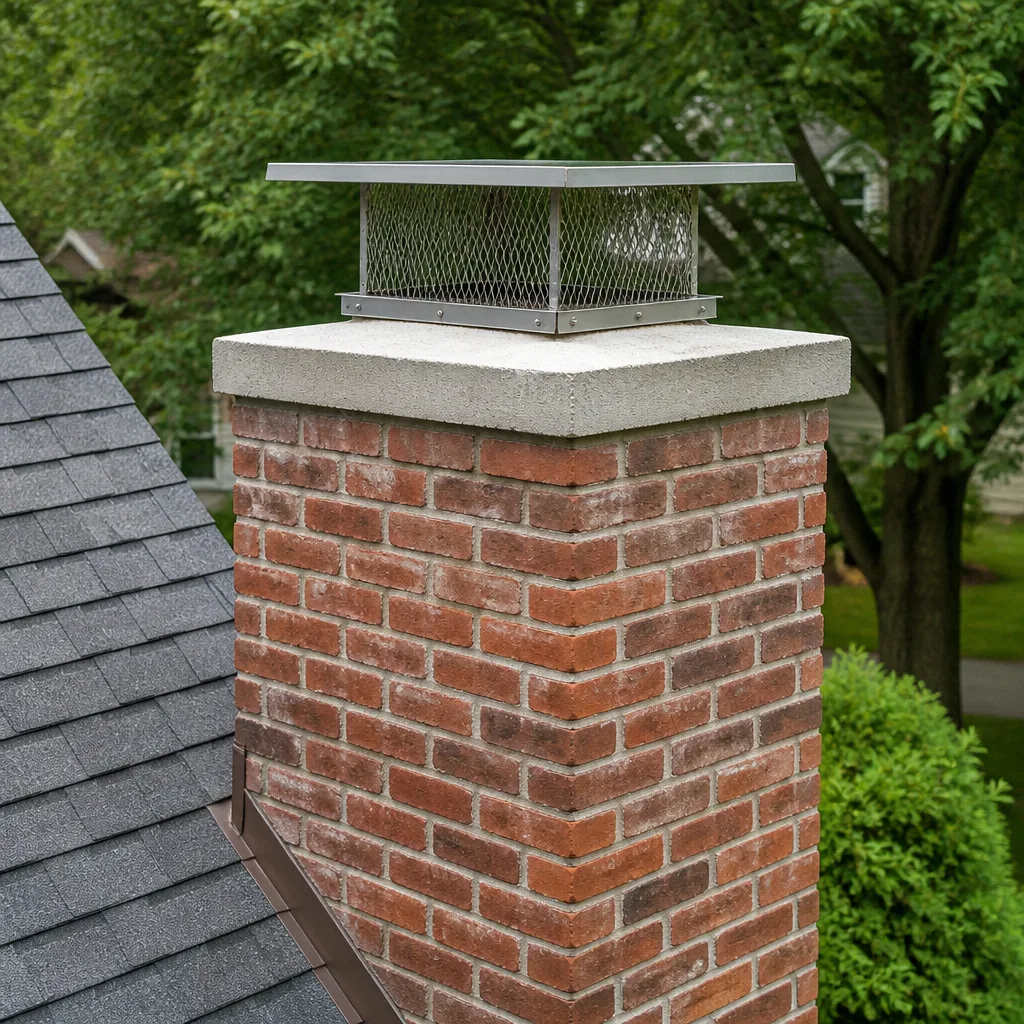 Caps & crowns
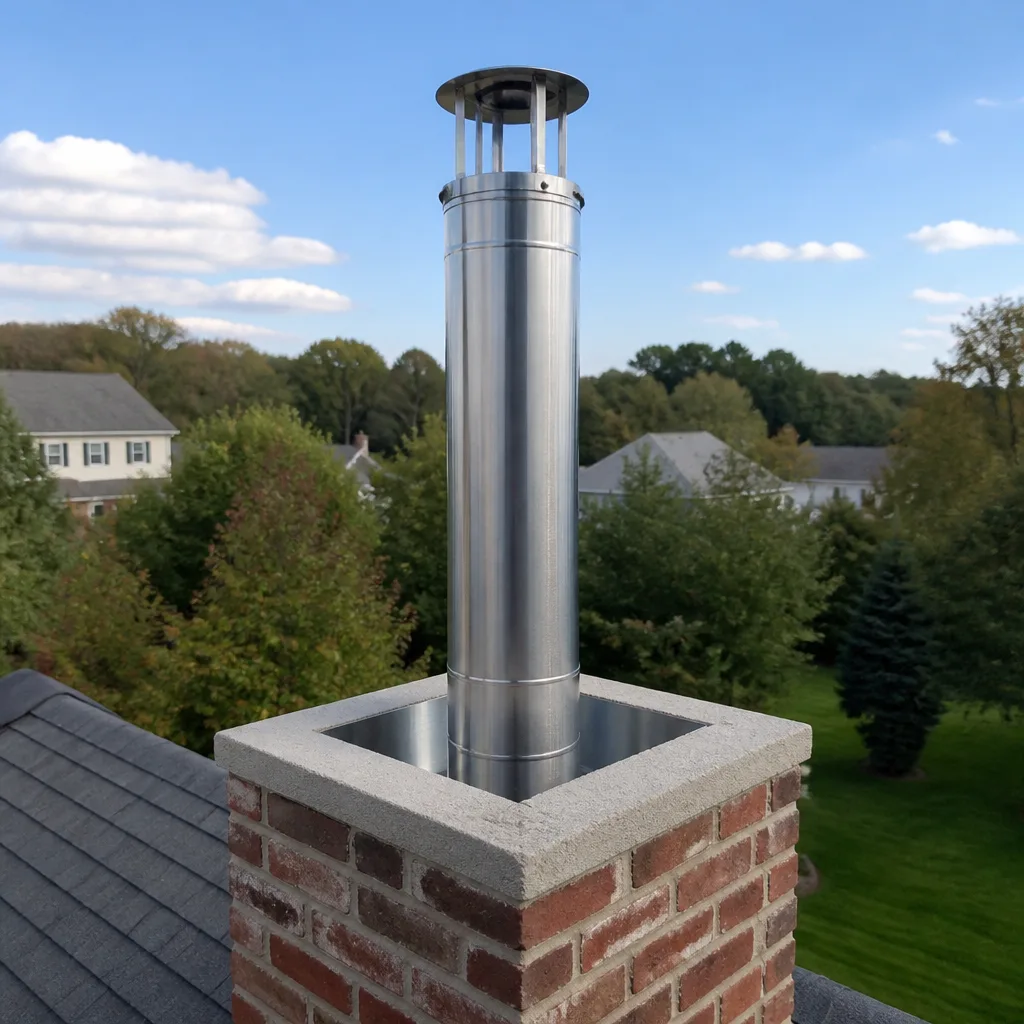 Flue relining
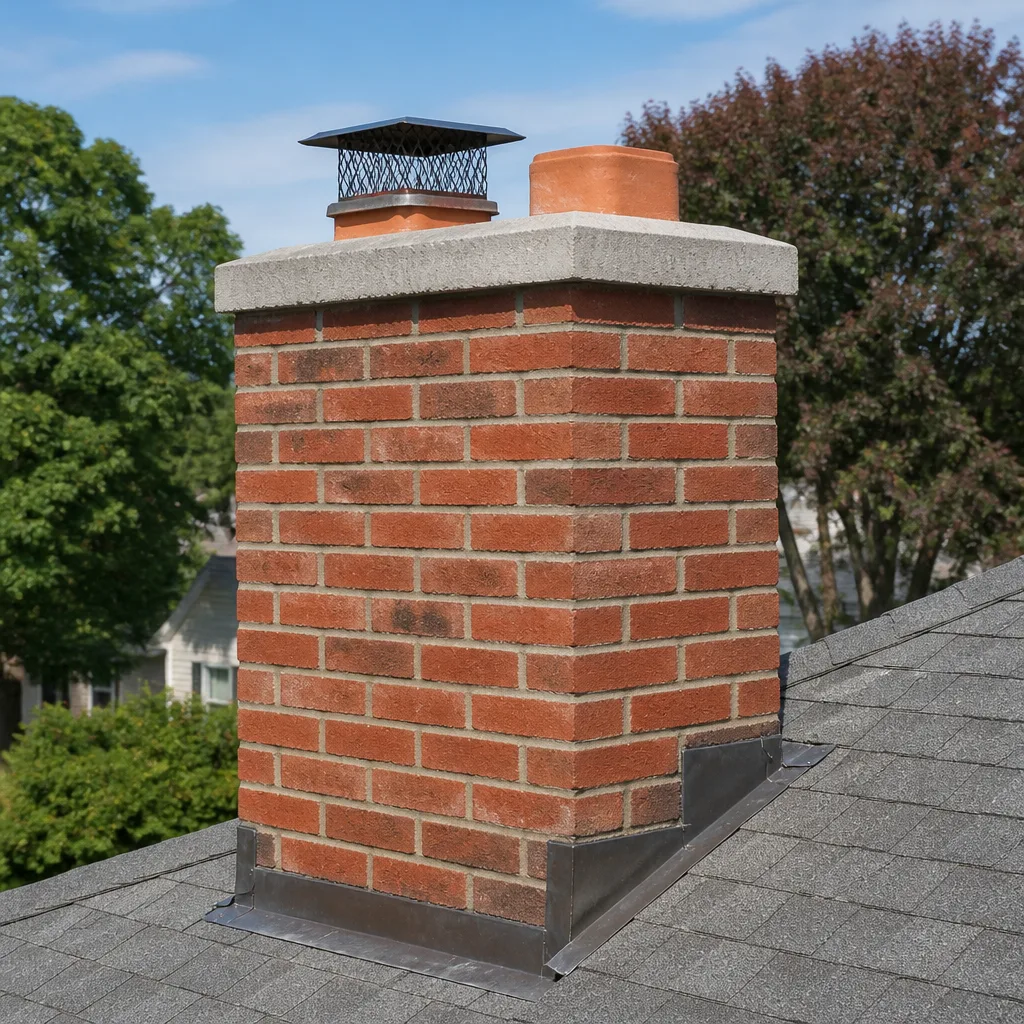 Masonry repair
 Gas fireplace service
Level 1 sweep and inspection to the NFPA 211 annual standard - flue, crown, cap, and flashing checked and photographed
Chimney sweep logs do not sweep chimneys. They loosen some creosote - which then falls where a brush and vacuum still have to collect it.
Chimney Cleaning Warning Signs: An Alief Homeowner’s Reference Guide
Here is a fact that surprises a lot of Alief homeowners: the most important chimney warning signs don’t show up during a fire. They show up when nothing is burning at all. A strong smoky smell inside the house on a rainy afternoon, a faint musty odor in the living room, a chalky white stain on the brick outside, or a puff of soot near the firebox that appears from nowhere. All of these are your chimney telling you something before it becomes an emergency. This guide teaches you to read those signals accurately, to tell a cleaning problem from a structural one, and to know which signs mean “book your next sweep” versus “deal with this now.” No alarm, no upsell, just what the signals mean.
Quick Answer
A chimney needs cleaning when you notice one or more of these: a strong smoky, musty or sulfuric smell inside the house when there’s no fire burning, visible soot or creosote buildup more than a thin film inside the firebox or flue, dark staining or crumbling mortar on the firebox walls or chimney exterior, a draft that reverses and pushes smoke back into the room, or it’s been more than a year since the last sweep. Signs that point to a cleaning problem can usually wait for your next scheduled sweep; signs that point to a structural problem – like spalling brick, a cracked crown, or visible staining from water intrusion – should get same-week attention.
Styles & brands we work with
- Sweep & inspection
- Caps & crowns
- Flue relining
- Masonry repair
- Gas fireplace service
Table of Contents
- The Smell Signals: What Each Odor Tells You
- Visual Signs Inside Your Firebox You Can Check Yourself
- Exterior Signs Visible From Ground Level in Alief
- Cleaning Problems vs. Structural Problems
- When the Chimney Drafts Backward
- Same-Week Attention vs. Next Sweep
- Why Alief’s Humidity Accelerates Certain Problems
- Your Annual Self-Check Routine
The Smell Signals: What Each Odor Tells You
Smell is your chimney’s most underrated warning signal, and in this climate it’s often the first one a homeowner notices. During a heavy rain, a strong smoky smell inside the house with no fire burning is a classic sign of a draft reversal problem or a missing cap – the chimney is acting like a downward flue, pulling air and odors from outside into the living room. Most homeowners in Alief assume it’s a neighbor burning or a passing smell. It’s usually neither. Odor profiles are specific, and each one points to a different problem.
- Smoky smell with no fire burning: a draft reversal or a missing or damaged chimney cap & crown. Air is coming down the flue instead of going up.
- Musty or damp smell: moisture is entering the flue, usually through a failed crown, cracked cap or mortar joint. The chimney smells like a wet basement because it is acting like one.
- Sulfuric or rotten-egg smell: burned creosote or animal debris decomposing in the flue. Both call for a sweep and a look with a camera before anything else.
- Chemical or acrid smell on first fire of the season: dust and light creosote burning off. Often a sign the flue needs a sweep before regular use.
In our experience, the musty smell is the one homeowners most often dismiss, and it’s the one that overlaps with a structural problem – moisture intrusion – rather than a simple cleaning issue. A smoky smell with no fire is different: it’s a draft or cap problem, and it can usually wait until the next sweep to address. If you want that draft problem solved properly and permanently, our Chimney Sweep Alief team handles sweeps, cap and crown work, and inspections under one roof, so you don’t have to call a second contractor to fix what the first one found.
Visual Signs Inside Your Firebox You Can Check Yourself
You don’t need special tools to assess most of your own firebox. Open the damper, look at the firebox walls, and look up into the flue as far as your eyes will carry. You’re not looking for what needs cleaning; you’re looking for what needs a professional eye. Here’s what to check and what each pattern tells you.
- Soot thickness: a light film of soot is normal between sweeps. A thick black or glossy, tar-like coating – especially on the firebox walls – is creosote, and creosote is what makes a chimney sweep a same-year priority rather than a “next time” one.
- Staining on the firebox walls: brown or dark staining that looks like someone spilled tea on the brick is a sign of moisture working through the masonry. Harsh white staining inside is efflorescence – dissolved salts drawn to the surface – which also points to water.
- Spalling: brick faces flaking, peeling or popping off the firebox and the area just above it. This is masonry reacting to moisture, not just wear, and it’s one of the clearest signs you have a structural issue rather than a cleaning issue.
- Mortar joints: crumbling, receding or sandy mortar between the firebox bricks. If you can scrape it out with a fingernail, it’s failing, and it needs a professional look before the firebox is used heavily again.
- Damper operation: the damper should open smoothly and sit closed with only a thin gap. A sticking, warped or rusty damper often points to moisture and heat damage at the throat of the firebox.
What you should not do is reach tools up into the flue or try to scrape creosote yourself. Creosote removal is one of the dirtiest, most awkward jobs in the trade, and a chimney fire risk makes a DIY sweep far more dangerous than it looks. If your self-check turns up any of the signs above, that’s your cue to book a professional inspection rather than experiment.
Exterior Signs Visible From Ground Level in Alief
Walk out to the side of the house and look up. You don’t need to climb a ladder to spot most of the exterior warning signs – and in Alief, several of them are directly tied to the region’s humidity. That’s what makes the exterior check so useful: the same weather that keeps lawns green and afternoons muggy also stresses the masonry of every chimney in the neighborhood.
- Efflorescence: a white, chalky bloom on the outside brick, usually most visible near the chimney cap or mid-stack. It’s a symptom of moisture moving through the brick and drying on the surface – an early sign of a failing cap, crown or mortar joint.
- Mortar wash deterioration on the crown: the concrete crown on top of the chimney is supposed to shed water away from the flue. If it’s cracked, chipped, crumbling at the edge, or sloping the wrong way, rainwater runs into the chimney instead of off it. This is one of the leading causes of water intrusion in Alief homes.
- Staining or streaks: dark vertical streaks down the outside of the chimney usually track a crack or a failed joint. You are literally seeing where the water is getting in.
- Missing or damaged cap: no cap, a loose cap, or a rusted screen at the top means rain, leaves, birds and small animals have direct access to your flue.
- Spalling brick on the stack: brick faces flaking off the upper chimney, often where a bad crown has let water in for a season or two.
- Vegetation or bird activity near the top: nests, chirping and daytime traffic around the crown are a sign the flue is open to wildlife, which is a cleaning and safety problem.
- Tilted or separated chimney: the whole stack leaning slightly or separating from the house is rare but serious, and it always calls for a professional inspection.
The cap and crown are the two things worth prioritizing on the exterior, because they are the two most common entry points for water. Installing or repairing a proper cap and crown is straightforward, and it’s the kind of preventive work that saves you the interior repairs that follow. From annual sweep to full liner repair, one call handles it.
Cleaning Problems vs. Structural Problems
This is the distinction that changes how fast you need to act. A cleaning problem is dirt, soot, creosote or debris in the flue. A structural problem is damage to the masonry, crown, cap, liner or flue itself. They can feel similar to a homeowner, and they can produce the same smell or stain – but they require different responses and different timelines. Getting this wrong in either direction is how an honest chimney visit turns into either a thousand dollars of unnecessary work or a preventable chimney fire.
| Sign | Usually a cleaning problem | Usually a structural problem |
|---|---|---|
| Smoky smell with no fire | Sometimes (creosote odor) | Draft reversal, missing cap |
| Musty or damp smell | Rarely | Water intrusion from crown, cap or flashing |
| Thick black or glossy coating | Yes – creosote | No |
| Spalling brick or peeling faces | No | Yes – masonry damage |
| Crumbling mortar joints | No | Yes – needs repair or repointing |
| Efflorescence on exterior brick | No | Usually – moisture entering the stack |
| Cracked or crumbling crown | No | Yes – leading cause of water intrusion |
| Bird or animal debris in flue | Yes – sweep and cap | Sometimes – cap damage allows entry |
If the sign points at cleaning, a standard sweep handles it. If it points at structure, a proper inspection comes first, and the camera shows you exactly what’s there before anyone recommends work. That’s why we offer inspections as a standalone service – you can get an honest assessment before you commit to any additional scope, and you can ask us to show you what the camera saw on your own chimney. For problems inside the fireplace itself, our fireplace repair service covers everything from dampers to firebox masonry that needs rebuilding, using materials that match the grade of the surrounding masonry.
When the Chimney Drafts Backward
Draft reversal is the one warning sign that most often gets misread, and it’s worth understanding on its own. A chimney drafts by pulling air up and out of the house. When that flow reverses – usually because of a capped or blocked flue, a missing cap letting outside air pressure win, or a fire that hasn’t warmed the flue enough – smoke and outside air push back down into the room. The result is a smoky smell inside the house when nothing is burning, or smoke puffing into the living room when you light a fire.
There are several common causes of a reversed draft in an Alief home:
- Missing or damaged cap: the cap stabilizes pressure at the top and keeps weather out. Without it, wind and rain can win the pressure battle.
- Cold flue on first fire: a flue that hasn’t warmed yet can briefly reverse before drawing normally. If it clears within a few minutes, it’s usually not a warning sign; if it persists, it is.
- Blocked flue: a nest, debris or heavy creosote buildup can choke the flue and force smoke back down.
- House stack effect: running a bath fan or a kitchen exhaust can pull air down the chimney if the house is tight, particularly on a damp, still day.
- Flue too large or too small for the firebox: a mismatch that only a proper inspection will reveal.
If a reversed draft happens every time you light a fire, or whenever it rains, book an inspection. A missing or damaged cap is one of the easiest things to fix and one of the most common causes of the smoky smell Alief homeowners call us about. A blocked flue is more serious and needs to be cleared before the fireplace is used again.
Same-Week Attention vs. Next Sweep
Here’s the honest answer to the question most homeowners quietly ask: not every warning sign needs to be dealt with immediately. Some are genuinely urgent, some can wait until your next scheduled cleaning, and some are simply part of normal chimney use. Sorting them honestly is what we mean by an honest inspection before any repair recommendation.
Book same-week attention for:
- A musty or damp smell combined with any interior or exterior staining – this usually means active moisture intrusion, and the longer it runs, the more masonry it damages.
- Any spalling brick, crumbling mortar or cracked crown you can see.
- A reversed draft that happens every time you use the fireplace.
- A strong residual smoky smell inside the house with no fire burning, especially after rain.
- Visible animal or bird debris in the flue or nesting activity on the chimney.
- A chimney fire, even a small one you put out yourself – the flue always needs inspection afterward.
Can wait for your next scheduled sweep:
- A light soot film in the firebox, without a thick or glossy coating.
- Seasonal dust burning off on the first fire of the year.
- A small smoky smell that only appears when the wind is strong and the fire is still warming up.
- Efflorescence on the exterior brick without any other sign of water inside.
If you’re unsure which side your sign falls on, that’s the whole point of an inspection. Our technicians have up to 9 years of experience sorting cleaning problems from structural problems, and if the honest answer is “this can wait until the fall sweep,” that’s what you’ll hear. A proper chimney sweep comes with a camera check, so the recommendation is based on what’s actually in your flue, not on what the last contractor guessed.
Why Alief’s Humidity Accelerates Certain Problems
The Gulf-coast humidity that hangs over Alief for much of the year does something specific to masonry: it keeps brick and mortar wet longer after every rain. That’s the single biggest reason exterior signs matter more here than they might in a drier climate. When the crown is intact and the cap is doing its job, the brick dries out and life goes on. When either one has failed, water sits in the stack, and the warning signs show up faster than they would in a drier region.
What that means for you as a homeowner:
- Efflorescence appears more readily: you may see the white bloom after one wet season rather than after several dry years, which actually makes it easier to catch early.
- Mortar joints soften faster: damp mortar crumbles sooner. If you can scrape a joint with a fingernail, it’s already failing in this climate.
- Musty smells are more common: a wet flue smells like a wet basement. In Alief, that musty odor is one of the most reliable early warnings you have.
- Rust on the damper appears earlier: rust is a moisture signal, and moisture is the thing to watch.
None of this means every Alief chimney is falling apart. Most of the homes we inspect have a solid, serviceable chimney. But it does mean the moisture-related warning signs – staining, efflorescence, spalling, musty smell – are the ones to watch for, and they’re worth acting on before they get expensive. A cap and crown that shed water properly takes most of the pressure off the brick and mortar underneath.
Your Annual Self-Check Routine
Five minutes with a flashlight and a walk around the house catches most of the warning signs in this guide. Do a self-check once a year, ideally in late summer before the burning season starts, so any repair you need gets done before the first fire. Here’s the sequence.
- Smell test: with no fire burning, stand in front of the fireplace and take a good sniff. Smoky, musty, sulfuric or chemical? Each carries a different meaning (see the smell section above).
- Open the damper and look up: use a flashlight and look up the flue as far as you can see. Note thick coatings, staining, or anything dangling.
- Inspect the firebox walls: look for dark staining, white chalky bloom, flaking brick faces or crumbling mortar between bricks.
- Check the damper: open and close it several times. Any sticking, warping or rust is worth noting.
- Walk outside and look up at the chimney: check the cap, crown, mortar joints and brick for the exterior signs listed earlier. Use binoculars if you have them.
- Note the last sweep date: if it’s been more than a year, or you don’t know, that’s your sign.
- Listen: birds or scratching around the flue top can mean nesting activity.
Write down what you find and what you’re unsure about. When the technician arrives, that list makes the visit far more productive: you get specific answers to specific questions, and nothing gets sold to you as a surprise. If the report comes back clean, you’ve confirmed a safe chimney for another season. If it turns up a repair, you have a camera-inspection record you can see for yourself, and you have the freedom to schedule the work on your own timeline when it’s a genuine cleaning problem and not an emergency.
Common Mistakes to Avoid
- Assuming the smoky smell in heavy rain is a neighbor’s fire. In Alief’s humid climate, a smoky smell inside with no fire burning is far more often a draft reversal or a missing cap than it is a neighbor’s chimney. Have it looked at before the next burning season.
- Confusing mustiness with “old house smell.” A musty odor near the fireplace almost always means moisture in the flue. Dismissing it lets a small crown or cap leak turn into a mortar repair.
- Treating every sign as urgent. The reverse mistake. Some homeowners panic at a light soot film and over-pay for rushed work, when the honest answer is “schedule it with your next sweep.” Sorting urgency correctly saves money and stress.
- Skipping the cap because “we don’t mind the rain.” The rain isn’t the main problem – it’s the moisture that stays in the masonry. A missing cap is one of the most common warning signs and one of the cheapest to fix.
- Ignoring the exterior entirely. Efflorescence, mortar wash deterioration on the crown, and chalky staining are visible from the ground. Walking around the house once a year catches the signs no interior check will find.
- Booking a sweep and accepting an upsell without seeing the evidence. A camera inspection and photo report are the point. If a technician recommends a liner replacement without showing you what’s in the flue, you have every right to ask for the picture before you agree.
- Going more than a year between sweeps because “we hardly burn.” Even light use builds creosote and, in Alief, moisture works year-round. Annual sweeping is the baseline for any wood-burning fireplace.
See the difference
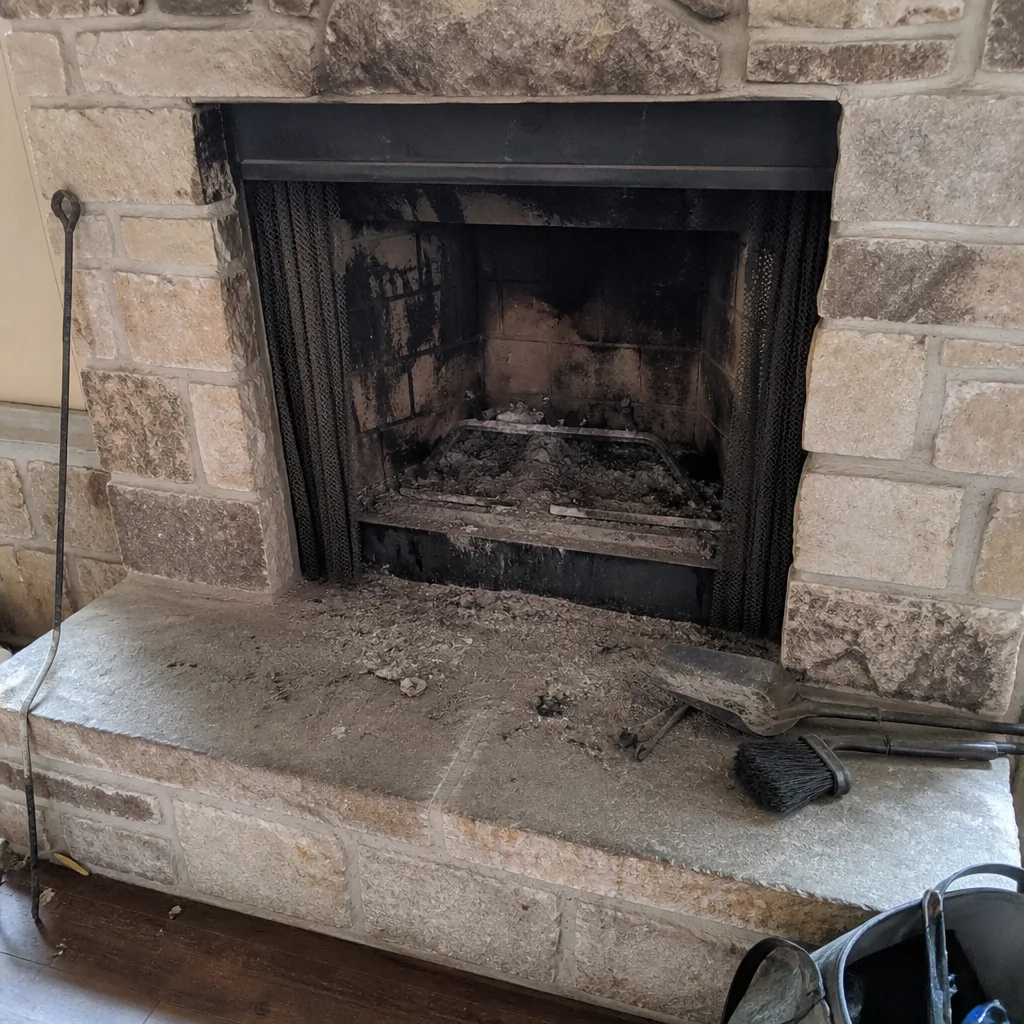 Before
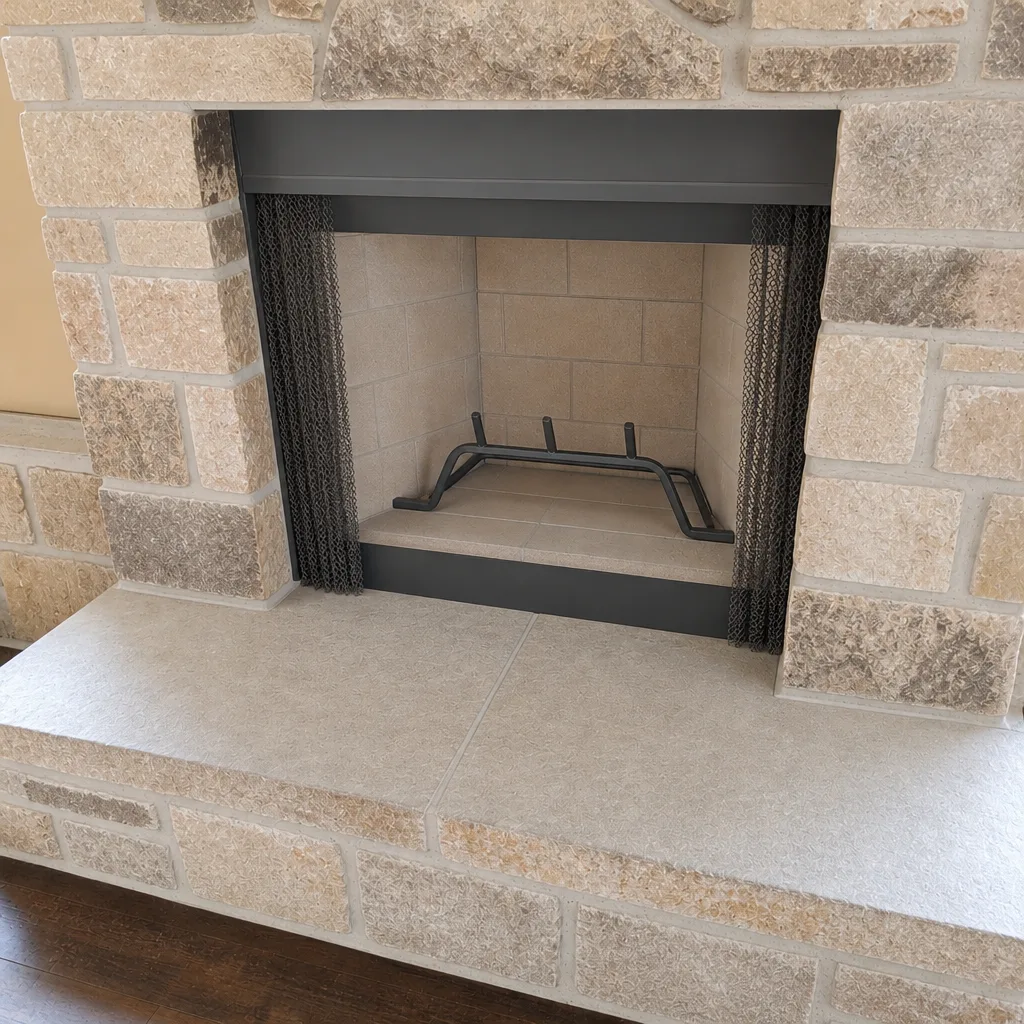 After
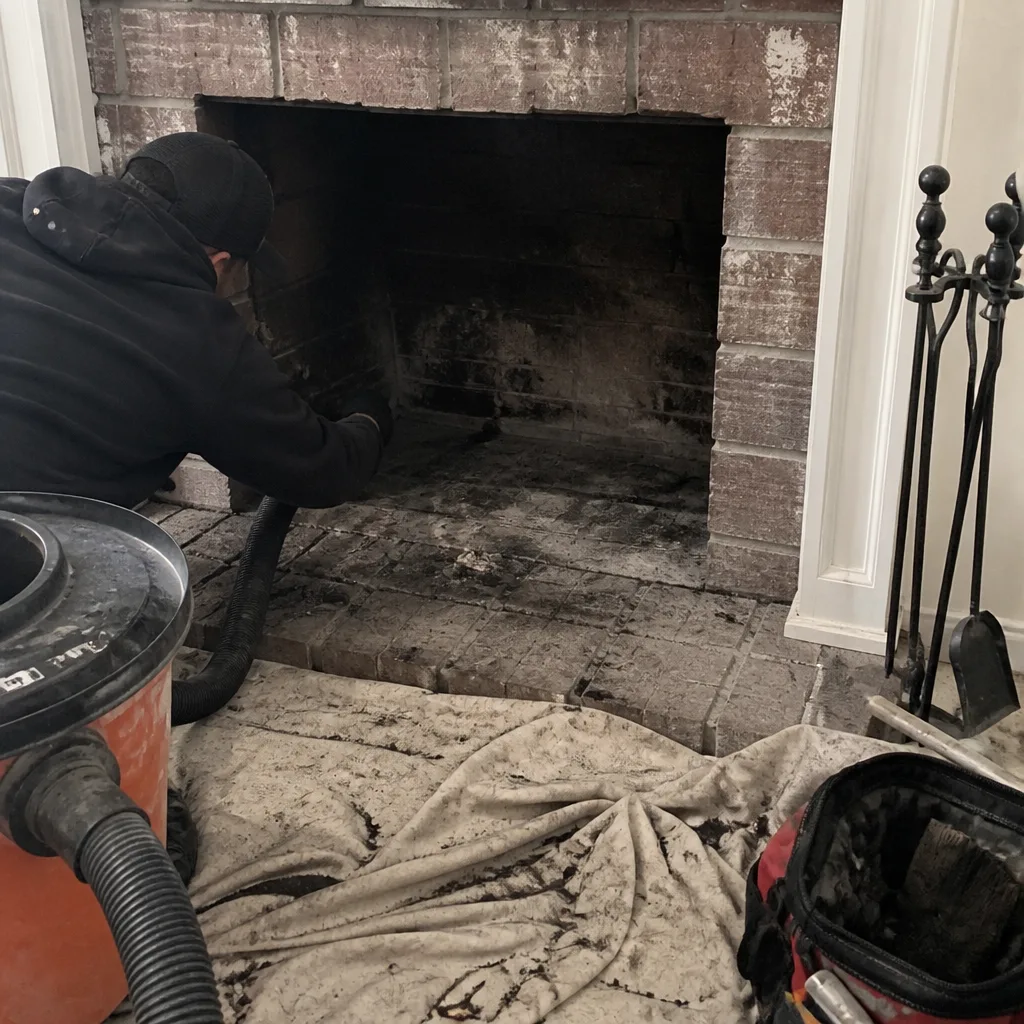 Before
 After
 Before
 After
When to Call a Professional
Call a professional if you notice any same-week sign from the urgency section above: a musty smell combined with staining, spalling brick, a cracked or crumbling crown, a reversed draft that happens on every fire, visible animal debris in the flue, or a smoky smell inside with no fire burning after rain. Call if it’s been more than a year since your last sweep, even if you see nothing wrong. And call if you’ve had a chimney fire, even a small one you put out yourself. Those are the moments when the difference between a cleaning problem and a structural problem needs a trained eye and a camera, not guesswork. Chimney Sweep Alief offers free estimates in Alief – call (855) 337-1823. We answer 24/7. Fast dispatch from 7am to 7pm, Sunday through Friday.
Frequently Asked Questions
The most common signs are a smoky, musty or sulfuric smell with no fire burning, a thick black or glossy creosote coating inside the firebox or flue, dark staining or crumbling mortar on the firebox walls, a reversed draft that pushes smoke back into the room, and more than a year since the last sweep. Any one of these is enough reason to book a sweep and inspection. Call (855) 337-1823 for a free estimate on a sweep in Alief.
A smoky smell inside during rain with no fire burning is usually a draft reversal or a missing or damaged cap letting outside air push down the flue. The cap is the first thing to check, and it’s one of the simplest repairs. If the smell persists after the cap is fixed, an inspection finds the cause. Call (855) 337-1823 to book an inspection in Alief.
A musty smell near the fireplace almost always means moisture is getting into the flue, most often through a failed crown, cracked cap or open mortar joint. In Alief’s humidity, moisture stays in the masonry longer, so the musty smell shows up early. It’s a structural sign, not a cleaning one, and it’s worth a same-week inspection. Call (855) 337-1823 for a free estimate.
You can do the annual self-check in this guide yourself, but a full sweep is a professional job. Creosote is a genuine fire risk, the flue is awkward to reach, and a DIY sweep is easy to get wrong or leave incomplete. A professional sweep comes with a camera inspection, so you see what’s actually in the flue. Call (855) 337-1823 to book a sweep in Alief.
Once a year, ideally before the burning season starts. Even if you burn only occasionally, creosote builds up and moisture works year-round in this climate. More frequent sweeps make sense if you burn daily or notice thick creosote buildup after a short season. Call (855) 337-1823 for a free estimate.
Skipped cleanings let creosote build up, and creosote is what fuels a chimney fire. They also let moisture problems go unaddressed, so a small crown or cap failure turns into a masonry repair. And small structural problems like spalling brick or crumbling mortar get worse over a season. A yearly sweep catches all of it before it becomes expensive. Call (855) 337-1823 to schedule.
The Bottom Line
Most chimney warning signs are visible or smellable by a homeowner long before they become emergencies. Smell is your first line of defense: smoky, musty and sulfuric odors each point to a different problem. Visual signs come next: what you can see inside the firebox, and what you can spot from the ground on the exterior, especially here in Alief’s humid climate. The most useful skill this guide teaches is sorting a cleaning problem from a structural one, because they need different responses and different timelines. An honest inspection with a camera is what separates a safety check from a sales call. Start with the annual self-check, and if anything on the list shows up, get it looked at. From annual sweep to full liner repair, one call handles it.
If your self-check turned up any of the warning signs in this guide, or you simply can’t remember your last sweep, book an inspection and get an honest answer from a specialist. Chimney Sweep Alief offers free estimates in Alief – call (855) 337-1823. We answer 24/7. Fast dispatch from 7am to 7pm, Sunday through Friday.
Written by the team at Chimney Sweep Alief.