
Last updated November 24, 2026
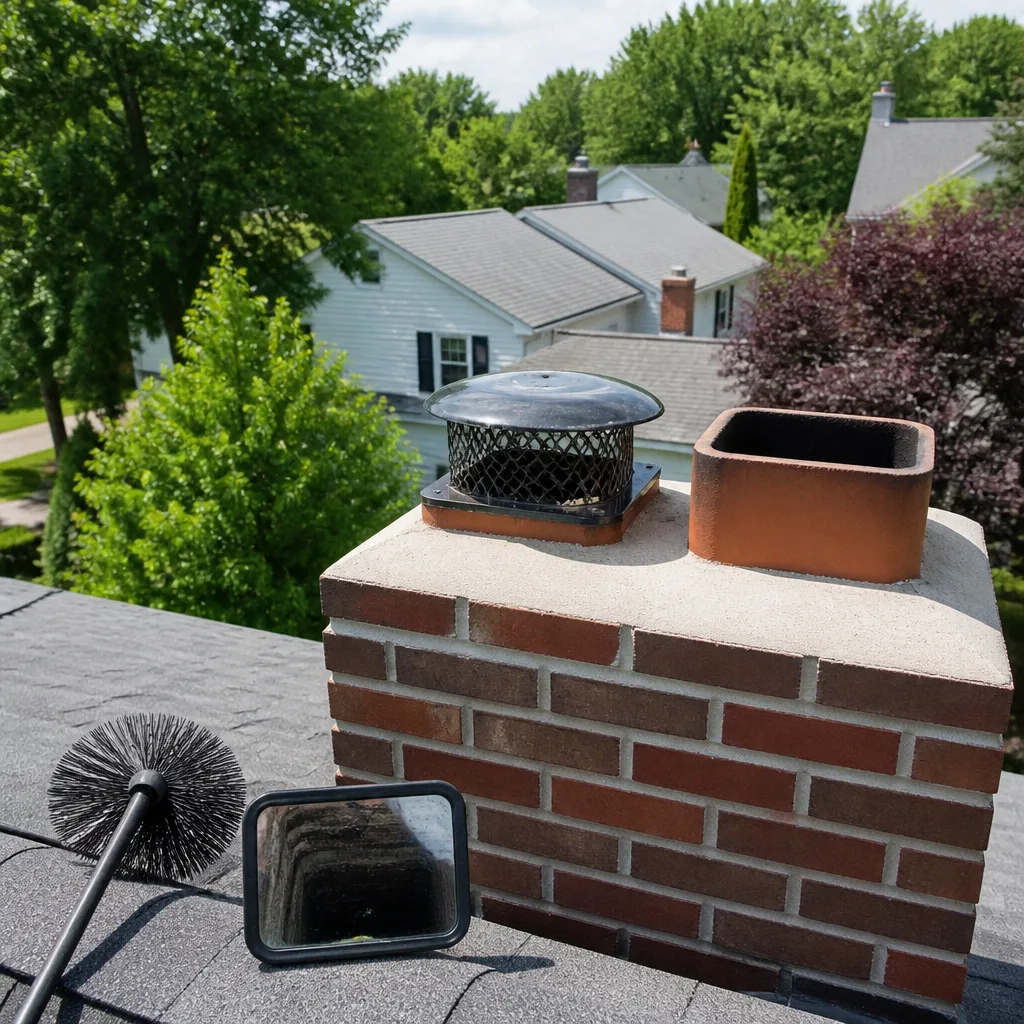 Sweep & inspection
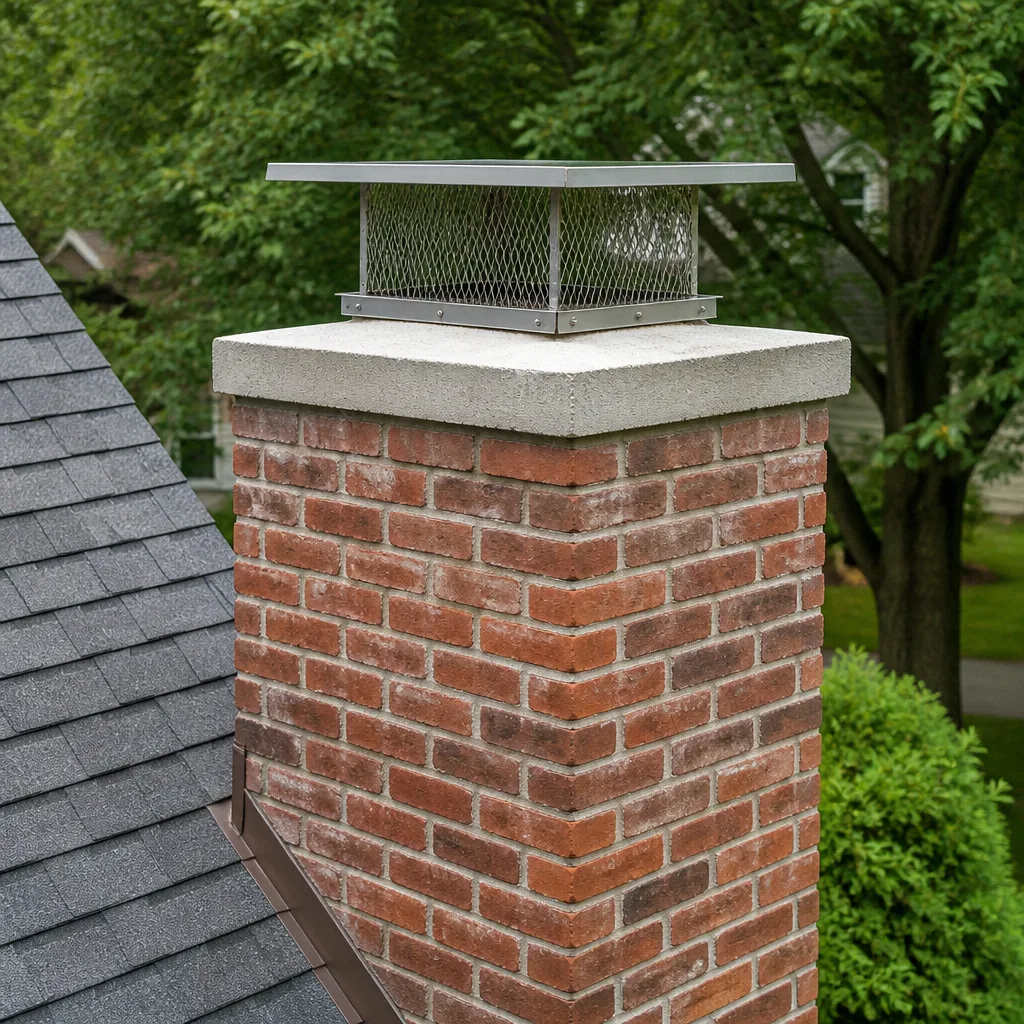 Caps & crowns
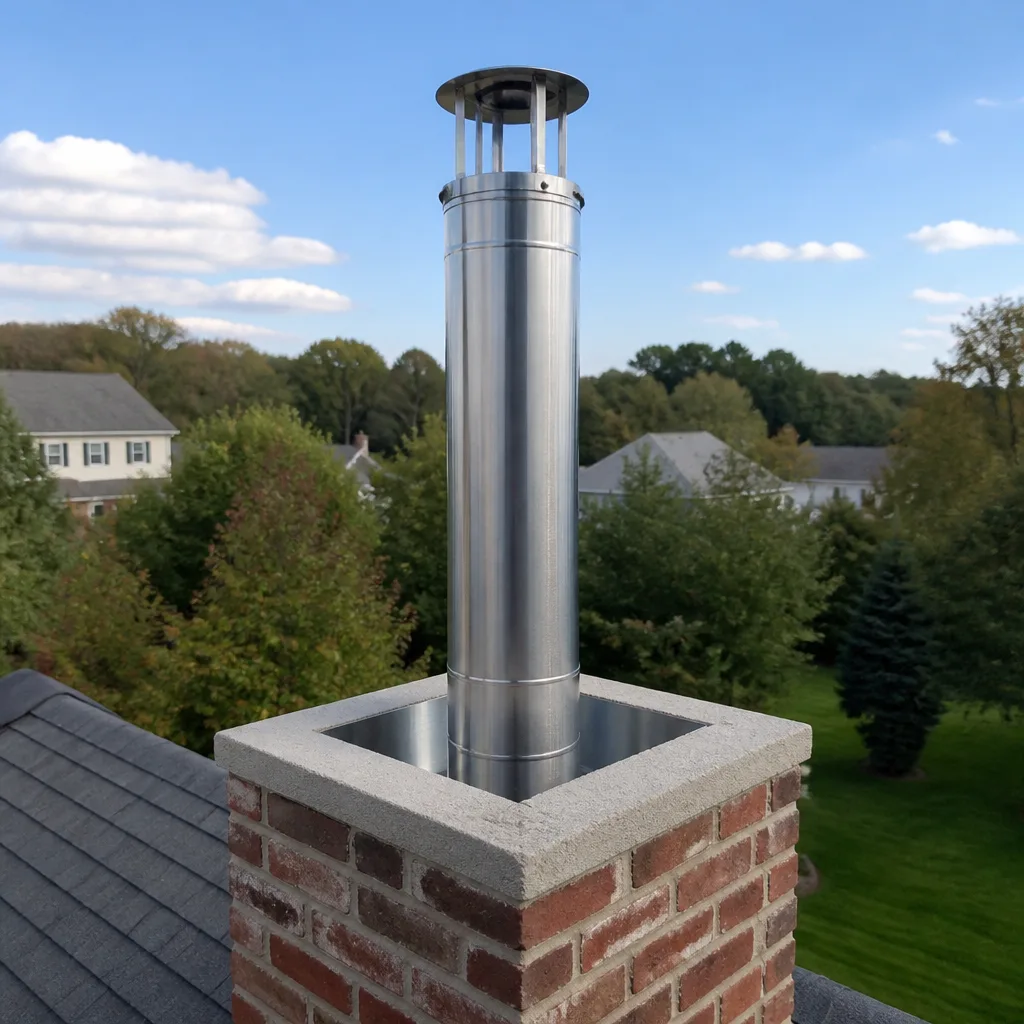 Flue relining
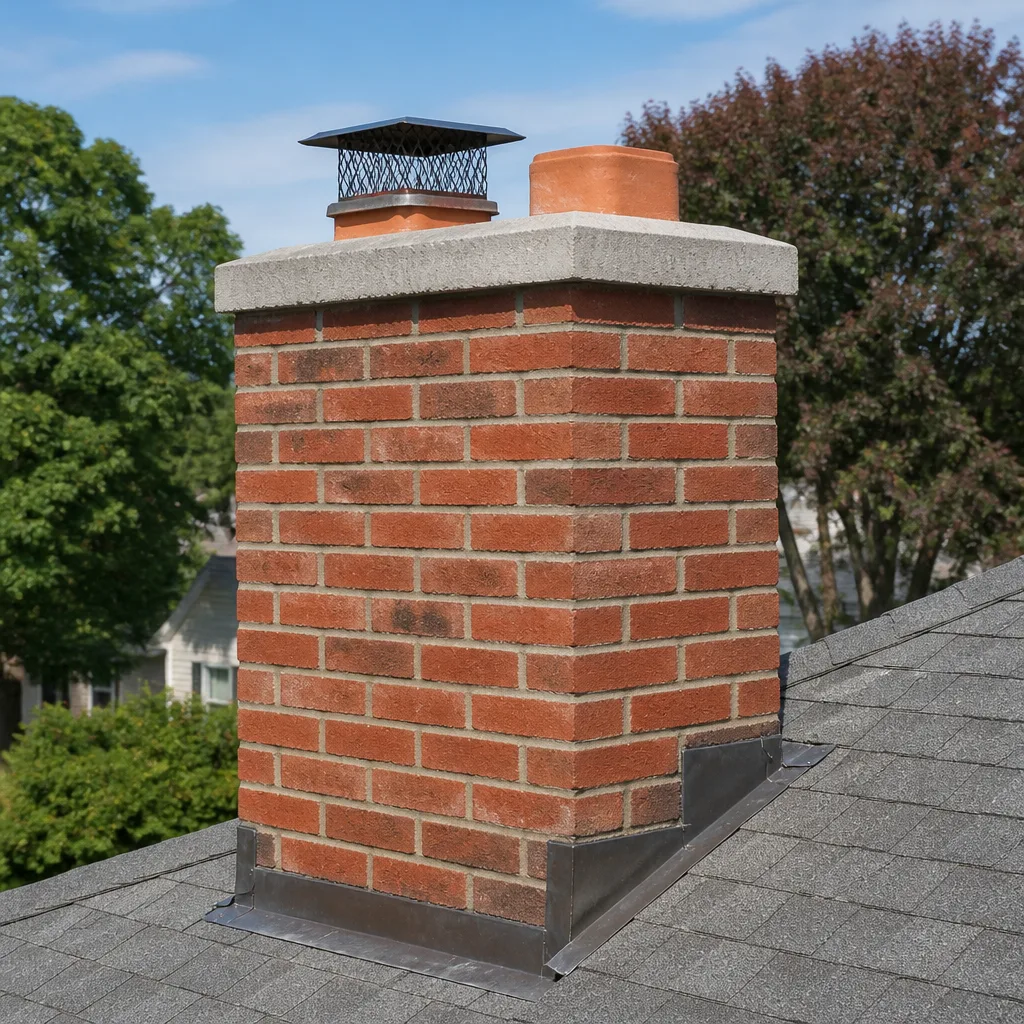 Masonry repair
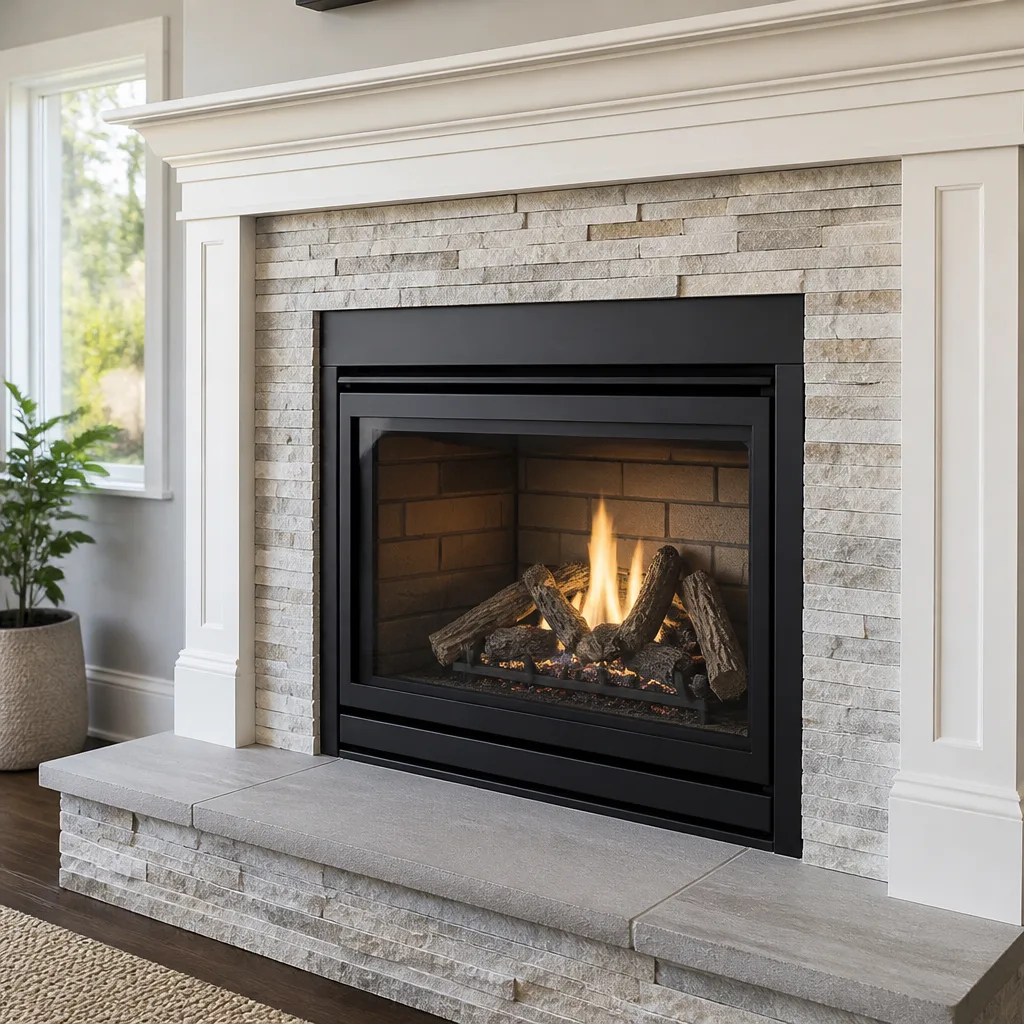 Gas fireplace service
Level 1 sweep and inspection to the NFPA 211 annual standard - flue, crown, cap, and flashing checked and photographed
Chimney sweep logs do not sweep chimneys. They loosen some creosote - which then falls where a brush and vacuum still have to collect it.
Choosing the Right Chimney Cleaning Brand: A Buyer’s Guide for Alief
Most homeowners judge a chimney company by the truck, the review, or the price on the phone. The real quality signal sits somewhere less visible: the materials inside the flue. When a chimney company says they use “professional-grade products,” that phrase means nothing without knowing whether they’re using UL-listed liner systems, manufacturer-approved sealants, and brushes sized to your actual flue dimensions. In Alief, where so many homes are rentals and resales carry thin documentation of past chimney work, that gap between what’s claimed and what’s installed is where problems hide. This guide walks you through the product categories that actually matter, the standards that separate real quality from marketing, and the exact questions to ask before you authorize a repair.
Quick Answer
The right chimney cleaning brand in Alief is one that uses UL-listed liner systems, flue-dimension-matched brushes, and manufacturer-approved crown sealants and waterproofing compounds – and can name those materials when you ask. Brand names alone don’t guarantee quality, but recognizable trade-trusted materials like DuraFlex, HeatShield, Gelco, Olympia Chimney, Famco, and Copperfield tell you the sweep is buying the same products certified chimney professionals across the country specify. Ask specific material questions, verify UL listings, and never approve liner or crown work based on a generic “professional-grade” claim.
Styles & brands we work with
- Sweep & inspection
- Caps & crowns
- Flue relining
- Masonry repair
- Gas fireplace service
Table of Contents
- The Four Product Categories That Actually Matter in Chimney Work
- What UL Listing Really Means for Liners and Caps
- Trade-Trusted Brands by Category, and Why Certified Sweeps Prefer Them
- Why Brush Sizing Is the Most Overlooked Quality Signal
- How Alief Humidity and Seasonal Use Affect Material Choices
- Questions to Ask Before Authorizing Any Repair or Restoration
- Why Uncertified Liner Materials Create Insurance and Resale Problems
- How to Judge Expected Lifespan by Material Type
The Four Product Categories That Actually Matter in Chimney Work
Chimney work uses a surprisingly narrow set of materials. When you know the categories, you can hold a real conversation with any sweep who shows up at your Alief home – and you can spot the ones who are guessing.
Brushes. The brush is the foundation of a sweep. A polypropylene brush suits stainless steel liners and many clay tiles; a wire brush is reserved for heavy creosote on masonry flues where the surface can take the abrasion. A brush that doesn’t match your flue material can score a liner or leave glaze behind. Sweeps should arrive with a range of sizes and know which one fits your flue before they start.
Sealants and crown compounds. The crown – the concrete or mortar cap at the top of the masonry chimney – fails first because it takes direct sun, rain, and temperature swings. Repair compounds designed for crowns are flexible and UV-stable; generic mortar patched onto a failing crown cracks again within a season. This is a category where brand really does matter, and where an honest sweep will tell you the difference between a patch and a rebuild.
Waterproofing. Masonry breathes. A waterproofing product for chimney brick must repel liquid water while letting vapor escape, or it traps moisture inside and accelerates spalling. Breathable masonry water repellents are a specific product family; paint, sealer, and “waterproof coating” are not the same thing.
Liner systems. The flue liner carries combustion gases out of the house and keeps heat away from framing. Relining materials range from rigid stainless sections to flexible stainless to cast-in-place and spray-applied systems. This is the category with the highest stakes and the most variation in quality.
Four categories, four different sets of standards. If a contractor can’t talk about all four, they’re running a limited operation. Full chimney work – from annual sweep to full liner repair – needs all four in the toolkit. You can read more about how a full-service chimney sweep handles these categories on a single visit.
What UL Listing Really Means for Liners and Caps
UL listing is the meaningful quality standard in chimney work, and brand marketing language is not. When a liner or cap is UL-listed, an independent testing laboratory has evaluated that specific product against a published safety standard – typically involving high-temperature exposure, thermal cycling, and performance under the conditions a chimney actually experiences. The listing is tied to the product, the manufacturer’s installation instructions, and the rated application.
What that means in practice:
- The listed product has been tested for a specific use – a liner rated for wood-burning appliances is not automatically rated for a gas appliance or an oil furnace.
- The listing covers the complete system as designed, including connectors and components. Mixing a listed liner with unlisted fittings voids the listed system.
- The installation has to follow the manufacturer’s instructions to maintain the listing. A listed liner installed incorrectly is not a compliant installation, even though the box said UL.
- Caps and crowns have their own listing or engineering documentation depending on the product. Ask what the cap or crown is rated for, not just which brand made it.
Brand marketing language tells you what a company wants you to think. UL listing tells you what an independent lab actually tested. In Alief, where homes frequently change hands and past chimney work is often undocumented, a UL-listed liner with paperwork is a documentable asset – and an unlisted one is a question mark that will surface later. That distinction drives the code and insurance issues covered further down.
When we quote a liner replacement, the specific listed product and its documentation are part of the conversation, not an afterthought. The written estimate should name the material. If it doesn’t, ask why.
Trade-Trusted Brands by Category, and Why Certified Sweeps Prefer Them
Certified chimney professionals tend to converge on the same set of brands because those brands have a documented track record in the field, publish clear installation instructions, provide technical support for installers, and hold the certifications that matter. This is why we work with an industry-vetted roster – DuraFlex, HeatShield, Gelco, Olympia Chimney, Famco, and Copperfield – the same materials certified sweeps specify across the country.
A quick tour by category:
- Relining systems. DuraFlex flexible stainless liners are a standard choice for relining a flue that has to follow a bend or navigate an offset. HeatShield is a specialized flue resurfacing and liner repair system used to restore a deteriorated flue without a full tear-out in the right conditions – a capability many sweep-only companies don’t have.
- Chimney caps and specialty components. Olympia Chimney, Famco, and Copperfield cover caps, venting components, and specialty chimney accessories. These are the parts that keep rain, animals, and debris out of the flue and that a lot of fly-by-night operators substitute with generic hardware.
- Sealants, crown materials, and waterproofing compounds. Gelco products are specified for masonry sealing and crown work where breathability and flexibility matter.
Why these brands: because a certified professional has to stand behind an installation. If a listed liner’s manufacturer lacks documentation or installer support, the professional carries the risk. These brands publish what they tested, how to install, and what will void the warranty. That protects the homeowner too.
The point isn’t brand loyalty for its own sake. It’s that a sweep’s material roster tells you what kind of work they can actually do. A sweep who carries only brush equipment is set up for cleaning and little else. A company with relining systems, crown compounds, and cap components in the mix is set up for the preventive work – chimney cap & crown repair among them – that keeps a chimney from becoming a repair. If you’ve never asked a sweep what brands they install, that’s the single most informative question in this guide.
Why Brush Sizing Is the Most Overlooked Quality Signal
Brush sizing is the least glamorous quality signal in chimney work and one of the most telling. A brush has to be sized to the actual interior dimensions of the flue. Too small, and it glazes over the creosote instead of removing it. Too large, and it can crack clay tiles or score a metal liner. Either error causes real damage that shows up months later.
How a professional handles brush sizing on a typical Alief job:
- Measure the flue interior at the top and, where accessible, at the firebox, and note any change in shape or size along the run.
- Select a brush material that matches the flue: polypropylene for metal liners, appropriate wire for masonry where warranted.
- Match brush diameter to the flue, not to the sweep’s preference or what’s already loaded in the van.
- Use rods, not cables, so the brush stays centered and doesn’t whip against one side of the flue.
- Go back over the flue with a camera to verify the brush reached the full run and removed the creosote stage present.
The camera step matters as much as the brush. A sweep who tells you the flue is clean without showing you the flue is asking you to take it on faith. An inspection with camera evidence is exactly what you should expect, and it’s a reason to look for a company that treats Chimney Sweep Alief as a specialist practice rather than a side service. When you’re comparing two sweeps, ask both whether they size the brush to your flue and whether the inspection includes photos. The answer tells you which one is doing the job properly.
How Alief Humidity and Seasonal Use Affect Material Choices
Alief’s climate shapes chimney material choices in ways that matter over a decade, not a season. Winters here are mild – often cool enough to use the fireplace but not enough to keep a fire going every night. Long stretches of humidity, frequent short fires, and months of inactivity between them are the conditions that drive most chimney wear in this part of Houston.
The practical implications:
- Crowns take the brunt. Mild winters mean the crown gets more rain than frost. A crown that’s mildly cracked can sit undiscovered through an entire cool season. Crown compound that stays flexible and UV-stable holds up better than rigid mortar patches.
- Waterproofing compound choice matters. With high humidity, a non-breathable coating on Alief masonry can trap moisture inside the chimney. Breathable masonry water repellents are the right category here.
- Intermittent use builds creosote in stages. Short fires that never fully heat the flue can leave soft, smoldering deposits. A brush suited for stage-one creosote is not the right brush for stage-three glaze, and the sweep should identify what stage they’re working with.
- Caps are the primary defense. Rain, animals, and leaf debris all enter through an open flue. A properly sized cap is one of the cheapest pieces of preventive maintenance in the trade.
None of this is exotic. It’s what any sweep working in Alief should already account for when recommending materials. If a company hands you the same generic package they’d hand a homeowner in a dry climate, ask why the waterproofing and crown choices don’t reflect what this area actually does to chimneys. Our technicians have up to 9 years of experience watching what the local climate does to chimney systems, and the recommendations we make are shaped by it. Honest inspection comes before any repair recommendation, and sometimes the right answer is “your crown is fine, come back next year.”
Questions to Ask Before Authorizing Any Repair or Restoration
Asking about materials is how you separate a specialist from a generalist. The good news is that an honest sweep welcomes these questions. The ones who get defensive are telling you something.
Ask in this order:
- What specific product are you proposing, and is it UL-listed for this application? Write down the answer. A real proposal names the product and its listing.
- What material is the current liner, and what’s the documented condition? If the answer is “it needs replacing” without camera evidence, ask to see the photos yourself.
- What’s the crown made of, and what compound will you use to repair it? Compare that to the trade-trusted brands above.
- What waterproofing product will you apply, and is it breathable? If it’s not designed for masonry, don’t let it touch brick.
- Can you show me the brush you’ll use and the flue size you’ll match it to? The sweep should be able to demonstrate this on-site.
- What are the manufacturer’s installation instructions for this product, and will you follow them? UL listing depends on it.
- What documentation comes with the work? Product name, listing, and any manufacturer paperwork should go into the file. It matters at resale.
If a repair can safely wait, an honest sweep will say so. Nothing in our process gets recommended without camera evidence you can see for yourself. That’s the standard to hold any company to, whether it’s a fireplace repair or a full reline. If you’d rather have us answer these questions directly, call (855) 337-1823.
Why Uncertified Liner Materials Create Insurance and Resale Problems
Uncertified or generic liner materials installed in Alief homes create real problems in two places: insurance and resale. Neither problem shows up the day of installation. Both can surface years later, and both cost more than a compliant installation would have.
On the insurance side, a chimney fire is an event a homeowner’s policy may cover – but coverage can depend on whether the chimney system was code-compliant and properly installed. A liner that isn’t UL-listed for its application, or was installed without follow-through on the manufacturer’s instructions, leaves an open question. In a claims review, an unlisted liner turns into a documentation problem. Most carriers want to know the system was installed to code, by a professional, with the right materials. A named, listed product with paperwork answers that question cleanly.
On the resale side, a home inspection in Alief will typically flag a chimney system with undocumented or non-compliant work. Buyers ask for documentation. Sellers scramble. A missed detail on a UL listing can hold up a closing or trigger a repair demand in the negotiation. The fix could have been as simple as specifying a listed liner up front.
Code requirements for liners vary in detail, and the local building department is the authority for what a specific install has to meet. What’s consistent across jurisdictions: a liner system should be listed for the appliance and installed per the manufacturer’s instructions. Ask for the listing and the instructions in writing. If they don’t exist, the material isn’t doing the job the code expects. That’s why we work only with listed products from brands that publish both.
How to Judge Expected Lifespan by Material Type
Materials in chimney work live very different lives. Knowing the general category each falls into helps you judge whether a repair quote adds up – and whether a “too good to be true” price is buying you a shorter-lived product.
- Clay tile liners. The original lining in many older Alief homes. Serviceable for decades when intact, but cracks, gaps at joints, and spalling are common after long use. Repair is possible in some cases; full reline is more reliable when the tile is compromised along a significant run.
- Rigid stainless liners. Durable, long-lived, and the standard choice where the flue is relatively straight. Sealed joints and a properly insulated annulus extend the life further.
- Flexible stainless liners. The workhorse for flues with bends or offsets. DuraFlex and similar systems are designed for these installs. Lifespan depends heavily on insulation and the appliance it serves.
- Cast-in-place and spray-applied systems. HeatShield and comparable systems resurface an existing flue instead of inserting a new liner. Effective in the right conditions and requires follow-up verification; not a universal substitute for a full reline.
- Chimney caps. Stainless caps on a properly sized base have a long service life. Generic hardware store caps are shorter-lived and worth replacing when they rust through.
- Crown repair compounds. Flexible, UV-stable compounds hold up better than mortar in this climate. Lifespan depends on prep work and application far more than the brand on the bucket.
None of these categories has a single lifespan number that applies to every install. The material type is one factor; installation quality, use pattern, and regular maintenance are the others. Any company that quotes a fixed lifespan for a chimney system without seeing the specific flue is guessing.
Common Mistakes to Avoid
- Accepting “professional-grade” as an answer. It means nothing until you hear the product name. Ask for the specific brand and, for liners, the UL listing.
- Authorizing a reline without camera evidence. An honest sweep shows you the flue before recommending a replacement. In Alief, older homes often have liners in better shape than a quick inspection would suggest – or worse.
- Letting a generalist apply waterproofing to brick. Handymen who do “chimney sealing” as a side service often use non-breathable products. On Alief masonry, that traps moisture and creates a bigger problem down the road.
- Skipping the cap because the crown “still looks okay.” Caps handle rain, animals, and debris on a separate track from the crown. Both are worth a look on every annual visit.
- Going with the cheapest quote without comparing materials. A cheaper quote is often a shorter-lived product. Two quotes that both name the brand and listing are comparable; two that don’t aren’t.
- Waiting for a problem before scheduling an inspection. Annual inspection is a preventive service. The chimney that hasn’t been looked at in years is the one where small issues become repairs.
- Relying on a general handyman to install a liner. Liner installation is a specialty with manufacturer-specific requirements. When it’s wrong, the problem surfaces years later – often during an insurance claim or a resale.
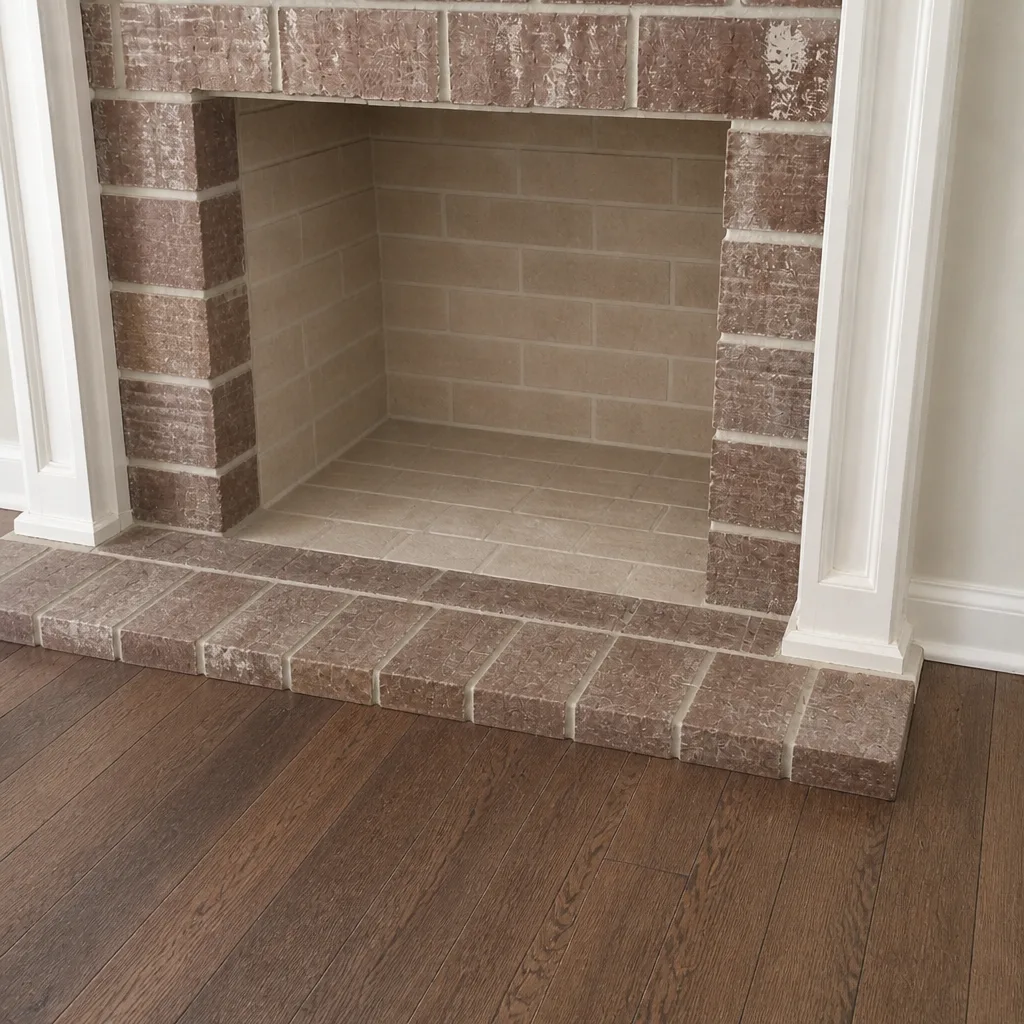
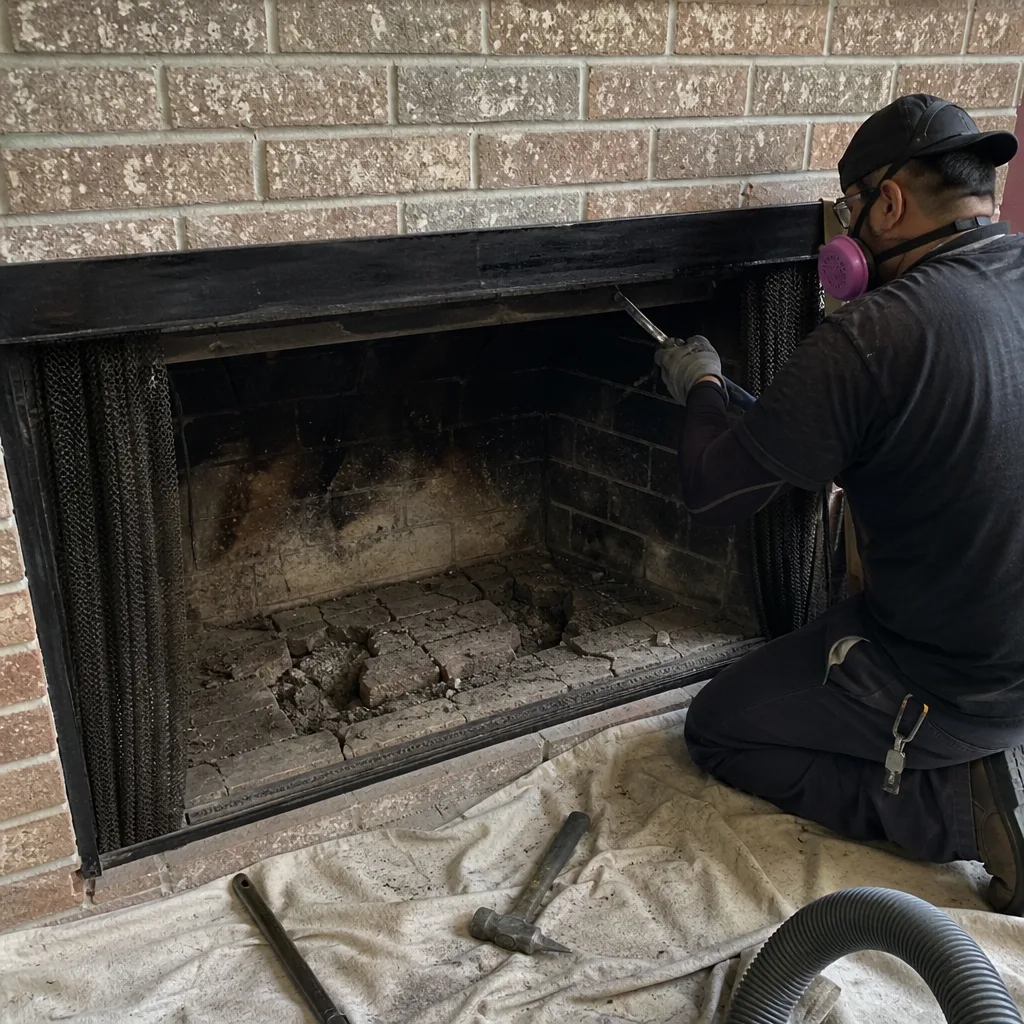
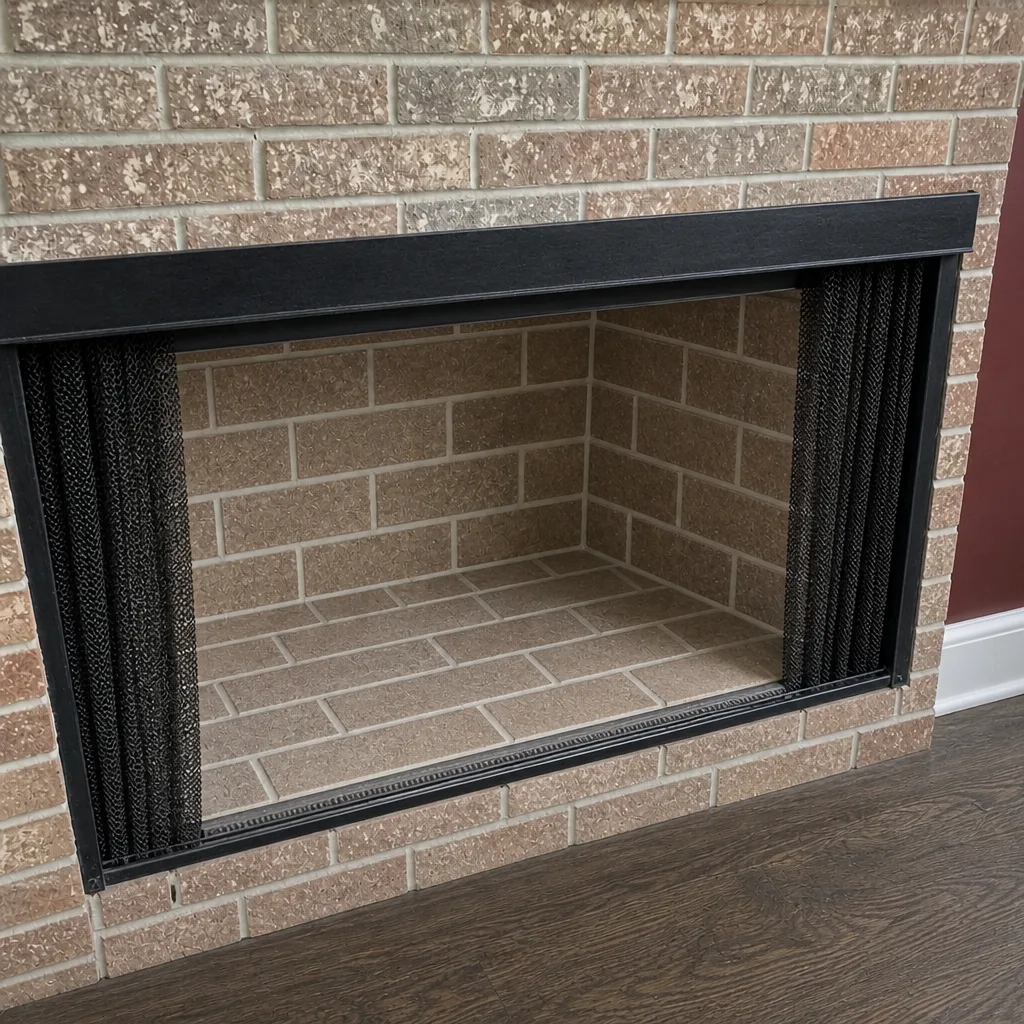
See the difference
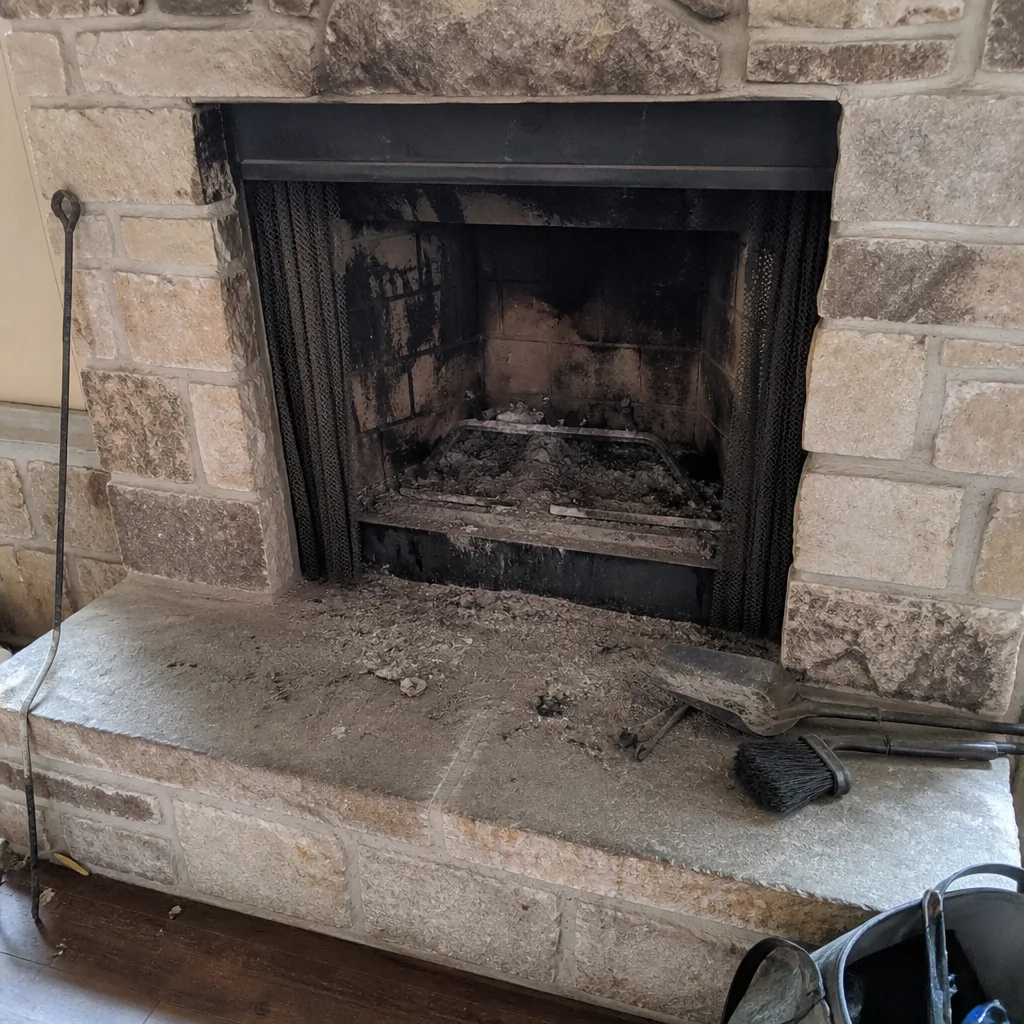 Before
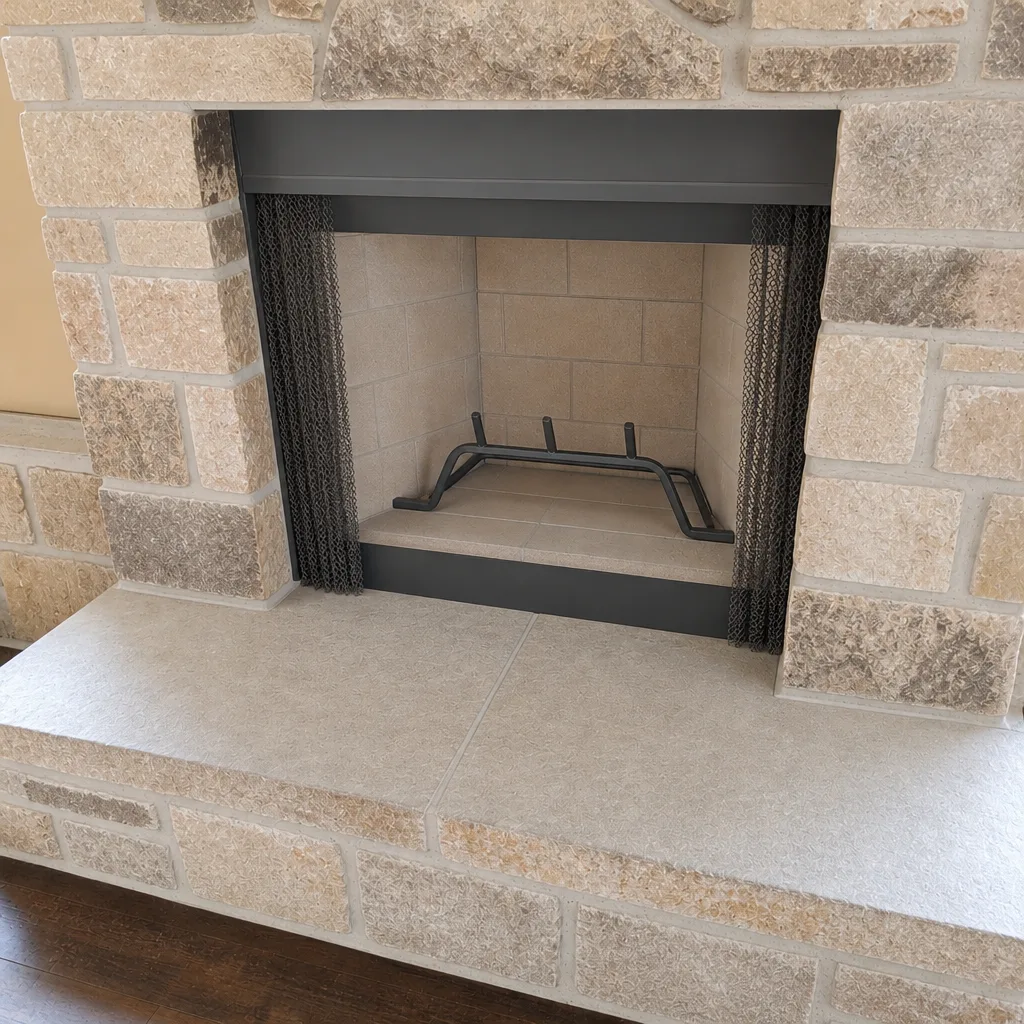 After
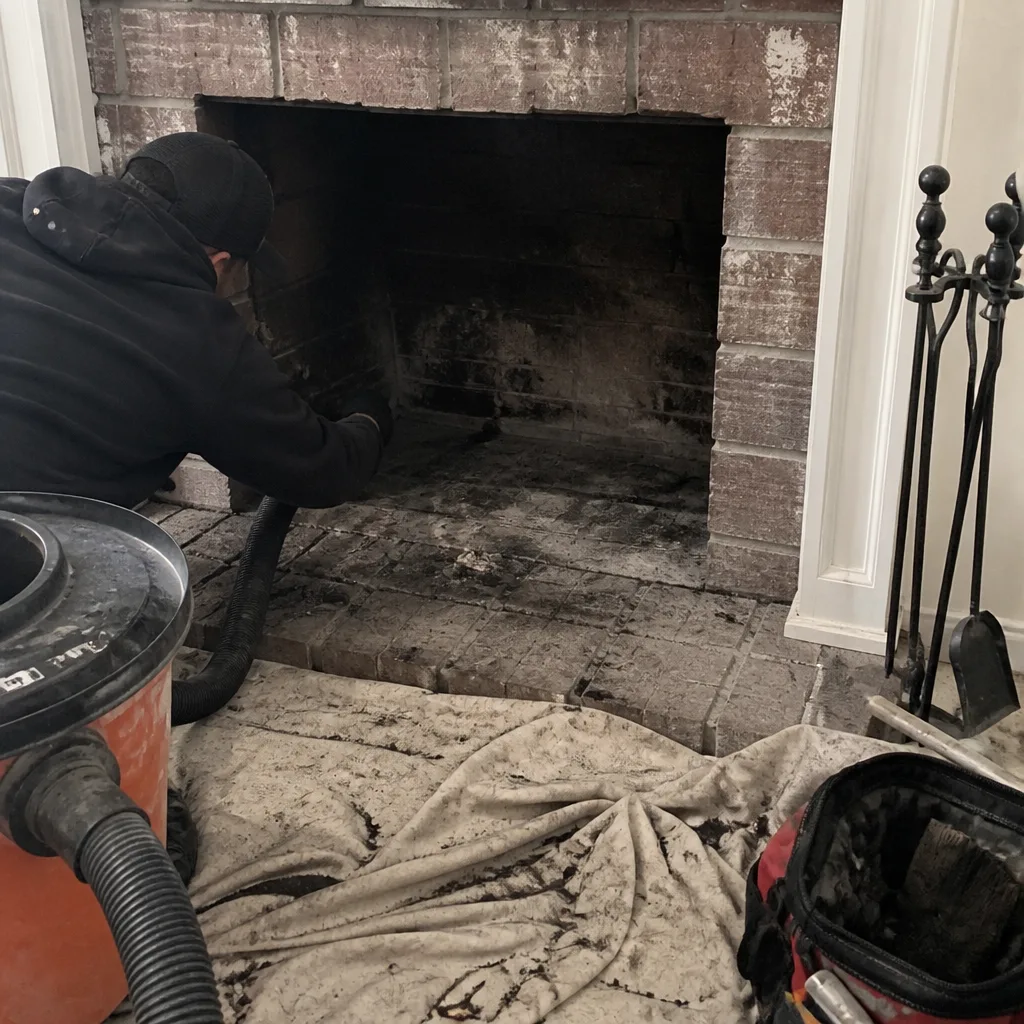 Before
 After
 Before
 After
When to Call a Professional
Some chimney problems are obvious: smoke that backs into the room, a firebox that’s cracked or separating, water staining on the ceiling near the chimney, or a cap that has visibly gone missing. Others are invisible without a camera: early-stage liner cracks, creosote that’s reached a dangerous stage, gaps at flue joints. Don’t wait for the obvious ones. If you’ve recently bought an older Alief home and don’t know when the chimney was last inspected, that’s the time to call. If your fireplace has never been inspected since you owned the home, same answer. The cost of an inspection is small compared with the cost of a repair or a chimney fire. Chimney Sweep Alief offers free estimates in Alief – call (855) 337-1823. We answer 24/7. Fast dispatch from 7am to 7pm, Sunday through Friday.
Frequently Asked Questions
For liners, look for UL-listed systems from names like DuraFlex and HeatShield. For crown and masonry work, Gelco is a recognized brand. For caps and specialty components, Olympia Chimney, Famco, and Copperfield are common trade choices. Those brand names matter because they come with published installation instructions and listing documentation – the things that keep a chimney compliant and insurable. Call (855) 337-1823 for a free estimate that names the materials up front.
Yes. UL listing means an independent lab tested that specific product for its rated application; brand marketing language does not. A liner without a listing for your appliance type can fail code review and complicate an insurance claim later. Ask to see the listing before you authorize the work. Call (855) 337-1823 for an exact quote in Alief – estimates are free.
You need a new liner when the existing one has documented cracks, gaps, or deterioration the camera shows. If the sweep can’t show you photos, you can’t judge. In Alief, and everywhere else, honest recommendations come from evidence you can see. Ask for the camera footage. Call (855) 337-1823 if you’d rather have an inspection you can trust first.
Chimneys should be inspected annually, and swept as the inspection indicates – typically when a quarter inch or more of creosote has built up in the flue. Wood-burning fireplaces in Alief that see regular use most years generally need a sweep more often than gas systems. Skipping years because the fireplace “seems fine” is how small creosote deposits become risky ones. Call (855) 337-1823 to book an inspection.
Creosote accumulates, and in its later stages it becomes flammable and harder to remove. Small liner cracks turn into larger ones. Water intrusion through a failing crown or missing cap starts damaging masonry from the inside. None of it announces itself; that’s the point of annual inspection. Call (855) 337-1823 for a free estimate on an inspection.
You can, but the patch will usually fail within a season or two in this climate. Crown repair needs a flexible, UV-stable compound matched to the repair, not standard mortar. If you’re not sure the crown is even the issue, an inspection will confirm it before you buy a bucket. Call (855) 337-1823 for a free estimate.
The Bottom Line
The chimney cleaning products a company uses tell you more about their capability than any single claim in their marketing. UL-listed liner systems, sized brushes, breathable masonry waterproofing, and manufacturer-approved crown compounds are the real quality signals – and names like DuraFlex, HeatShield, Gelco, Olympia Chimney, Famco, and Copperfield show up in a professional’s toolkit because they publish what they tested. In Alief, that difference is not abstract: it’s the difference between a documented liner and a question mark at resale, between a crown that lasts and one that fails again next year. Ask the material questions in this guide. An honest sweep in Alief will welcome them.
Chimney Sweep Alief provides the full continuum of chimney work – sweep, inspection, cap and crown, fireplace repair, and chimney repair – using trade-trusted materials. From annual sweep to full liner repair, one call handles it. Free estimates, honest inspection before any repair recommendation, and answers to every material question you want to ask. Call (855) 337-1823. We answer 24/7. Fast dispatch from 7am to 7pm, Sunday through Friday.
Written by the team at Chimney Sweep Alief.