
Last updated November 24, 2026
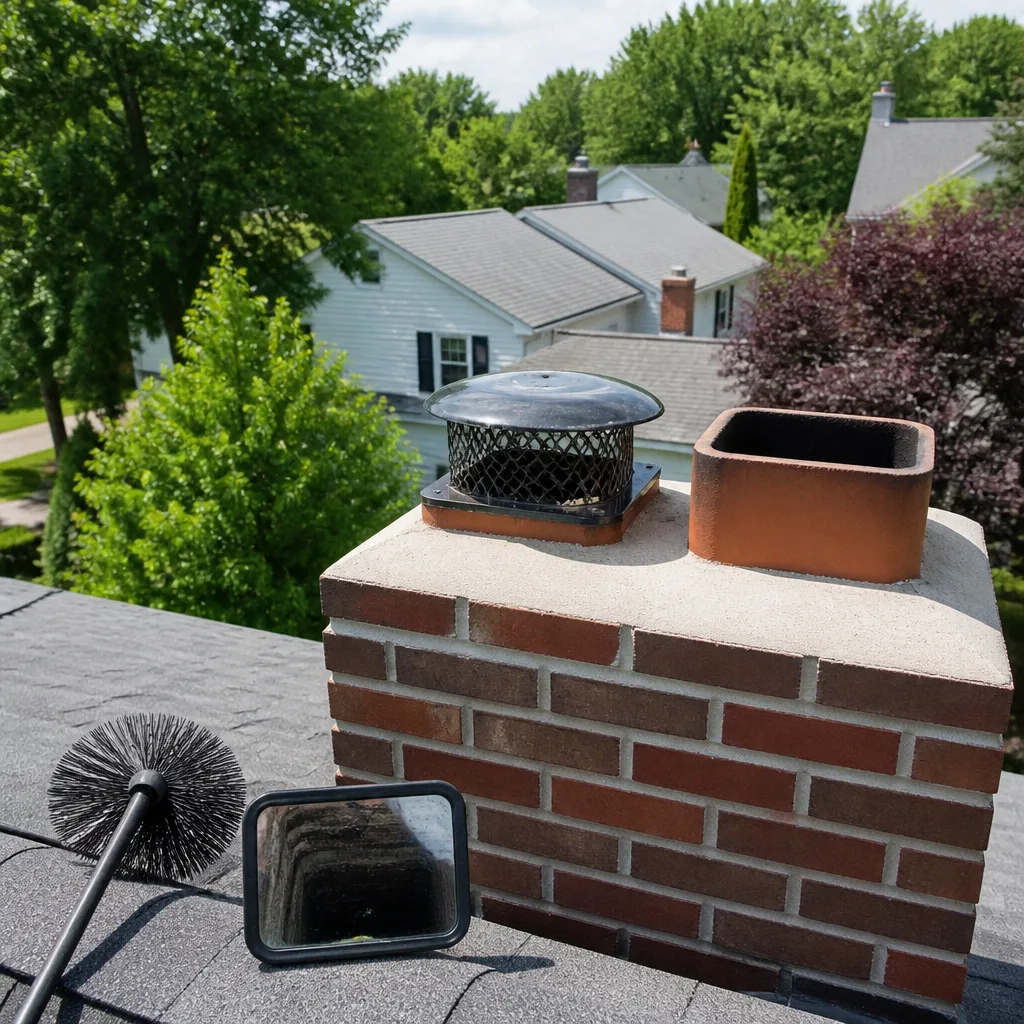 Sweep & inspection
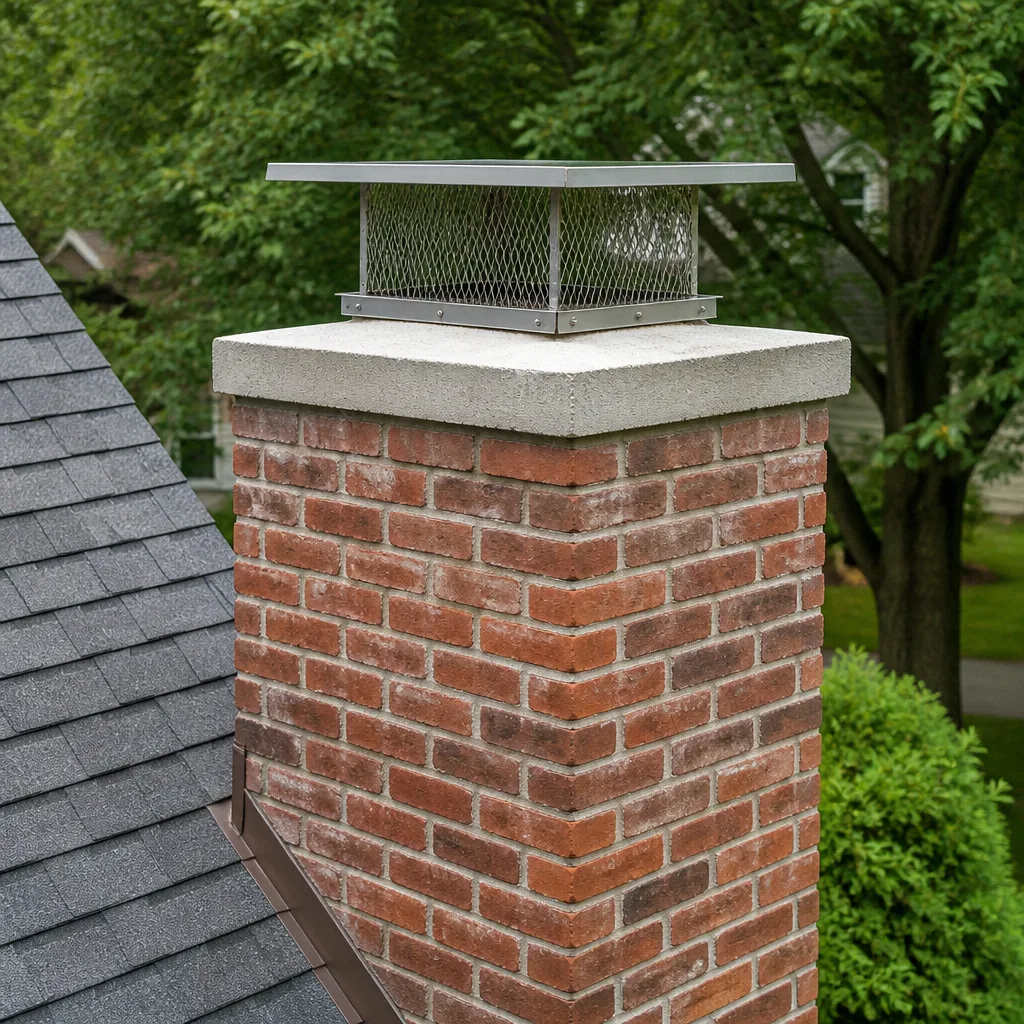 Caps & crowns
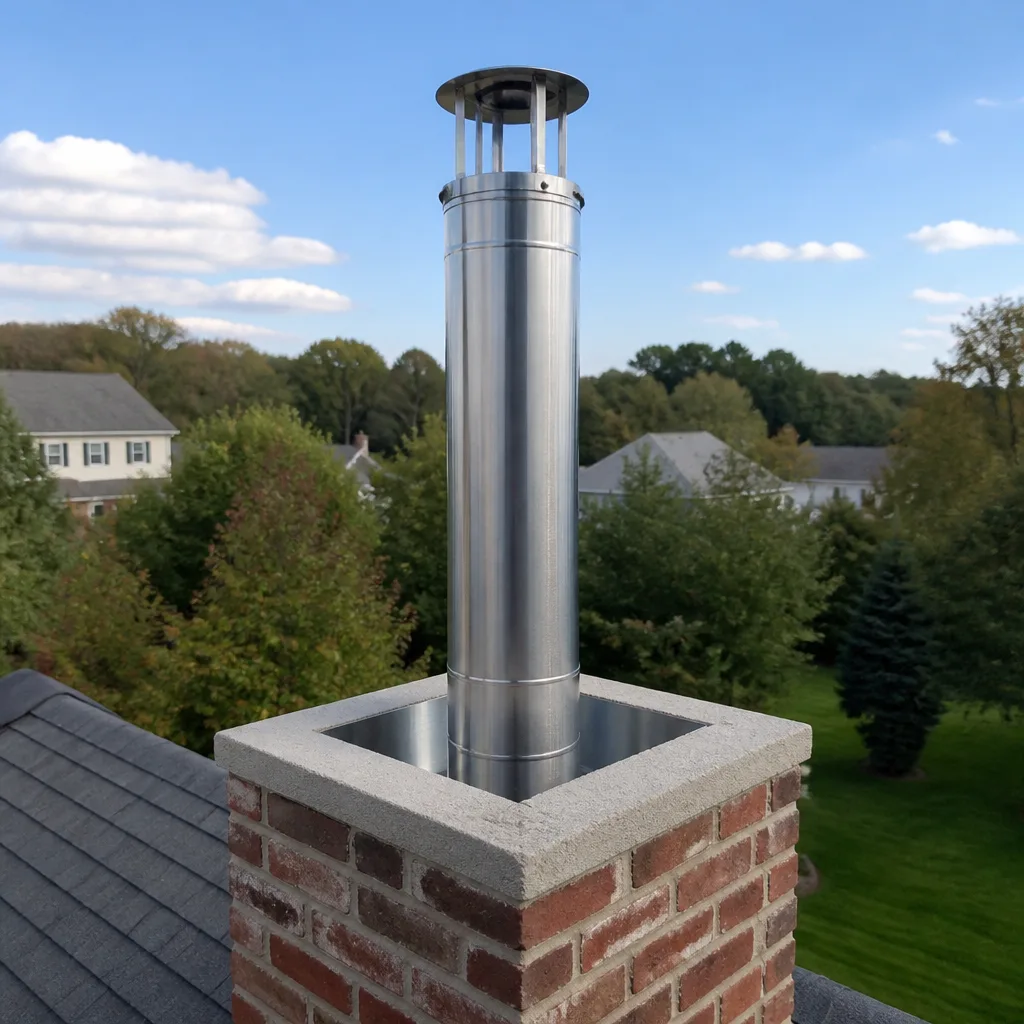 Flue relining
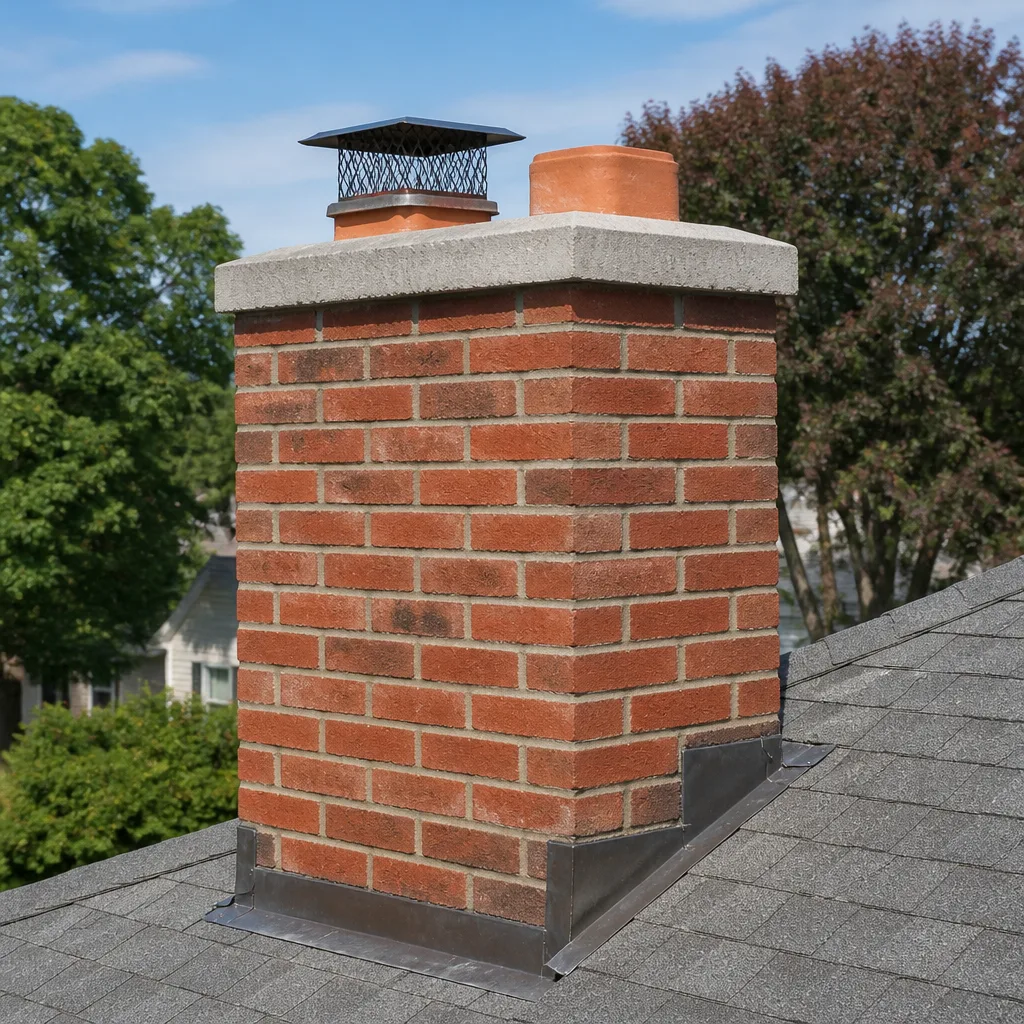 Masonry repair
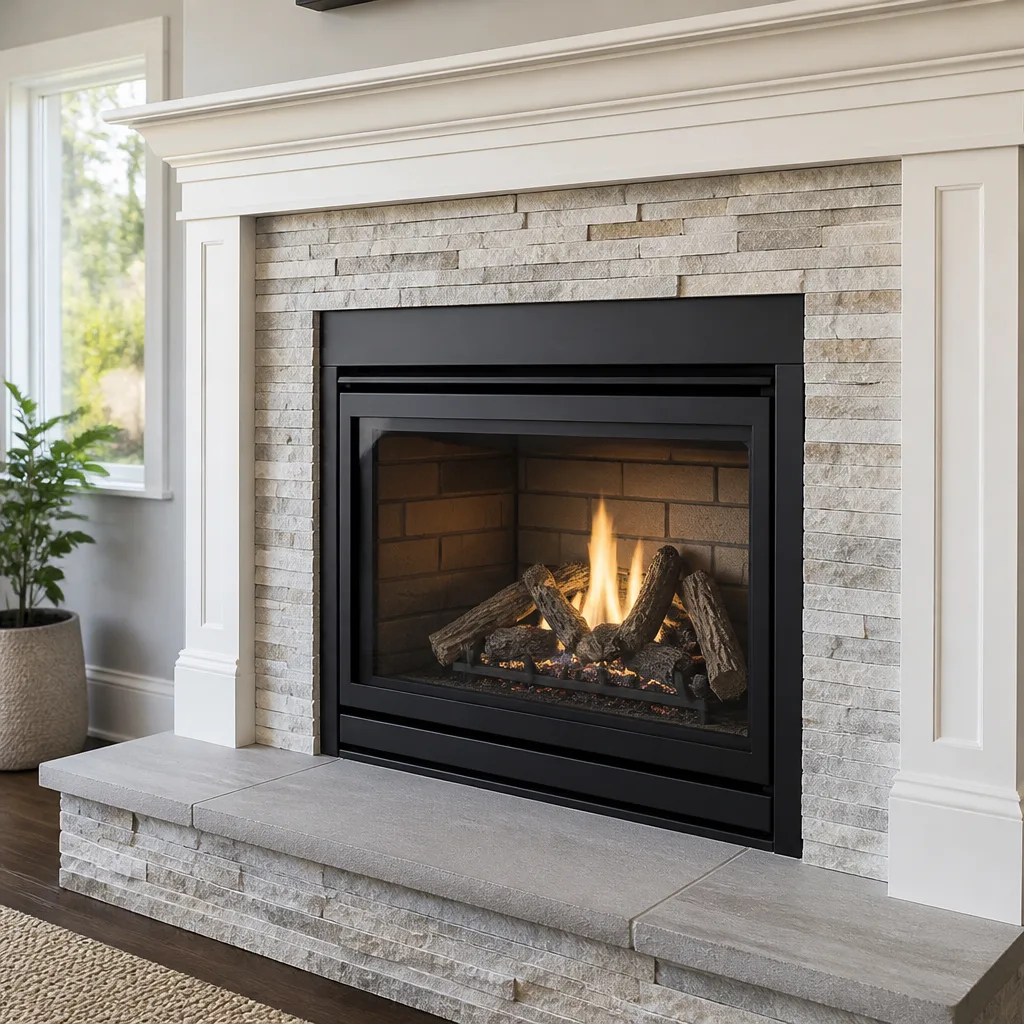 Gas fireplace service
Level 1 sweep and inspection to the NFPA 211 annual standard - flue, crown, cap, and flashing checked and photographed
Chimney sweep logs do not sweep chimneys. They loosen some creosote - which then falls where a brush and vacuum still have to collect it.
Chimney Sweep Troubleshooting in Alief: Common Problems and How to Fix Them
If your fireplace smokes into the room every time you light it, adding more newspaper and hoping for a better draft isn’t a plan. That one symptom alone has at least six different causes, and most of them a simple sweep won’t fix. The same is true of the musty smell you notice in July, the stain spreading across the firebox wall, and the fire that takes three tries to catch. Each one points to a specific mechanical or structural failure, and each one has a different repair. This guide maps the symptom to the root cause so you can describe the problem accurately, understand what a technician is actually doing, and avoid paying for a sweep that never should have been the first call. We’ll walk through it the way we do on a diagnostic visit in Alief, one symptom at a time.
Quick Answer
Most chimney problems in Alief fall into one of four buckets: airflow faults (smoke rollback, draft reversal), moisture damage (stains, rusted dampers, spalling tiles), blockage (nests, soot buildup, debris), or structural wear (cracked flue, failing crown). A sweep fixes soot and some blockages. Draft faults, flue sizing issues, and cracked liners usually need inspection and repair before a cleaning will do any lasting good. The fastest way to sort out which one you have is a camera inspection, and the first call is to a chimney specialist, not a general handyman.
Styles & brands we work with
- Sweep & inspection
- Caps & crowns
- Flue relining
- Masonry repair
- Gas fireplace service
Table of Contents
- Symptom-to-Cause Matrix: What Each Warning Sign Actually Means
- Why Alief’s Humidity Breaks Chimneys Differently
- Draft Problems: House Pressure, Blockage, or Sizing Mismatch
- What You Can See vs. What Only a Camera Can Find
- Moisture Stains, Rusted Dampers, and Spalling Tiles
- Animal Odors and Nesting: The Summer Surprise
- Your Decision Tree: What to Do After You Spot a Symptom
- Common Mistakes to Avoid
- When to Call a Professional
Symptom-to-Cause Matrix: What Each Warning Sign Actually Means
Here’s the core idea of this guide: almost every chimney complaint has more than one possible cause, and the fix depends entirely on which one you have. Reading a symptom correctly is half the repair. Below is the map we use when a homeowner describes a problem over the phone.
- Smoke rolls back into the room on light-up. Possible causes: cold flue that needs preheating, negative house pressure pulling air down, a partially blocked flue, a flue that is too large for the firebox, or a chimney that is too short for the roofline. A sweep only addresses the blockage.
- Fire won’t catch or burns weakly. Usually a draft problem, wet wood, or a flue that is undersized. Rarely a soot issue on its own.
- Musty or animal smell in the firebox, especially in warm months. Almost always leftover creosote combined with moisture, or an active nest. The smell gets worse when the house is closed and the AC is running because the pressure flips.
- Brown or white stains on the firebox wall or ceiling near the chimney. Water intrusion. Most common source is a missing or damaged cap, then a cracked crown.
- Rust on the damper or firebox hardware. Chronic moisture, not a one-time leak. The cap and crown are the first places to check.
- Crumbling flakes of tile inside the flue (spalling). Moisture has gotten into the liner material. This is a repair, not a sweep, and it’s the one that most often points to a HeatShield resurfacing or a new liner.
- Soot falling into the firebox or a black film on the glass doors. Incomplete combustion. Can be a draft issue, a blocked flue, or simply overdue cleaning.
- Draft reverses when the furnace kicks on or the bathroom fan runs. Negative house pressure. The chimney is doing its job, the house is fighting it.
Notice that only two of those eight bullet points are solved by sweeping. The rest need a diagnosis first. That’s why an inspection has to come before a repair recommendation, not after.
Why Alief’s Humidity Breaks Chimneys Differently
Alief sits in the Gulf Coastal Plain, and the air here stays humid through most of the year. That one fact changes which chimney failures you’ll see most. In drier parts of the country, the top chimney problems are cracks from freeze-thaw and heavy soot from long burning seasons. Neither becomes the dominant issue here. What does: moisture that never fully leaves the structure.
Three specific failure modes show up more in Alief than in colder or drier regions:
- Spalling flue tiles. Clay flue tiles soak up moisture from humid air and from a leaking cap. When that moisture is heated by the fire, the tile expands and begins to flake. You’ll see tile shards in the firebox or a roughened flue wall on camera. This is why we handle so many liner resurfacing jobs with the HeatShield system here, and why a straight sweep won’t fix the problem.
- Rusted dampers and firebox hardware. A damper plate that sits in a chimney with a failing cap will rust from the top down. That rust eventually freezes the damper open or shut. The fix is a new damper, and the real fix is also a new cap so it doesn’t happen again.
- Cracked crowns and mortar joint erosion. Mild winters here mean the crown doesn’t go through freeze-thaw the way it would up north, but the constant humidity still wears the mortar joints out over time. Once the crown cracks, the water path into the chimney is open, and the liner is next.
If you’ve been told that the local climate is “easy on chimneys” because it doesn’t snow, that’s only half the picture. Mild winters here don’t eliminate moisture damage; they just shift it from freeze-thaw to slow rot. The preventive strategy is the same either way: keep water off the chimney top, and inspect the flue before small cracks become liner replacements.
Draft Problems: House Pressure, Blockage, or Sizing Mismatch
A draft problem is not one thing. Three completely different causes produce the same symptom, and they need three different fixes. Knowing which one you have before you call saves a lot of back-and-forth.
House pressure (negative pressure / stack effect)
Modern Alief homes are often tight. A tightly sealed house with a powerful kitchen exhaust or bathroom fan pulls air into the house from wherever it can, and the chimney is one of those places. The result: air comes down the flue instead of going up, and smoke rolls out into the room. You’ll often notice the symptom is worse when an exhaust fan runs or when the clothes dryer is going. The fix is usually a dedicated outside-air source for the firebox, or a make-up air strategy for the house. Sweeping won’t touch it.
Blockage
A nest, a collapsed liner section, or a heavy creosote layer physically blocks the flue. A camera inspection reveals this instantly. If your draft suddenly drops off after a summer of disuse, a nest is a strong suspect. Cleaning the nest solves it; you also need a cap so it doesn’t happen again next spring.
Flue sizing mismatch
If the firebox was rebuilt, a stove insert was added, or the chimney itself was shortened, the flue size may no longer match the fire. Too large a flue means the smoke cools before it exits and drops back down. Too small a flue means the fire smothers. This one is diagnosed by measuring the firebox opening and flue together during a Level II-style inspection. The fix is a properly sized liner (DuraFlex or Olympia Chimney, for example) that brings the two into agreement.
Telling these three apart needs a camera, measurements, and a conversation about when the symptom appears. From a description over the phone, we can usually narrow it down to the most likely one before anyone comes out. That’s half the value of a good diagnosis.
What You Can See vs. What Only a Camera Can Find
One of the most useful skills a homeowner can develop is knowing which warning signs you can see yourself and which ones you need a camera to confirm. Getting this right prevents the two worst outcomes: panicking over something benign, and ignoring something serious.
What you can see (no camera needed)
- Smoke rolling into the room at light-up
- Water stains or a wet patch on the firebox wall or ceiling near the chimney
- Rust on the damper, firebox, or glass doors
- A visible animal nest, droppings, or feathers in the firebox
- Crumbling tile flakes sitting in the firebox ash bed
- A missing or bent chimney cap visible from the yard
- A cracked crown visible from the roof (only if you can safely get a view from the ground with binoculars)
- Heavy soot buildup inside the flue, visible from the firebox opening with a flashlight
- A damper that won’t open or close smoothly
- Odor in the firebox, especially in warm weather
What only a camera finds
- Cracked flue tiles that look fine from the firebox
- A liner that has separated at a joint three feet up
- Creosote glazed onto the flue wall in a hidden section
- A flue that steps down in size partway up, throwing off draft
- Hidden water damage inside the chimney chase
- Obstructions that sit behind a bend in an offset flue
- -style joint condition on a masonry chimney
That’s the honest line: everything in the first list we can talk through over the phone, and everything in the second list needs an inspection. When we recommend a repair, it’s because the camera showed the reason, and we’ll show you the picture. That’s the whole point of offering inspections as a standalone service: no repair without evidence you can see yourself.
Moisture Stains, Rusted Dampers, and Spalling Tiles
Moisture is the most common root cause of chimney damage in Alief, and it almost always enters from the top. The chimney cap and the crown are the two places we look first, because a chimney without a functioning cap is going to leak eventually, and a crown with a hairline crack is going to funnel water into the flue lining.
The progression usually looks like this:
- Cap gets bent, cracked, or blown off entirely
- Rain enters the flue freely
- The damper (if it’s the top-sealing type) starts to rust and stick
- Clay flue tiles absorb moisture and begin to spall when reheated
- Crown mortar joints erode from constant damp
- Stains appear on the firebox wall and ceiling near the chimney
Each stage in that chain is cheaper to fix than the next one. A chimney cap & crown repair replaces the wet-metal replacement and the mortar joint in one visit, and prevents the spalling that comes after. A full liner replacement or HeatShield resurfacing costs more and takes longer because the liner is structural, not cosmetic. Fixing the cap and crown early is the single best preventive move available, and it’s why we offer cap and crown work as its own service rather than pushing it only when the sweep is already being booked.
If you’re already seeing stains inside the firebox, get the inspection done before the next burn. Water absorbed into the flue is where the serious repair budget lives.
Animal Odors and Nesting: The Summer Surprise
Birds, squirrels, and occasionally raccoons love an uncapped chimney the way a homeowner loves a covered patio. They settle in during the spring, leave in the fall, and the smell stays. The worst part is when the odor makes itself known in summer, when the house is sealed and the AC is running, and the smell is being pulled through the firebox into the living space.
If you notice a musty, animal smell coming from the fireplace in July, the order of operations is:
- Stop using the fireplace until the flue has been inspected.
- Call for a sweep and inspection (a sweep-only service can’t reliably confirm what’s inside the flue; you want a camera).
- Get the nest removed and the flue cleaned.
- Get a proper cap installed so the problem doesn’t repeat next year.
The mistake we see most often is capping the chimney first and removing the nest later. That traps the smell inside and makes the climb-out harder if there’s an animal inside. Cap last, not first.
One more thing on this: an animal nest is also a fire hazard. Twigs and dried grass inside a flue sitting a few feet above an active firebox will eventually ignite. It’s a real reason to act on the smell quickly, not just an aesthetic concern. A cap and crown job is the cheap insurance against the whole cycle.
Your Decision Tree: What to Do After You Spot a Symptom
This is the practical part. Once you’ve noticed a symptom, here’s the sequence that gets you the right answer fastest and avoids paying for the wrong service. The script we use over the phone matches this.
- Identify the symptom precisely. Not “the chimney doesn’t work” but “smoke rolls into the room when I light it, and it’s worse when the dryer runs” or “there’s a brown stain on the ceiling next to the chimney”. Specificity is everything.
- Check the obvious visible cause. Missing cap? Visible nest in the firebox? A rusted damper you can see? Handle those first.
- Rule out house pressure. Try lighting the fireplace with all exhaust fans off and a nearby window cracked a half inch. If the draft improves, negative house pressure is a strong suspect, and the fix is airflow, not sweeping.
- Call for a chimney sweep and inspection. If the symptom isn’t resolved by the visible check or the pressure test, you need the camera. This is where our chimney sweep service starts, and where the inspection happens before any repair is recommended.
- Bring the right information to the call. Have ready: how long the symptom has been present, whether it’s worse at certain times of day or when the house runs certain appliances, whether you’ve had a prior sweep or inspection, and whether you’ve noticed any odor or moisture.
- Look at the photo report. A reputable sweep hands you images of what they found. If they recommend a liner replacement without a photo, ask for one before agreeing to the work.
- Know what to do if it’s a fireplace repair. Some symptoms (a broken damper, a cracked firebox, a masonry joint failure) aren’t a sweep at all, and the honest answer is a fireplace repair, not more cleaning.
That last point matters. When we arrive at a home expecting a sweep and find a cracked firebox instead, we tell the homeowner that before touching the flue. Fixing the wrong problem is worse than fixing nothing. That’s why the inspection comes first.
How Each of These Problems Is Actually Fixed
Once the cause is identified, the work itself falls into a small set of repairs. Knowing the trade-offs helps you decide what to authorize and what can safely wait.
Soot and creosote buildup
Standard sweeping. The flue is brushed, the firebox is cleaned, the damper is tested, and the debris is removed. If glazed creosote is present (a hard, tar-like layer), a simple sweep may not be enough, and a chemical treatment followed by resurfacing is the real fix. This is the repair that most often gets skipped by a sweep-only company.
Broken or damaged liner
Two paths: resurfacing or replacement. Resurfacing (the HeatShield approach) can restore a flue that has no structural break beyond the surface. Replacement uses a new liner (DuraFlex and Olympia Chimney are the ones we work with) for a flue that has clear separation or a hidden breach. The camera confirms which one you actually need.
Cracked crown
The crown is the concrete or mortar top surface of the masonry chimney. It cracks, it gets water behind it, and it starts feeding the problem down the flue. Repairing or replacing the crown closes the water path at the top.
Missing, bent, or short cap
The stainless or copper cap over the flue is what stops rain, nest, and draft-stopdown from the top of the chimney. A properly sized cap is a fifteen-minute install and solves a lot of problems before they start. If a chimney in Alief is standing tall with no cap, that’s the first item to fix.
Cracked flue tiles (spalling)
This isn’t a sweep problem. The tile shards are evidence of moisture damage, and the fix is resurfacing or replacement. If you find shards in the firebox, treat that as a stop-drive: don’t burn until it’s inspected.
Rusted or stuck damper
A new damper install, along with a cap and crown check to stop the moisture that caused the rust. If the firebox has structural cracks around the damper, that’s a fireplace repair, not just a damper swap.
Negative-pressure draft problem
This is the one that surprises people. The fix is often outside the chimney itself: dedicated outside air, an exhaust-fan strategy for the house, or (in some cases) a taller flue. The inspection confirms the diagnosis, and if the fix is the house’s air balance, we tell the homeowner that plainly rather than selling a repair that won’t solve it.
The through-line is: sweep the flue, inspect the whole system, then fix only what the inspection proved. Chimney Sweep Alief runs the whole sequence from one visit, which is why an honest inspection and the repair itself can come from the same call.
Common Mistakes to Avoid
- Burning through a known draft problem. If smoke rolls into the room, the fire is being fed oxygen from the wrong direction, and that’s a sign of a problem you shouldn’t ignore while you wait for a better burn. Stop, call, and get it diagnosed.
- Capping the chimney before removing an animal nest. This traps the smell and can trap an animal inside. Remove the nest first, then cap.
- Calling only for a sweep when the symptom is moisture or masonry. A sweep-only service will clean the flue and leave the stain and the spalling tiles untouched. Alief’s humidity means the moisture itself is the problem, and it doesn’t go away with a brush.
- Assuming a colder-climate chimney problem doesn’t happen here. The mild winters in Alief don’t eliminate chimney damage; the humidity just trades freeze-thaw cracks for slow spalling and rusted dampers. The preventive plan is still “keep water off the top, inspect the flue annually”.
- Paying for a liner replacement without seeing the photo. If the inspection report is only a verbal recommendation, you haven’t seen the evidence. Ask for the picture before agreeing to the work.
- Assuming a general handyman can fix it. Chimney work needs the right materials (DuraFlex, HeatShield, Olympia Chimney liners, Gelco accessories) and an understanding of flue sizing, draft, and code-compliant termination. This is a specialty, not a handyman task.
- Waiting until the annual maintenance is due to notice the problem. Every problem in this guide starts small. Once a year, before the first burn of the season, is the correct window to catch it.
How a Chimney Sweep in Alief Actually Runs
If you’ve never had a sweep before, the process is less mysterious than it sounds. Here’s what happens on a typical visit, and what to expect from a specialist who inspects first and repairs second.
- Arrival and walkthrough. We walk the house perimeter, look at the chimney from the ground, and ask about the symptoms you’ve noticed.
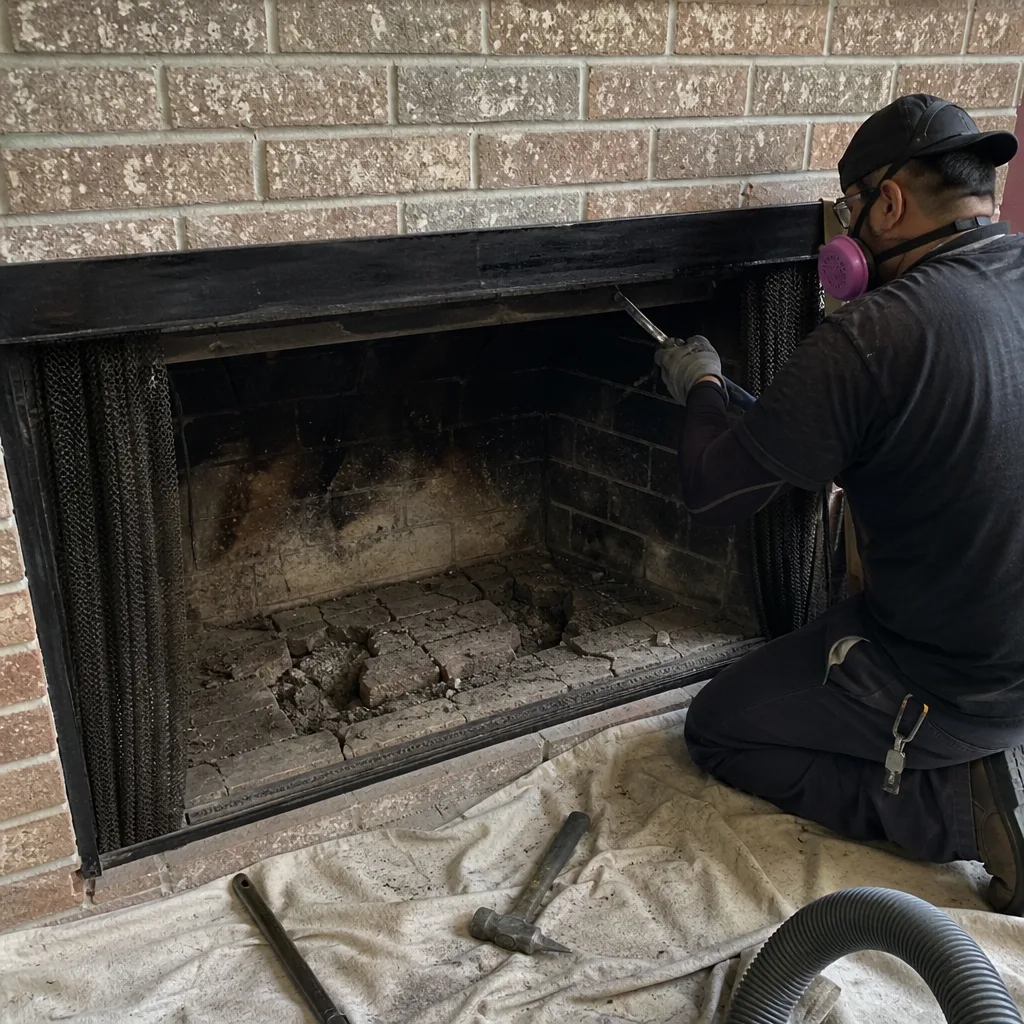
- Firebox protection. Drop cloths go down, and the opening is sealed to keep soot out of the room.
- Sweeping the flue. Brushes sized to the flue clear the creosote and soot. Debris is collected and removed.
- Damper and firebox check. The damper is tested for smooth operation. Firebox walls and joints are inspected for cracks.
- Camera inspection of the flue. This is the step that separates a thorough sweep from a quick one. The camera checks for cracked tiles, separation, and hidden obstructions, and the images are shared with you.
- Exterior check. Cap, crown, and masonry joints are inspected from the roof (or from a safe vantage point). Cracks, missing pieces, and mortar erosion are noted.
- Written findings and photo report. You get a clear summary of what was found, what’s safe to leave for now, and what should be repaired soon. No repair is recommended without a picture to back it up.
Our technicians have up to 9 years of experience, and every visit runs to that checklist. From annual sweep to full liner repair, one call handles the whole system. If the sweep finds something that can safely wait until next season, we tell you so. If it finds something that shouldn’t wait, we tell you why in plain terms.
When to Call a Professional
Call us if any of these are true: smoke rolls into the room at light-up and doesn’t resolve after a ten-minute preheat with a window cracked; you see brown or white stains on the firebox wall or ceiling; you find tile shards in the firebox; there’s an animal smell in the firebox; a damper won’t open or close; the chimney cap is visibly missing or bent; or it’s been more than a year since the last sweep. If you have a gas fireplace, the safety call is even more important because carbon monoxide can pool in a house with a malfunctioning flue, and you can’t smell it. The honest answer is that a sweep or inspection is the only way to know, and the inspection costs less than guessing.
Chimney Sweep Alief offers free estimates in Alief. Call (855) 337-1823. We answer 24/7. Fast dispatch from 7am to 7pm, Sunday through Friday.
Why Annual Maintenance Solves Most of This
Nearly every problem in this guide is cheaper to prevent than to repair, and the annual visit is where the prevention happens. Once a year, before the first burn of the season, a sweep and inspection catches the small stuff: a loosened cap, a hairline crown crack, a rusty damper, the first spalling flake. Every one of those is a small repair at that stage. The same items, left for another season or two, become a liner replacement or a firebox repair.
The cadence that works in Alief:
- Early fall: annual sweep and inspection before the first burn. Catch the summer damage, cap and crown check, damper test, camera flue inspection.
- After any storm: a quick look at the cap and crown from the ground. If something looks out of place up top, call for a check.
- Spring: cap is still on, no visible animal activity, no new stains. If you noticed a smell in the summer, that’s a spring inspection.
- After any fireplace repair: a follow-up check that the repair is holding and the rest of the system is unaffected.
The reason this cadence works here specifically is that Alief’s humidity makes the chimney absorb moisture year-round. There’s no “safe season” when the chimney is out of the weather. What protects it is the cap and crown above and the annual inspection below, working together. If you only do one thing, do the cap and crown check. If you do two, add the annual sweep and inspection. That combination prevents almost every failure this guide described.
Frequently Asked Questions
A standard chimney sweep in Alief typically runs somewhere in the low-to-mid hundreds of dollars, and a sweep plus inspection is a separate line item. The written estimate before the visit sets the final price. Call (855) 337-1823 for an exact quote; estimates are free.
You need a new liner (or HeatShield resurfacing) only if the camera shows cracked or separated tiles or a hidden breach. A sweep alone is right when the flue is intact and just has soot and creosote. The honest answer is that a sweep-only company can’t tell you which one you need; that’s why we offer camera inspection as its own service and show you the photo before recommending any repair.
Once a year, before the first burn of the season. That’s the baseline for a wood-burning fireplace used regularly. A gas fireplace still needs an annual inspection, even if it doesn’t need sweeping as often, because the flue and venting are still part of the system and can fail quietly. In Alief’s humidity, the annual inspection is the more important half of the visit, because that’s where moisture damage shows up.
Three things get worse quietly. Creosote builds up and becomes harder to remove, and in glazed form it can ignite. Moisture gets into the flue and the crown, and the spalling repairs get more expensive as they go. And a small issue that would have been a five-minute fix becomes a liner replacement. Skipping one season is recoverable. Skipping several is where the big bills start.
Two causes, both common in Alief. The first is residual creosote combined with humidity, which brings the smell back when the house goes into cooling mode and the pressure shifts. The second is an animal nest left behind after spring. A sweep and inspection in the fall confirms which one, and a cap install prevents the second from happening again next year.
You need the camera if you have any of the warning signs in this guide (stains, tile shards, smoke rollback, animal smell, rust). A regular sweep sees only what’s reachable from the firebox and the top of the flue. The middle section, which is where liners usually crack and creosote usually glazes, requires the camera. That’s not an upsell; it’s the only way to see the failure.
Yes, and it’s the cheapest repair on the list. Without a cap, rain enters the flue freely, the damper rusts, and the flue tiles absorb moisture and spall when reheated. A cap doesn’t prevent every problem, but it prevents the largest share of them. If your chimney has no cap, that’s the first call to make.
Sometimes, yes, if it turns out to be negative house pressure. Try lighting the fireplace with all exhaust fans off and a nearby window cracked open. If the draft improves dramatically, the house is the cause, and the fix is a permanent air-balance plan or an outside-air source, which is a professional job. Blocked flues and sizing mismatches are not a homeowner fix. Call (855) 337-1823 and we can tell you which one to expect before the visit.
The Bottom Line
Smoke rollback, moisture stains, rusted dampers, musty summer smells, and slow-lighting fires are symptoms with distinct mechanical causes, and only a couple of them are solved by a sweep. Alief’s humidity pushes moisture damage harder than you might expect from a mild climate, which makes the cap and crown the most important preventive repair and the camera the most important diagnostic tool. The sequence that works: identify the symptom precisely, call a specialist whose inspection you can see, get the written photo report, and fix only what the report proves. From annual sweep to full liner repair, one call handles it. Chimney Sweep Alief offers free estimates in Alief. Call (855) 337-1823. We answer 24/7. Fast dispatch from 7am to 7pm, Sunday through Friday.
Written by the team at Chimney Sweep Alief.
See the difference
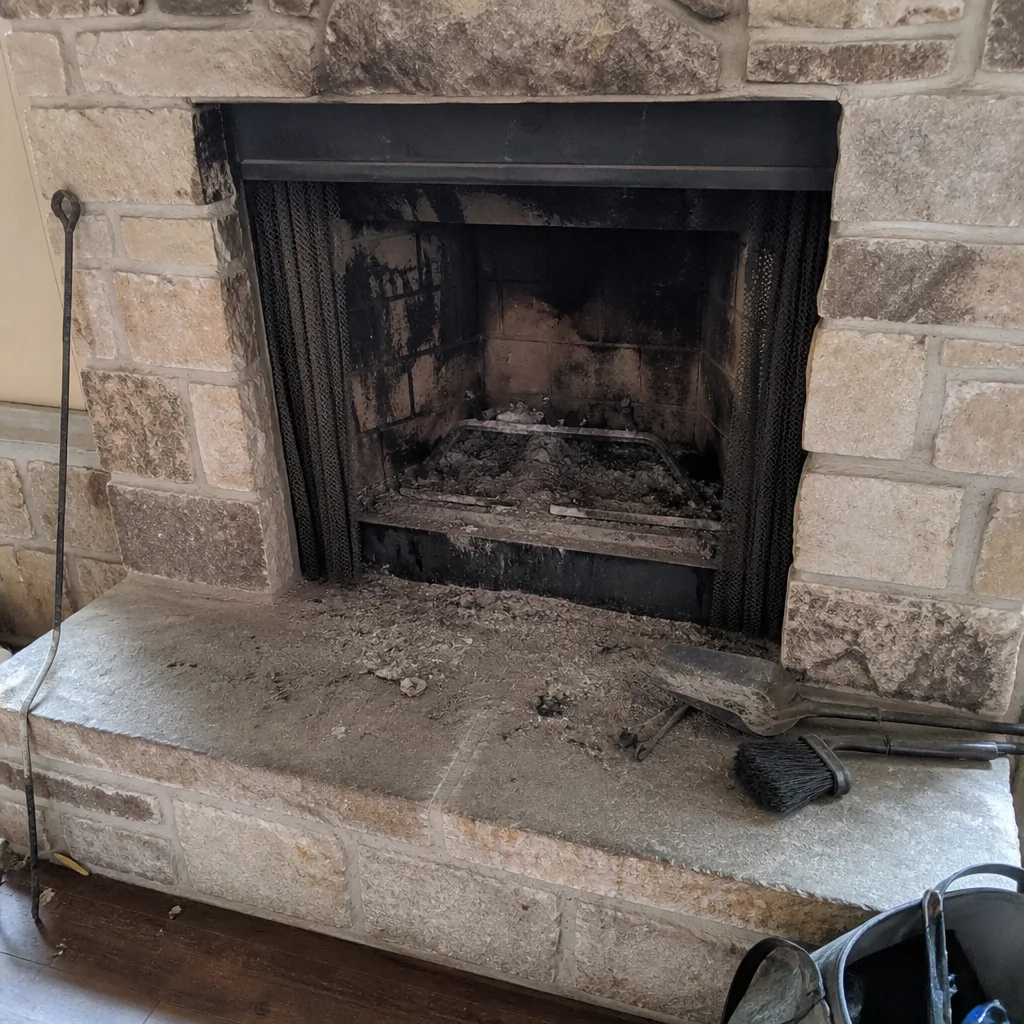 Before
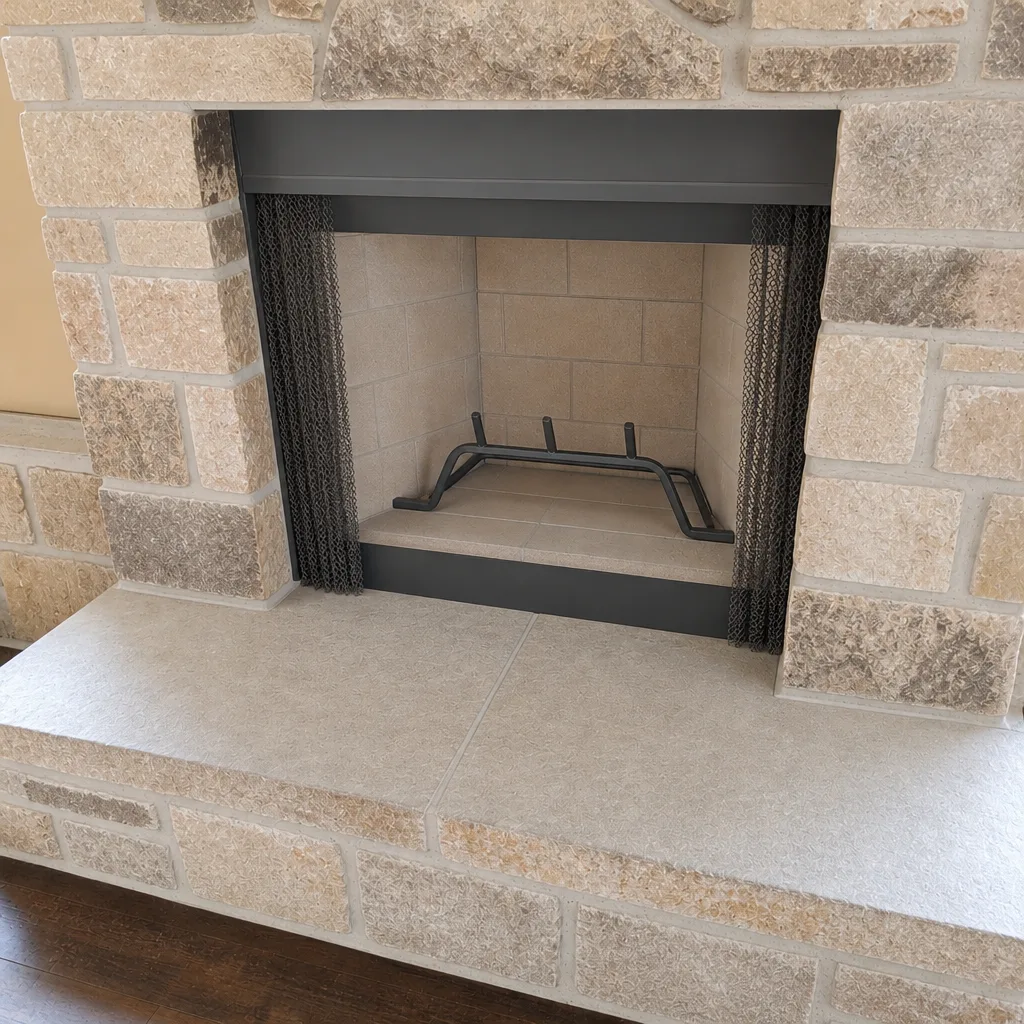 After
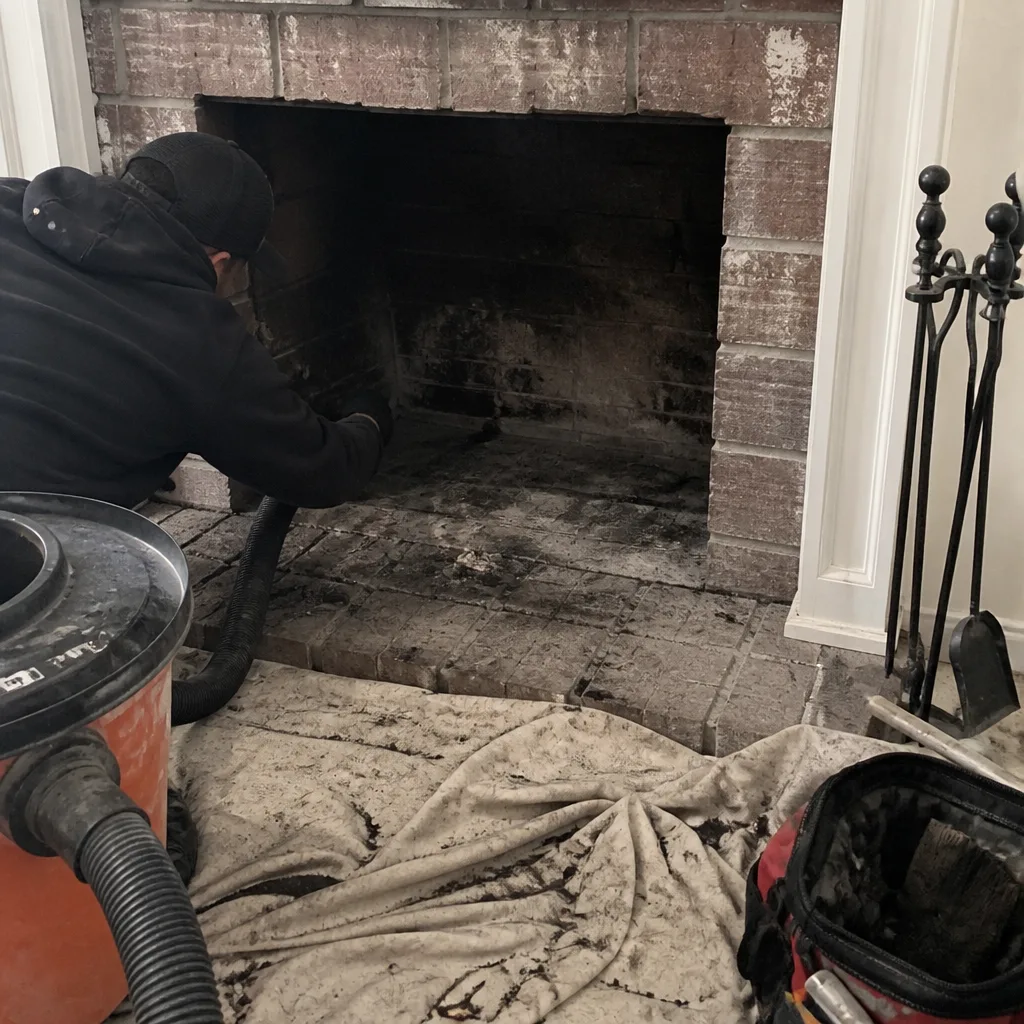 Before
 After
 Before
 After