
Last updated November 24, 2026
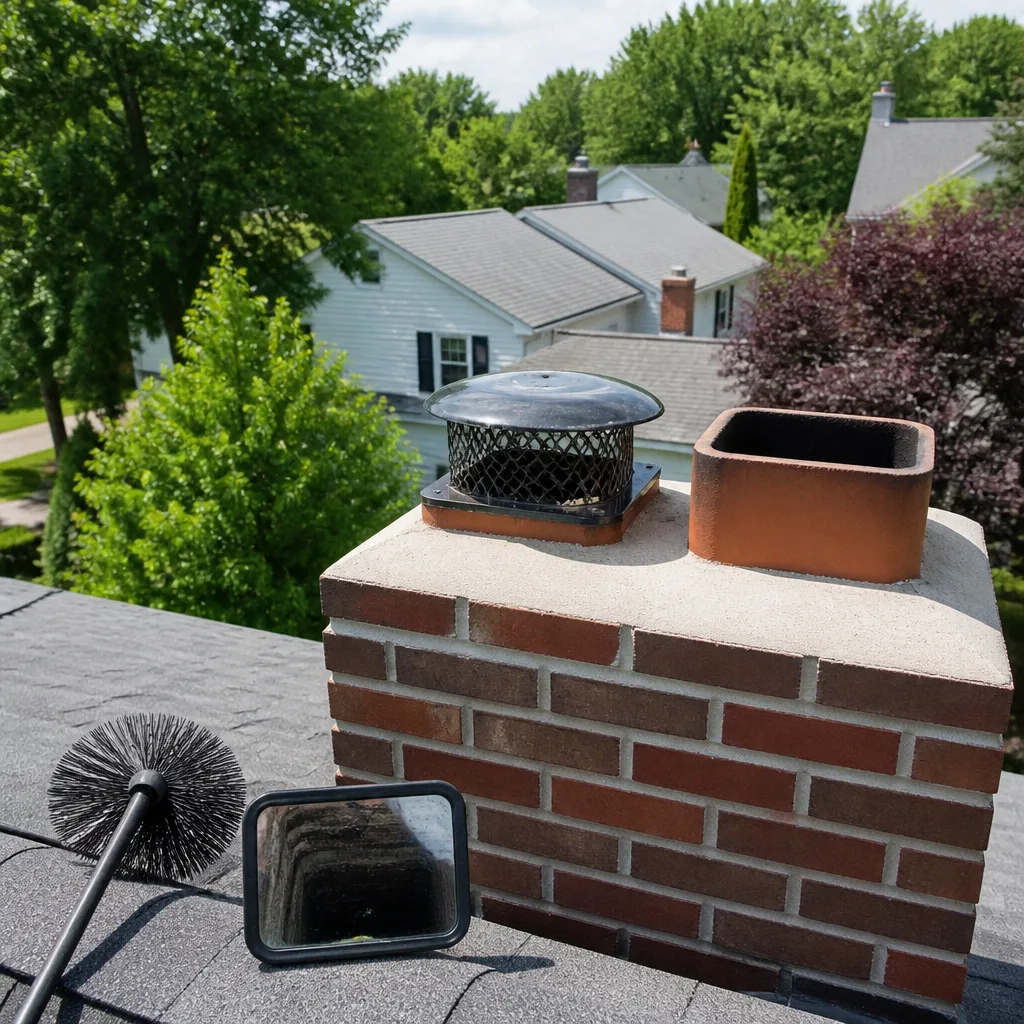 Sweep & inspection
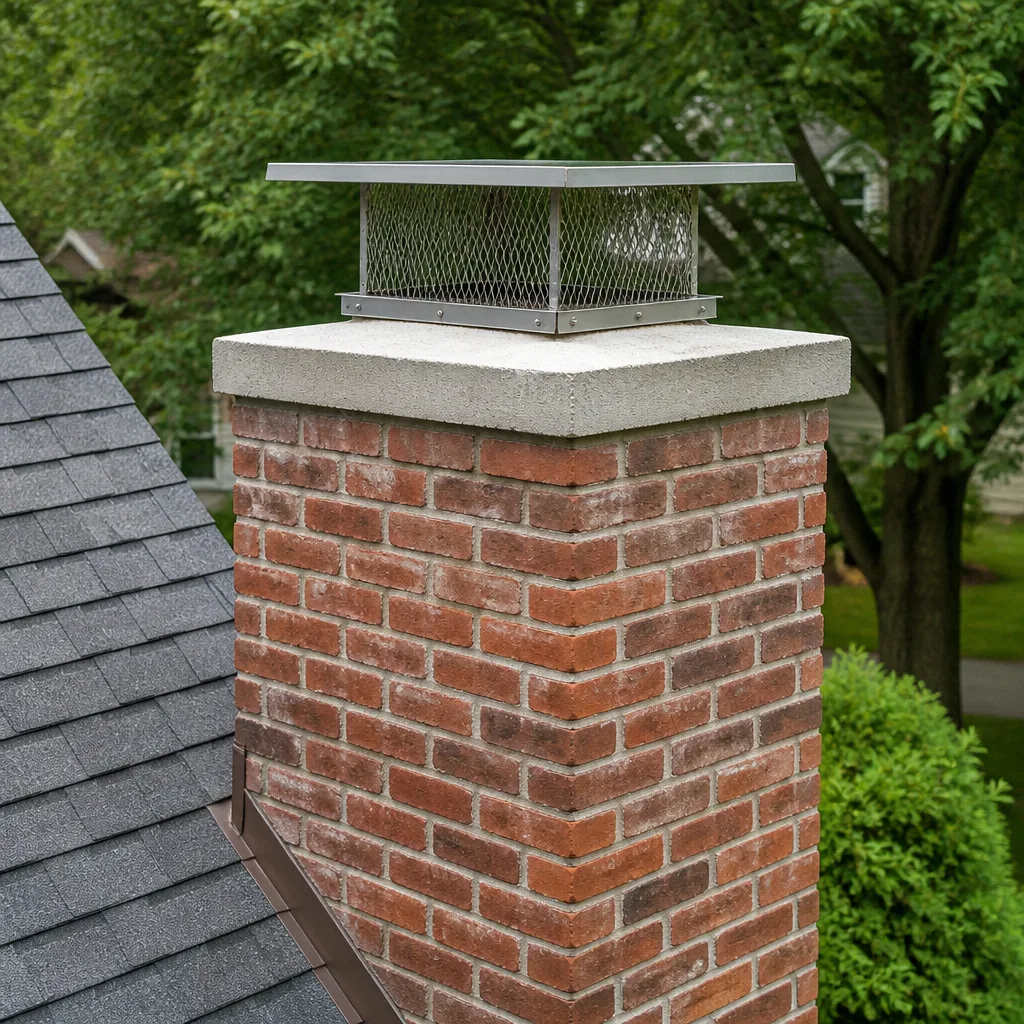 Caps & crowns
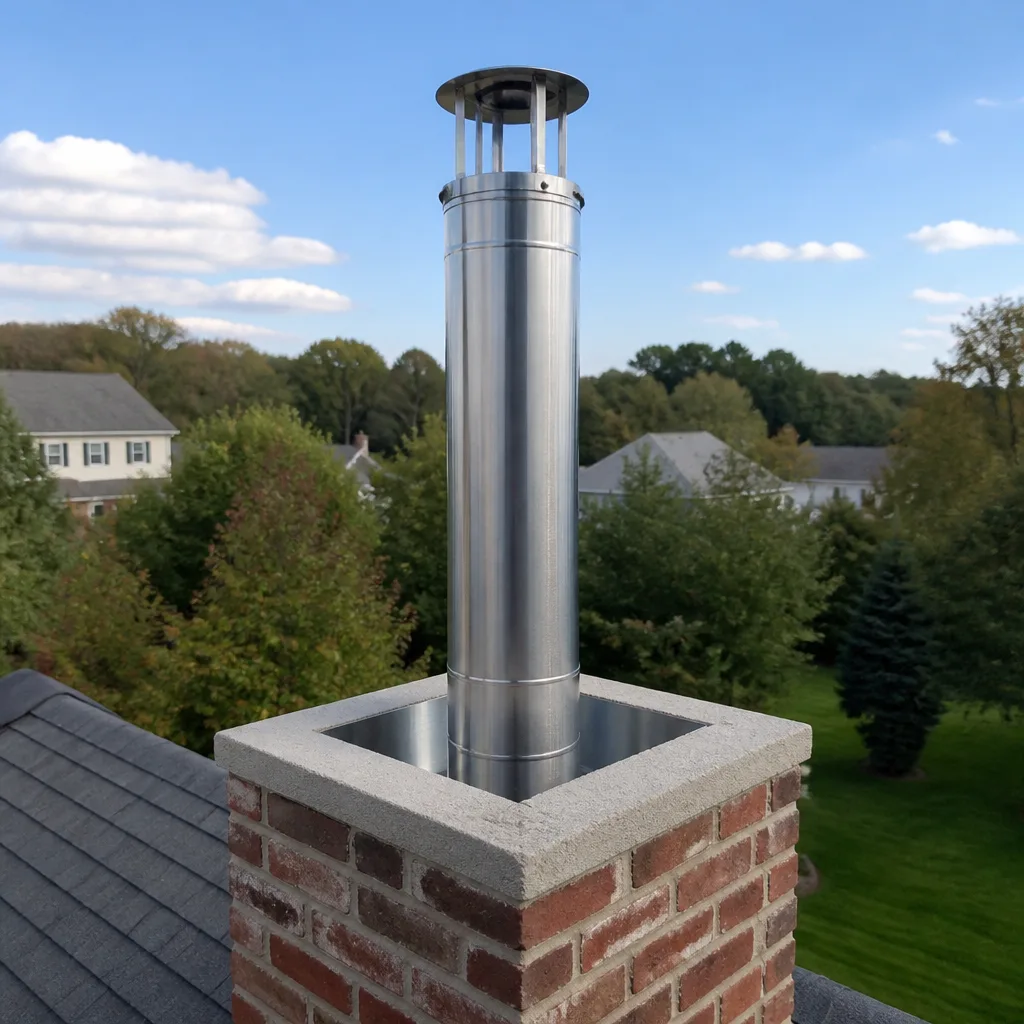 Flue relining
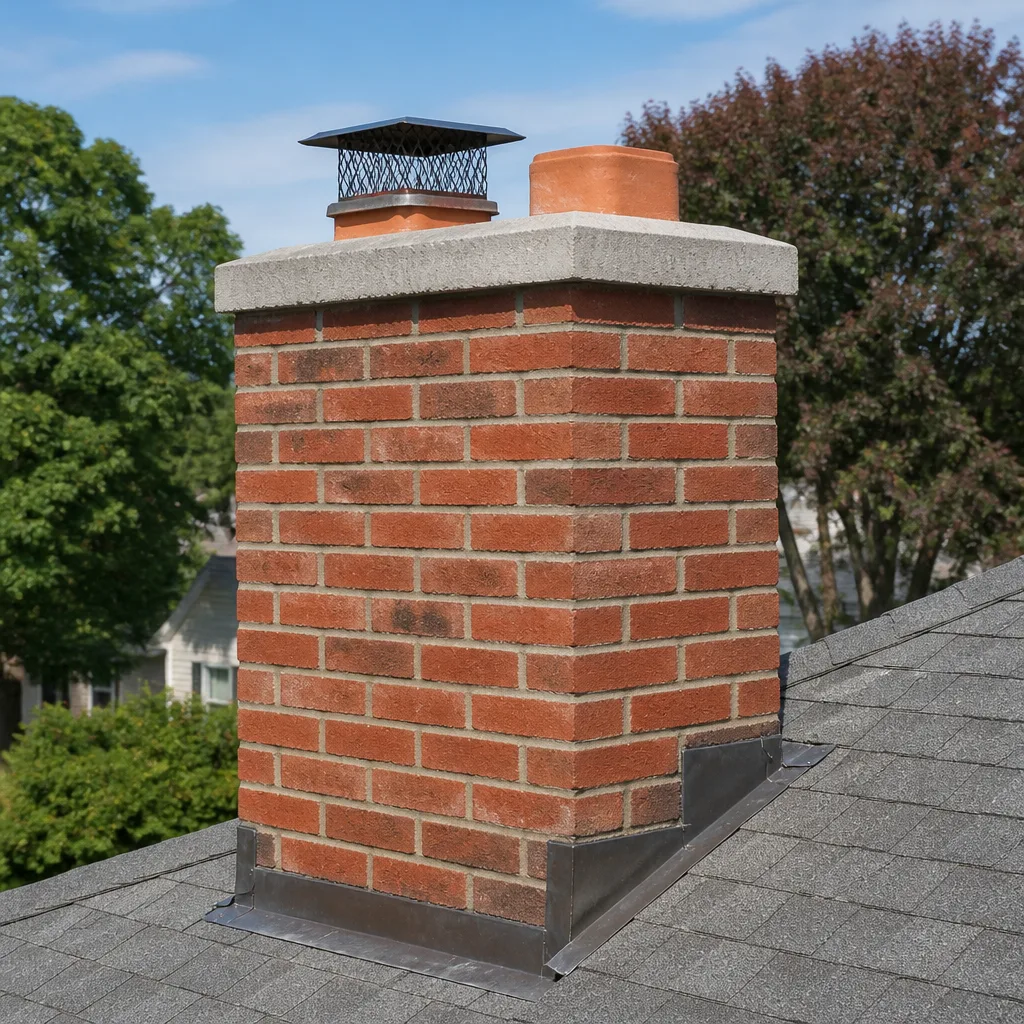 Masonry repair
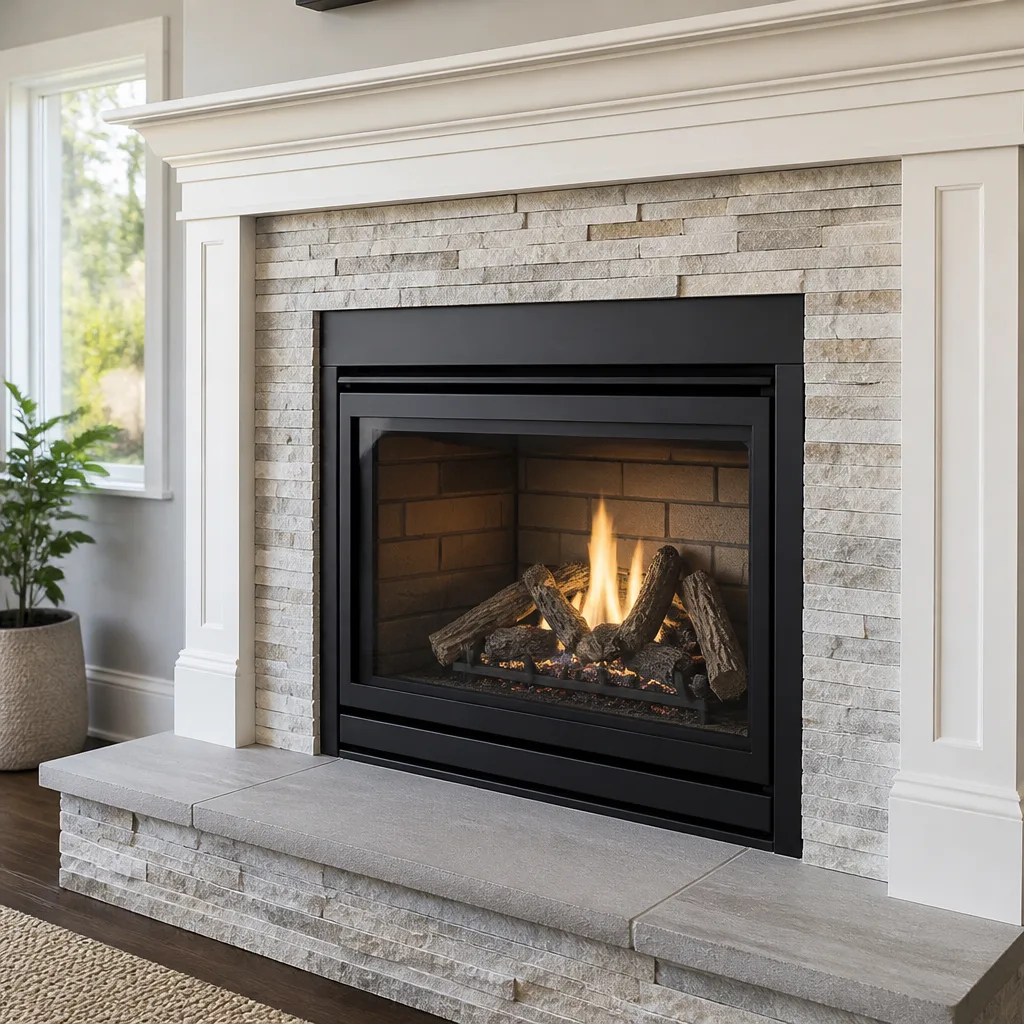 Gas fireplace service
Level 1 sweep and inspection to the NFPA 211 annual standard - flue, crown, cap, and flashing checked and photographed
Chimney sweep logs do not sweep chimneys. They loosen some creosote - which then falls where a brush and vacuum still have to collect it.
Chimney Cleaning Permits, Codes & Inspections in Alief, TX: What You Need to Know
Here’s the part of chimney work nobody mentions at the closing table: a fire in a flue that was relined or rebuilt without the required permit can leave a hole in your homeowner’s coverage, and that gap usually surfaces years later, during a claim or a resale inspection. Cleaning and inspection are one thing. Structural work, liner replacement, and appliance installation are another, and in Harris County those lines are drawn by permit rules most Alief homeowners never hear about. This guide separates the two, explains what NFPA 211 actually is and how Texas code enforcement leans on it, shows you how to confirm a permit was pulled before anyone starts, and tells you who to call if you inherit unpermitted work in Alief.
Quick Answer
Routine chimney sweeping and inspection in Alief generally do not require a permit. Relining a flue, rebuilding a chimney structure, or installing a new wood or gas appliance usually does, because those jobs fall under the building code Harris County enforces, which leans on NFPA 211 as the technical standard. Always confirm permit requirements with the city or county before work begins.
Styles & brands we work with
- Sweep & inspection
- Caps & crowns
- Flue relining
- Masonry repair
- Gas fireplace service
Table of Contents
- What Chimney Work Needs a Permit in Alief, TX?
- What Is NFPA 211, and Why Does It Matter Here?
- Level I vs. Level II Inspections: Which Do You Actually Need?
- How to Verify a Contractor Pulled the Right Permit
- Resale and Insurance: When Unpermitted Work Comes Back to Bite
- Checking Permits on Work a Previous Owner Did
- Why an Inspection Should Stand on Its Own
- How Alief Weather and Housing Shape Chimney Wear
What Chimney Work Needs a Permit in Alief, TX?
Cleaning and inspection don’t require a permit. Anything that changes the structure of the chimney or the flue system usually does. That is the short version, and it holds across most of Texas, including Alief. The trouble is that the line between “maintenance” and “construction” is not obvious from the outside, and some contractors blur it, either by accident or to keep a job moving.
Think of it this way: if a technician is removing creosote and checking components, you’re in maintenance territory. If a technician is cutting, rebuilding, pouring a new crown, installing a new liner, or setting a new appliance, you’ve crossed into work that the local building authority typically wants to see a permit for. The exact triggers live in the adopted building code your jurisdiction enforces, so the definitive answer for any specific job comes from the building department, not from a website.
Where the Line Generally Falls
- Usually permit-exempt: sweeping, Level I and Level II inspections, cap replacement, minor masonry tuckpointing on the crown, and routine fireplace repair that doesn’t alter the flue.
- Usually permit-required: a full reline, a partial flue rebuild, structural masonry repair, chase reconstruction, and installation of a new solid-fuel or gas appliance and its venting.
- Case by case: crown rebuilds that change height or profile, and repairs that involve cutting into framed structure near the chimney.
Because “usually” isn’t good enough when your insurance is on the line, we tell every Alief customer the same thing: call the building department with the specific scope of work before anyone swings a hammer. It takes five minutes and it removes all doubt.
What Is NFPA 211, and Why Does It Matter Here?
NFPA 211 is the national standard for chimneys, fireplaces, vents, and solid-fuel-burning appliances. It’s not a law you can be cited under directly, but it’s the technical backbone that most Texas code enforcement relies on when deciding whether a chimney system is safe and compliant. In plain terms, NFPA 211 tells inspectors and code officials what “correct” looks like: clearances to combustibles, liner condition, cap requirements, and how appliances must connect to the flue.
When a municipal inspector looks at a relined chimney and asks whether the liner material is appropriate for the appliance, they’re working from NFPA 211. When an insurance adjuster asks whether a fire started because insulation sat too close to a single-wall connector, that’s the same standard. NFPA 211 is the reason a professional liner material matters. It’s also the reason we work with brands like HeatShield for flue resurfacing and Gelco and Olympia Chimney components for venting – these are materials built to meet the standard, not to undercut it.
Why This Standard Matters for Alief Homeowners
Alief has a lot of older housing stock, and some of it has been renovated more than once. When a chimney was relined decades ago, or a fireplace insert was added by a previous owner, there’s no guarantee the work followed NFPA 211 at the time. On a home inspection, a chimney that doesn’t meet clearances or has an unlined flue can stop a sale cold. Knowing what NFPA 211 is gives you the language to ask the right questions before it does.
You don’t need to memorize the standard. You need to know it exists, that a Level II inspection evaluates against it, and that any contractor who shrugs when you mention it is telling you something about how they work.
Level I vs. Level II Inspections: Which Do You Actually Need?
Most homeowners in Alief need a Level I inspection during routine annual maintenance. You need a Level II when something has changed – a new appliance, a property sale, a change in how the fireplace burns, or after a chimney fire or a significant weather event. The difference isn’t upsell; it’s scope, and it’s defined in NFPA 211.
What Each Inspection Covers
- Level I: A visual check of readily accessible portions of the chimney and flue, plus the appliance connection. It’s the standard annual look – no special tools required beyond a flashlight and basic inspection gear.
- Level II: Everything in a Level I, plus accessible attic, crawl space, and any concealed areas, typically with a camera to see inside the flue. This is the inspection a home sale usually calls for, and the one that catches a hidden cracked liner.
- Level III: Rare and diagnostic. It may involve removing parts of the chimney or structure to find a problem that can’t be seen otherwise. We don’t recommend one unless there’s a specific reason.
In our experience, Alief homes being sold or refinanced almost always need a Level II, because the buyer’s lender or inspector wants documentation of the flue condition. That’s why we offer inspections as a standalone service – you can get the report you need without being pushed into repair work you didn’t ask about. If a technician tells you a Level II is required, ask which of the triggers above applies. If they can’t name one, get a second opinion.
How to Verify a Contractor Pulled the Right Permit
You don’t wait until the work is finished to check on permits. You check before the first day of work, and you do it in a specific order. The permit should be visible, the scope on it should match the job, and the name on it should be the contractor doing the work – not the homeowner and not someone else entirely. This is the single most common failure we hear about from Alief homeowners who come to us after a bad experience.
Step-by-Step Verification
- Ask for the permit number in writing before the contract is signed. Any legitimate contractor pulling permits will have a system for this.
- Call the permitting authority to confirm the number is real and open. A phone call takes minutes. Confirm that the permit is active and hasn’t been withdrawn.
- Check that the name on the permit matches the licensed professional doing the work. Some contractors pull a permit under a different entity. Ask why if it doesn’t match.
- Confirm the scope matches your job. A permit for a cap replacement doesn’t cover a reline. If the scope on the permit is narrower than what’s being done, that’s a red flag.
- Ask for the inspection schedule. A permitted job usually requires an inspection at completion. Ask who’s responsible for scheduling it and confirm it gets done before final payment.
The final inspection record is the paperwork you want in your file at resale. If no inspection was ever scheduled, you may have a permit in name only. For the Alief homeowner, that’s the difference between clean title and a problem discovered three years later.
Resale and Insurance: When Unpermitted Work Comes Back to Bite
Two moments is when unpermitted chimney work surfaces: when you file a claim after a chimney-related fire, and when a buyer’s home inspector probes the flue during a sale. Both are expensive, and both are avoidable. Insurance carriers routinely review whether work that affects a fireplace or flue system was permitted and inspected. If a fire originates in a system that had unpermitted structural work, the carrier may deny part or all of the claim, or move to exclude the system from your policy entirely. That’s not a scare story – it’s how coverage reviews work when there’s a permit gap.
On the resale side, the buyer’s inspector will likely flag an unlined or improperly lined flue, a missing cap, an appliance without a permit record, or a crown that’s cracked. Any of these can slow the sale or force a price reduction. In Alief, with a lot of homes trading hands across multiple owners, permit history is often the piece that’s missing. The seller can’t find it, the county can’t produce it, and no one can verify whether the liner was installed correctly.
What We Tell Every Alief Customer
Get the paperwork done before you need it. The cost of pulling a permit and passing inspection at the time of the work is small compared to the cost of resolving a permit gap during a sale or after a fire. If you can’t verify that previous work was permitted, a Level II inspection is the honest way to find out what’s actually in the flue before it’s someone else’s problem to solve.
Checking Permits on Work a Previous Owner Did
You can check whether a permit was pulled for prior work. You don’t need the contractor’s help, and you don’t need to have lived in the house when the work was done. The path is straightforward, and it applies whether you bought the home last year or inherited it.
How to Check Permit Records in Alief
- Contact the city or county permitting authority and ask for a permit history on your address. Building departments maintain records by address, not by contractor, so your address is the starting point.
- Ask specifically about chimney, flue, or fireplace permits. Permits are often filed under a broader category like “residential alteration” or “mechanical,” so name the whole scope, not just “chimney.”
- Request the inspection record as well. A permit that was never inspected is worth less than people think. Ask for the final inspection sign-off, not just the permit issuance.
- If the record is missing or unclear, get a Level II inspection to document what’s actually there. An inspection report will tell you if the flue, crown, and appliance connection are compliant with current standards, regardless of what happened before you owned the home.
We’ve helped Alief owners through this process more times than we can count. Sometimes the paperwork is there and the work is fine. Sometimes it isn’t, and the inspection is how we find out before there’s a claim or a sale on the line. What you don’t want is to learn the answer from a buyer’s inspector.
Why an Inspection Should Stand on Its Own
The whole point of an inspection is to find out the truth about what’s in your flue. If the inspection is really just the first step of a sales pitch, it’s worth less than nothing, because you can’t trust the answer. That’s why we offer chimney sweep Alief and inspection as standalone services, without bundling the two as a sales tool. A homeowner should be able to get an honest assessment and think about it before deciding what to do.
Here’s what separates a real inspection from a sales call:
- The report describes what was found, in plain terms, with photos or video where possible.
- Any recommended repair is tied to a specific condition, not a general “it’s overdue.”
- Findings that aren’t urgent are labeled as not urgent, with a timeline for when they should be addressed.
- You’re given the report whether or not you book the follow-up work.
In our experience, the repairs that matter most – a cracked flue liner, a deteriorated crown, a missing cap – are the ones that show up in the inspection whether the company doing the inspection also does repairs or not. Honest work is honest either way. If you’re ever pressured on the spot to authorize thousands of dollars of work based on a photo of something you can’t see, that’s your signal to slow down.
One more thing: if the crown is in rough shape, you don’t need to guess. Crown work is one of the most common repairs we handle, alongside chimney cap & crown services. Those two components are also the two most common sources of water intrusion – so a crown or cap issue isn’t about cosmetics, it’s about keeping water out of the chimney system year after year.
How Alief Weather and Housing Shape Chimney Wear
Alief winters are mild, and that’s exactly why chimney problems can go unnoticed here. With fewer hard freezes than the northern part of the state, the seasonal signal that tells a homeowner to call is missing. Someone who burns a fire a dozen times a year in Alief may go several seasons without thinking about the flue, and then discover at inspection that a cap has been missing, moisture has been getting in, and the crown has started to crack. Mild winters don’t prevent chimney wear. They just hide it.
The other local factor is housing age. Alief has a lot of homes that have been through multiple renovation cycles. A house that had a fireplace insert added, a chase re-sided, and a roof replaced across three different owners is a house where the chimney history is written in layers, and not all of them are documented. That’s the practical reason permits and inspection records matter more in Alief than in a neighborhood where every home was built in the last fifteen years.
What Actually Ages a Chimney Here
- Moisture from a failed cap or a cracked crown, which slowly works into the masonry and the flue liner.
- Creosote buildup from any appliance used seasonally, whether it’s a fireplace or a wood stove.
- Nesting animals getting into an uncapped flue, which is a common spring and summer problem in this climate. The cap is doing two jobs: keeping water out and keeping wildlife out.
- Original materials aging out – clay tile liners that held up fine for decades but are now cracked or spalling.
None of this is a reason to panic. It’s a reason to have a pro look at the system once a year, ideally before the heating season, so you know what you’re dealing with. A chimney sweep in the fall catches most of this. A cap and crown repair catches the rest, if it’s done before the water damage spreads.
Common Mistakes to Avoid
- Assuming a permit is only needed for a full rebuild. A reline is often the trigger, and many Alief homeowners don’t hear the word “permit” until the work is already done. Ask the contractor to name the specific trigger before signing.
- Accepting a verbal “we’ll pull it.” Get the permit number in writing. A verbal promise without paper is exactly the gap that causes problems at resale.
- Confusing a permit with an inspection. A permit that was never inspected has limited value. Ask for the final inspection record, not just the permit number.
- Letting an inspection turn into an on-the-spot purchase. If you can’t see the evidence, ask for it in writing and take a day. The repair isn’t getting more urgent in the next 24 hours if it wasn’t urgent before the visit.
- Skipping the pre-sale inspection until the buyer’s inspector forces it. A Level II inspection before listing is cheap compared to the concessions a buyer will ask for once an issue is in their report.
- Ignoring a missing cap or cracked crown because “there’s no draft problem.” Those issues show up as water damage and animal intrusion long before they show up as draft problems in Alief’s mild climate.
- Trusting “it’s already been done” without paper. Previous-owner work is exactly what a permit check will surface. If the record is missing, an inspection is the answer.
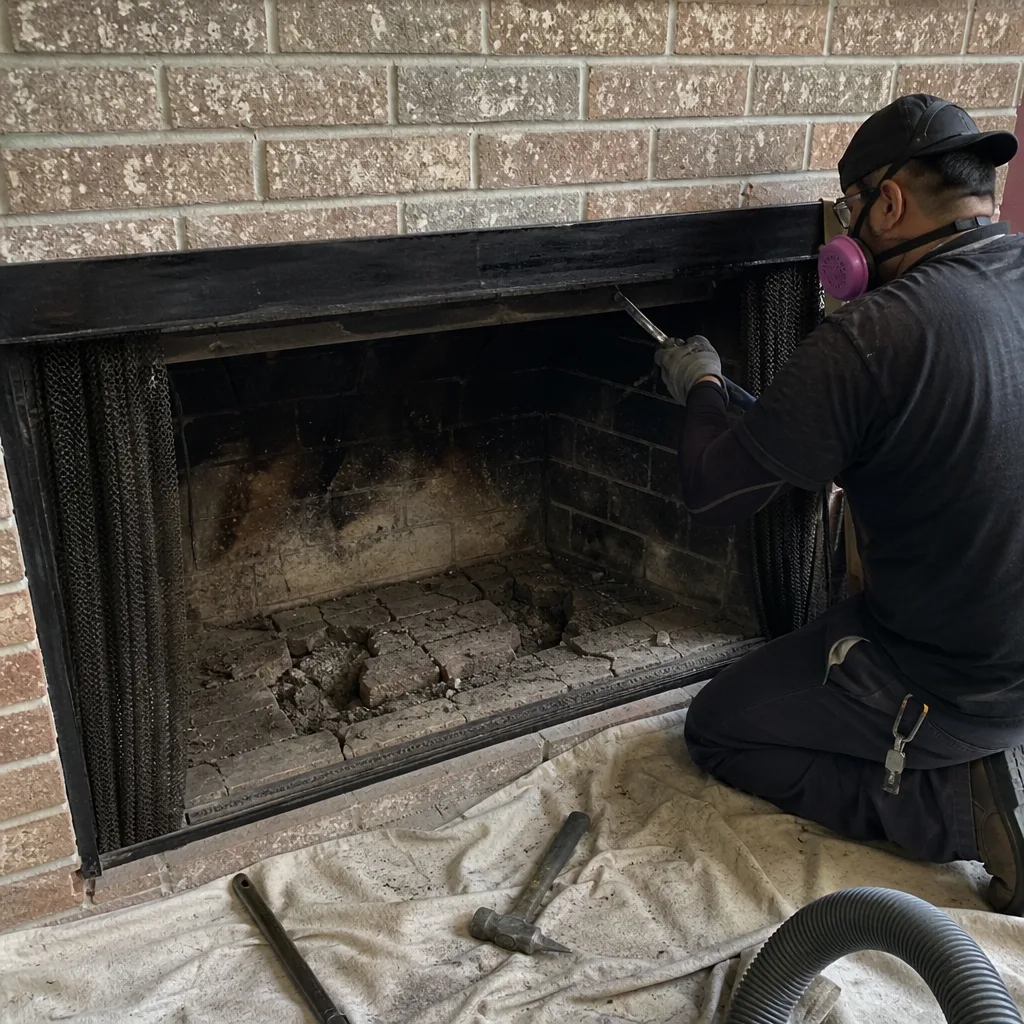
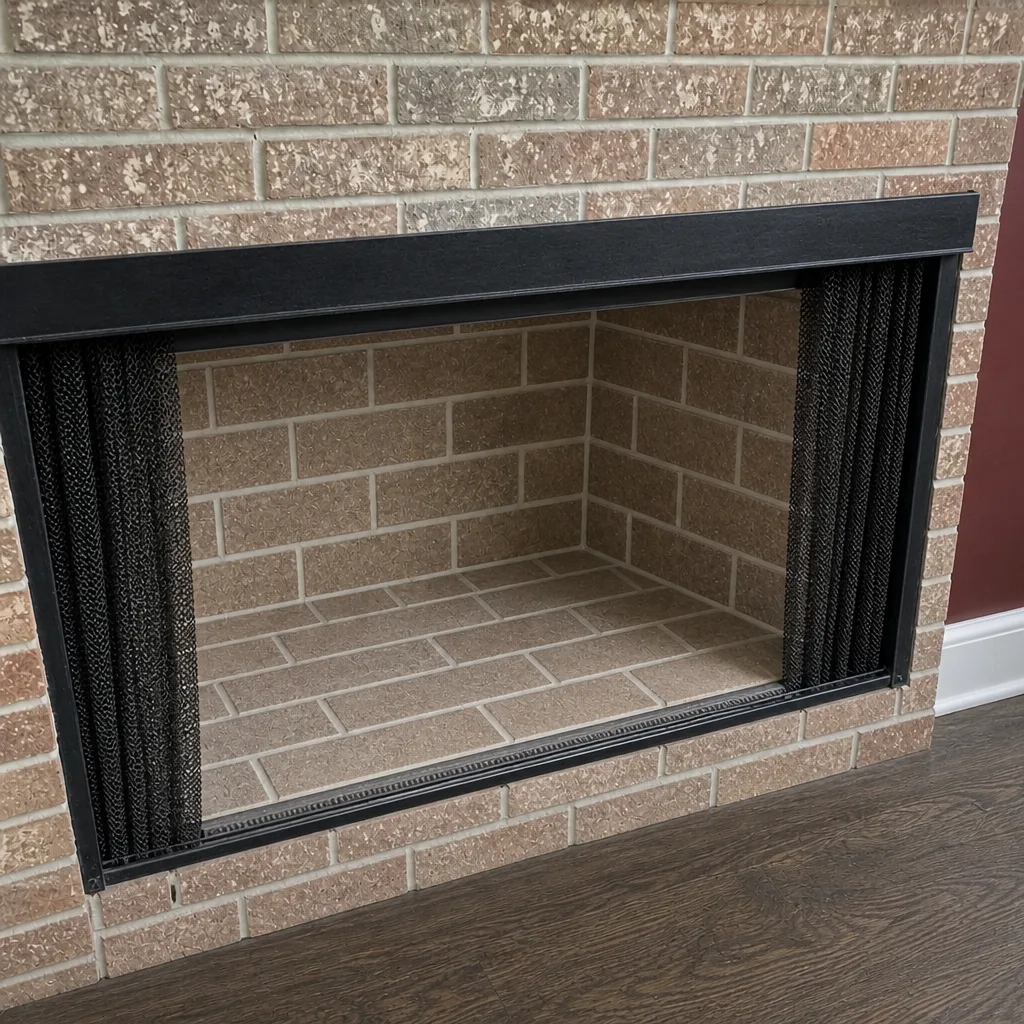
See the difference
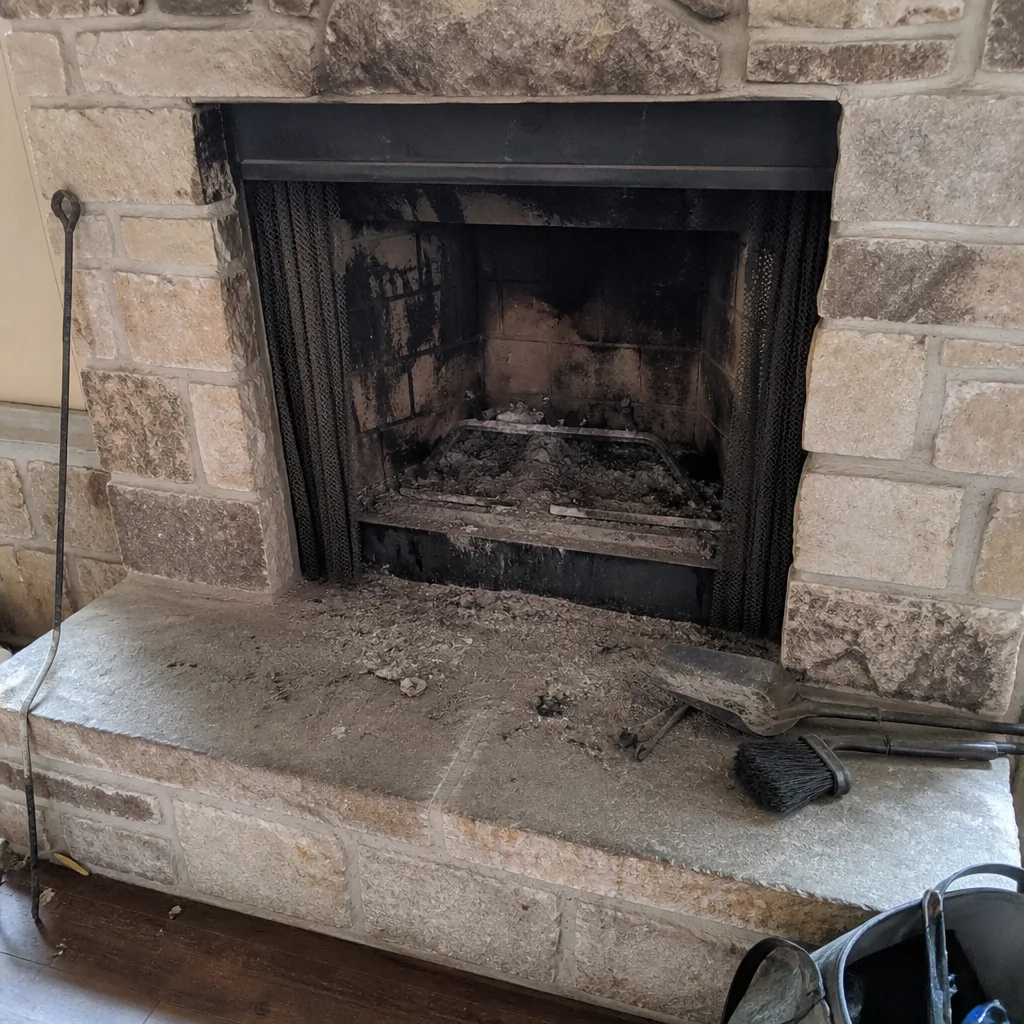 Before
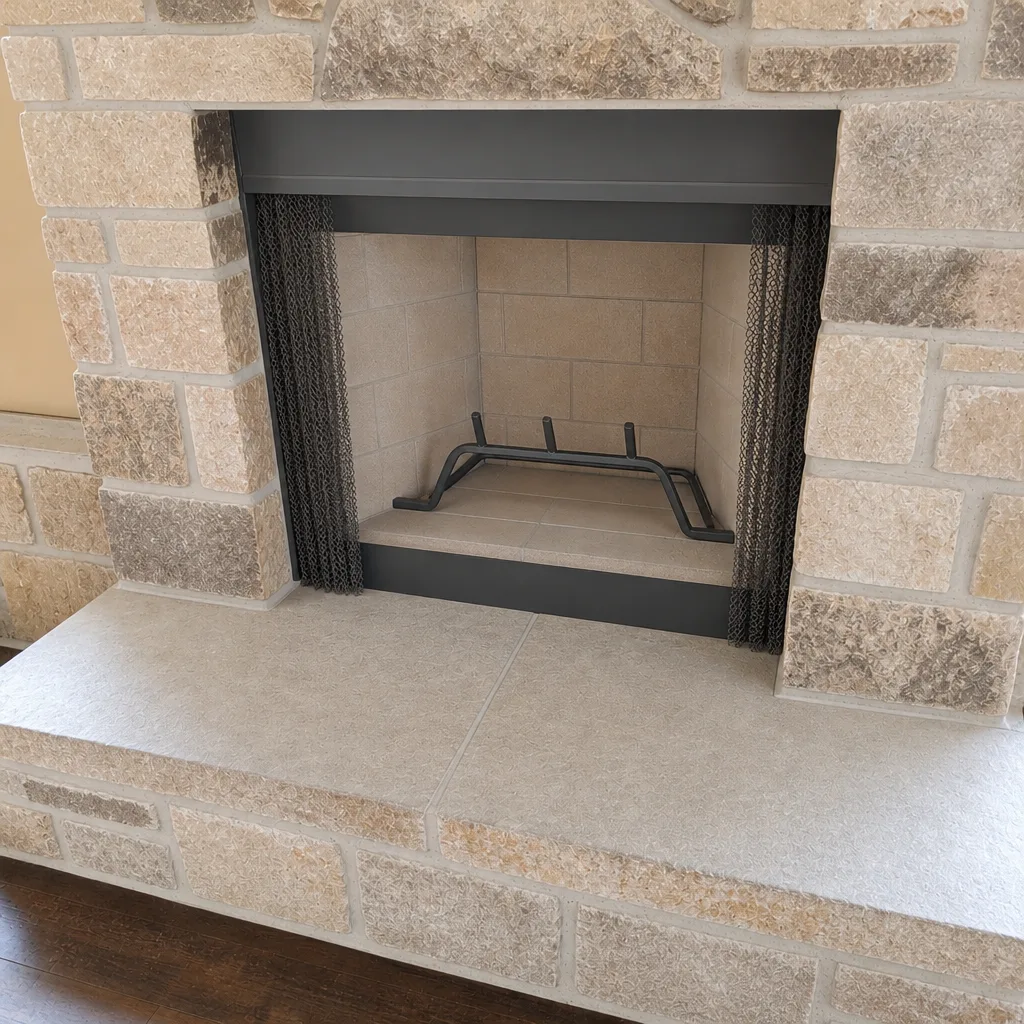 After
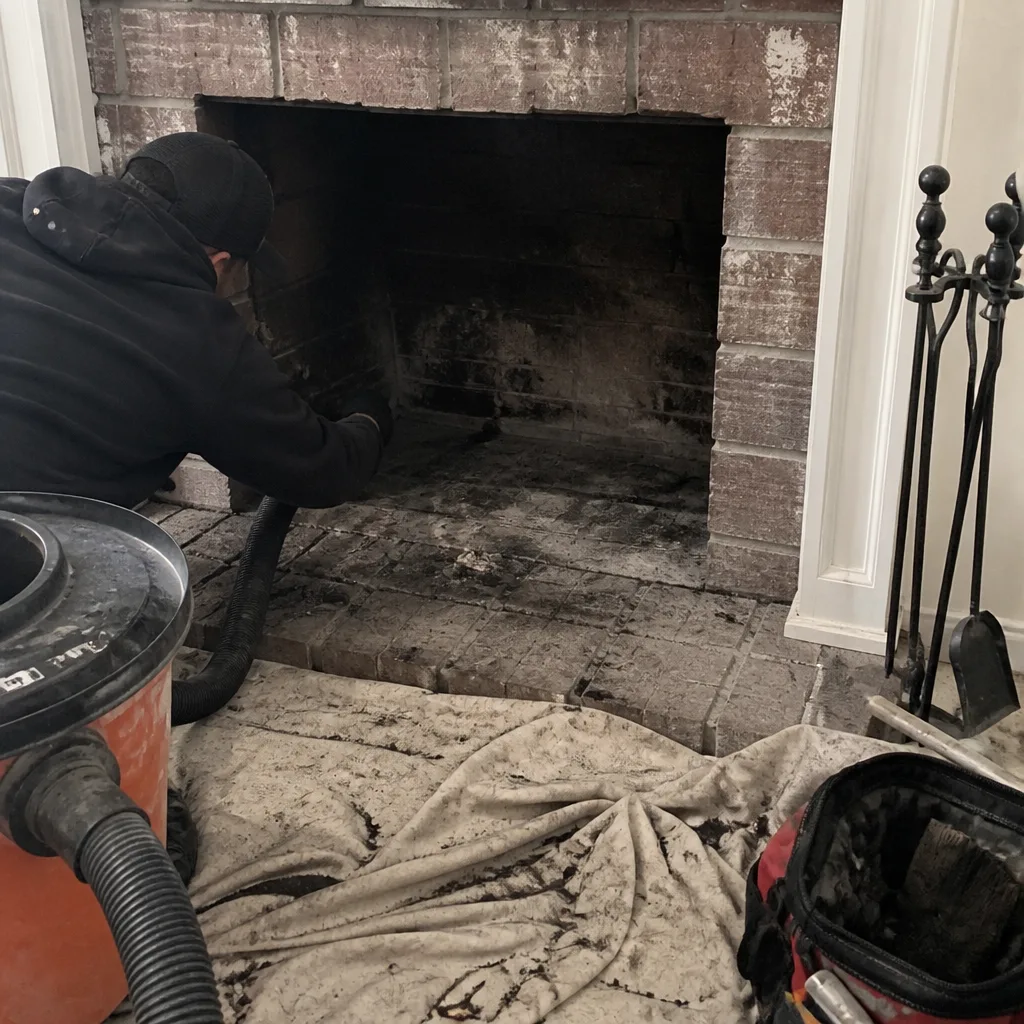 Before
 After
 Before
 After
When to Call a Professional
Call a professional before structural or flue work begins – not after – so you know whether a permit is required and who’s pulling it. Call after a chimney fire, a sudden drop in draft, or visible water damage around the chimney or crown. Call before a home sale, because a Level II inspection documents what buyers will want to see. And call if you inherit a home where the chimney history isn’t clear. We handle inspections, sweeping, cap and crown work, fireplace repair, and chimney repair under one roof so you don’t need to source a second contractor. Chimney Sweep Alief offers free estimates in Alief – call (855) 337-1823. Our technicians have up to 9 years of experience, and we’ll tell you honestly whether the work can safely wait.
Frequently Asked Questions
No. Routine chimney sweeping and standard inspections typically don’t require a permit in Alief. Permits come into play when the work changes the structure of the chimney or the flue, such as a reline, a rebuild, or a new appliance installation. Call (855) 337-1823 for an exact scope and we’ll help you figure out whether your job crosses that line – estimates are free.
Ask for the permit number in writing before work begins, then call the permitting authority to confirm the permit is real and active. Check that the name on the permit matches the licensed professional doing the work, and confirm the scope covers the actual job. Ask for the inspection schedule too, since a permitted job usually requires a completed inspection. Call (855) 337-1823 if you’re not sure what to ask the building department.
The safest path is to check permit records for your address with the city or county, then get a Level II inspection to document the actual condition of the flue. If permits are missing and the work looks compliant on inspection, you may just have a paperwork gap to note at resale. If the flue itself is compromised, you’ll want to know before you have a sale or an insurance claim on the line. Call (855) 337-1823 to schedule an inspection.
NFPA 211 is the national standard for chimneys, fireplaces, vents, and solid-fuel appliances. Texas code enforcement leans on it as the technical reference for what compliant work looks like. You don’t need to read it, but you should know it exists and ask any contractor whether their work meets it. Call (855) 337-1823 if you want an honest answer about your system.
Once a year is the standard recommendation for a home with an active fireplace or wood stove, with a sweep as needed based on what’s found. A Level II inspection is the right call before a sale, after a chimney fire, or when you change appliances. Call (855) 337-1823 to book an inspection – the estimate is free.
Creosote builds up, a failing cap or crown lets water in, and small cracks can grow into condition problems you don’t see until there’s smoke in the room or damage at resale. None of that is a reason to panic; it’s a reason to have the system looked at once a year. Call (855) 337-1823 and we’ll tell you what your chimney actually needs – and what it doesn’t.
The Bottom Line
Cleaning and inspection are the simple part. The permit line is what catches Alief homeowners off guard – routine sweeping doesn’t need one, but relining, structural repair, or new appliance installation usually does, and that permit is what protects you at resale and after a claim. NFPA 211 is the standard behind the enforcement, Level II inspections are the honest way to document what’s actually in your flue, and a written permit number is what you should see before work starts. If the history of your chimney is unclear, get it inspected before someone else’s inspector does it for you. We’re here for the whole system, from annual sweep to cap, crown, and liner repair.
Call (855) 337-1823. We answer 24/7. Fast dispatch from 7am to 7pm, Sunday through Friday.
Written by the team at Chimney Sweep Alief.