
Last updated November 24, 2026
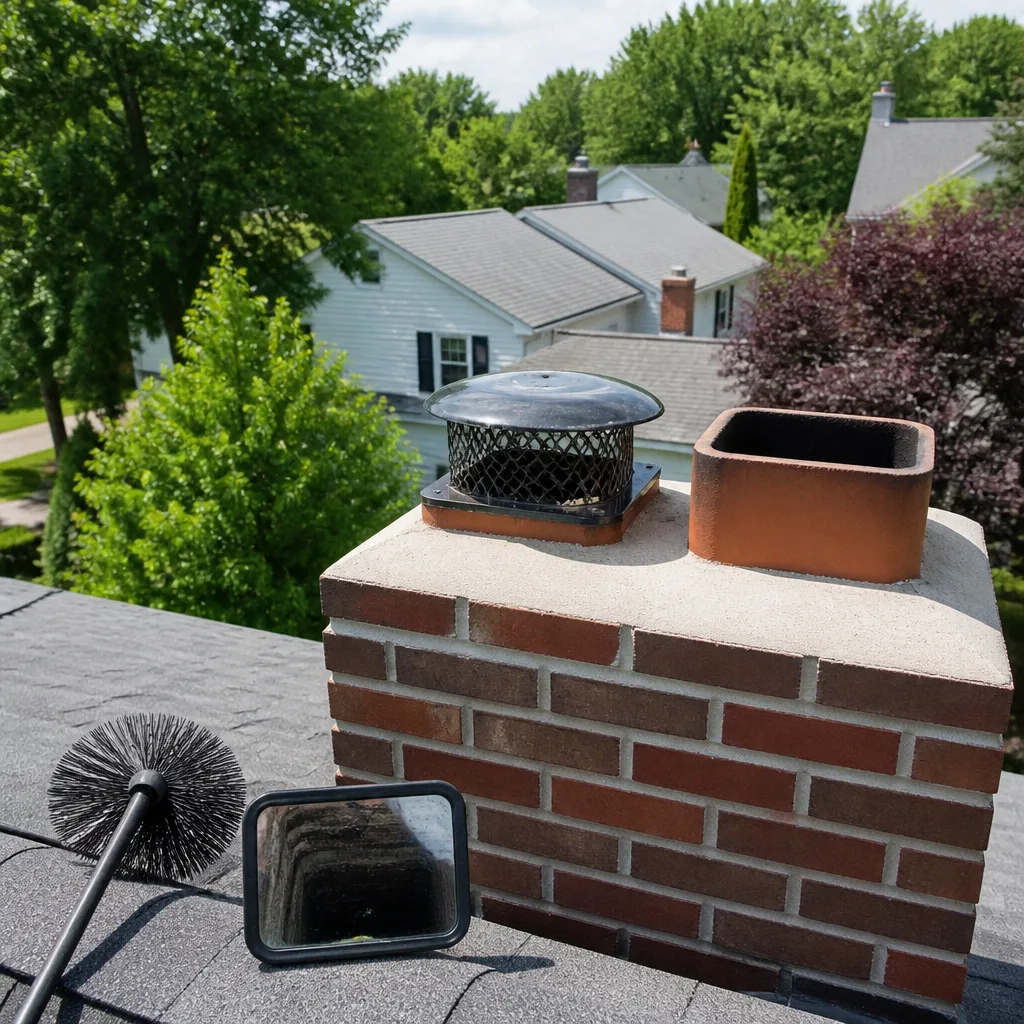 Sweep & inspection
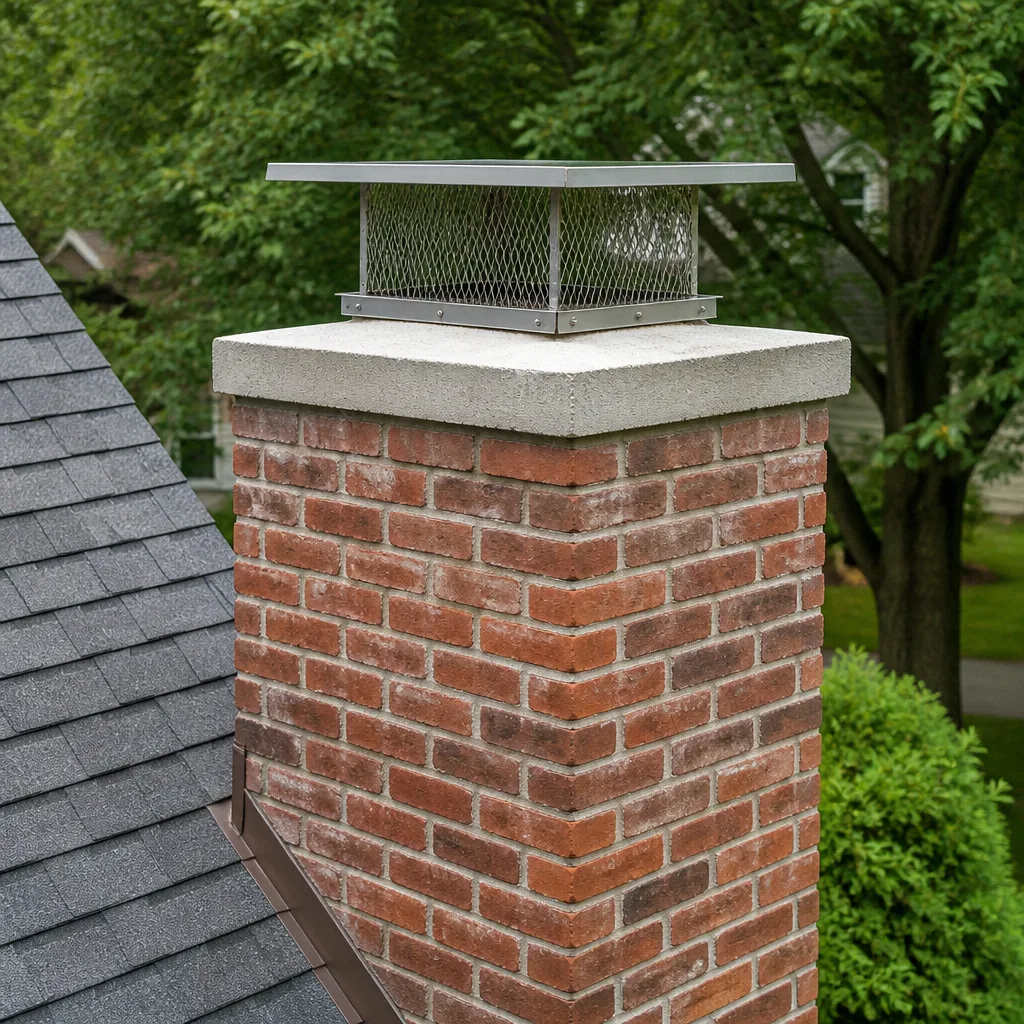 Caps & crowns
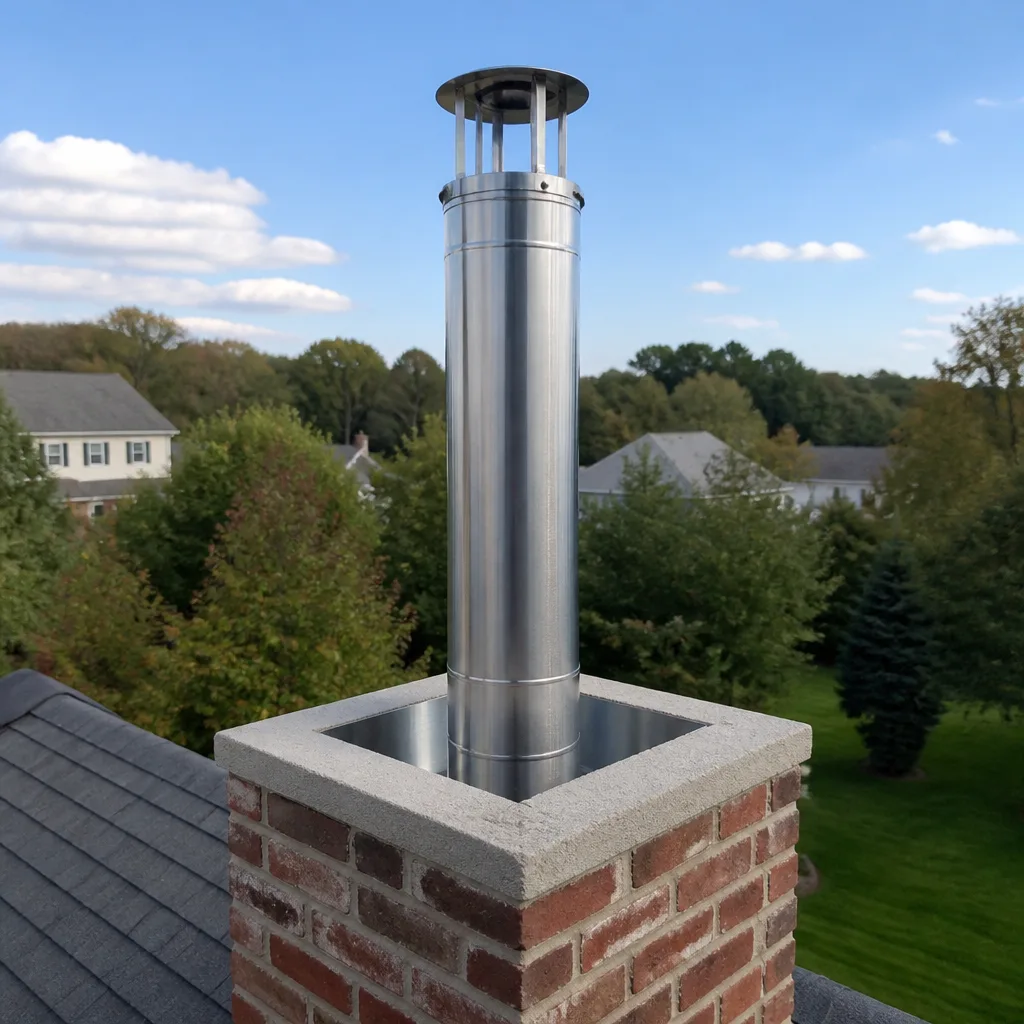 Flue relining
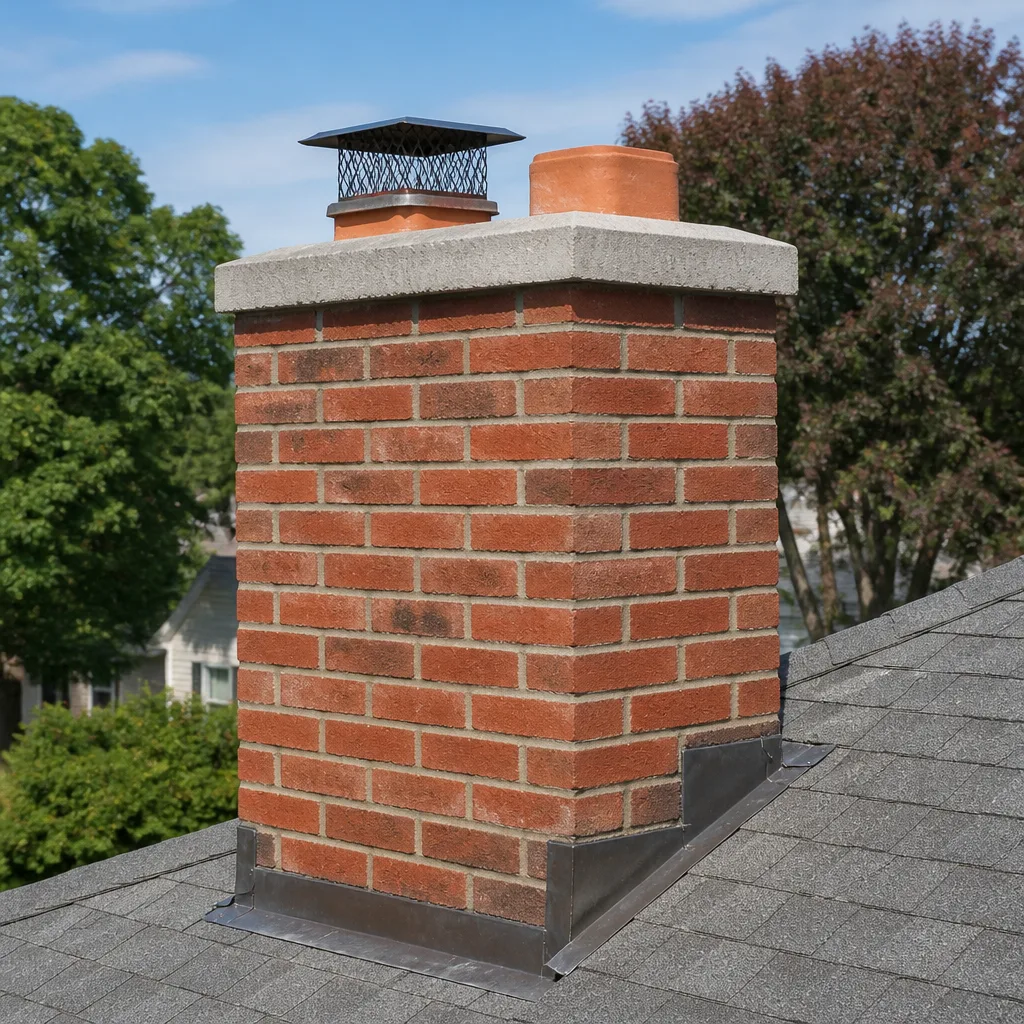 Masonry repair
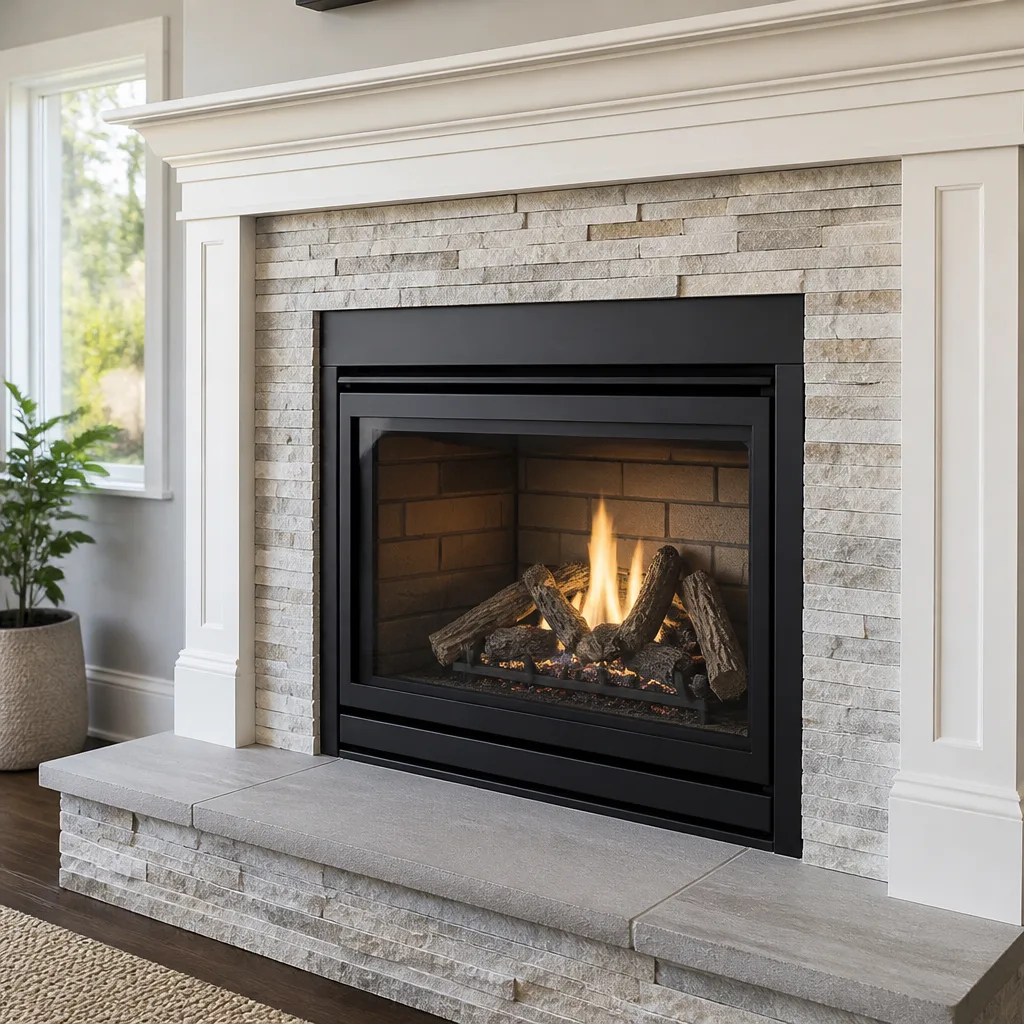 Gas fireplace service
Level 1 sweep and inspection to the NFPA 211 annual standard - flue, crown, cap, and flashing checked and photographed
Chimney sweep logs do not sweep chimneys. They loosen some creosote - which then falls where a brush and vacuum still have to collect it.
Chimney Cleaning Emergency Preparedness Guide for Alief Homes
Most homeowners think they’ll know a chimney fire when it happens. In our experience, that’s the most dangerous assumption in the house. A chimney fire can reach temperatures near 2,000°F and move into the surrounding structure in under three minutes, and the cues from inside a living room are not dramatic flames. They’re a low roar, a tapping sound, a smell that doesn’t match the fire you built. Alief’s short burning season works against you here: fires get lit only a few weeks a year, so families never build the instincts that come from daily use. This guide walks through what a chimney emergency actually looks and sounds like, what to do in the first sixty seconds, how to catch carbon monoxide before it catches you, and what has to happen after the fire department leaves. Read it once before the season starts, not during one.
Quick Answer
A chimney fire is an emergency the moment you suspect one: call 911, get everyone outside, and close the damper and glass doors only if you can do it safely without reaching into a hot firebox. Do not open the damper wider, do not throw water into the firebox, and do not go back inside for belongings. After any chimney fire, the chimney cannot be used again until a Level 2 inspection confirms the flue, connections, and surrounding structure are intact.
Styles & brands we work with
- Sweep & inspection
- Caps & crowns
- Flue relining
- Masonry repair
- Gas fireplace service
Table of Contents
- How Do You Recognize an Active Chimney Fire From Inside the Home?
- What to Do in the First 60 Seconds of a Chimney Fire
- What NOT to Do During a Chimney Fire
- Carbon Monoxide Risk in Alief’s Short Burning Season
- What to Tell the Fire Department and What They’ll Ask
- After the Fire: Why a Level 2 Inspection Is Mandatory
- Building a Chimney Emergency Kit for Your Alief Home
- How to Prevent the Emergency Before It Starts
How Do You Recognize an Active Chimney Fire From Inside the Home?
An active chimney fire rarely looks like a bonfire in your fireplace. The flames are often up in the flue where you can’t see them, which is why sound and smell are your earliest and most reliable alerts. Homeowners who have called us after an event almost always describe sensory signals first and visible flames last, if at all. If two or more of the signs below line up with a fire currently burning, assume it’s a chimney fire and act.
Sounds you might hear from inside:
- A low, rumbling roar that sounds like a distant train or a jet passing overhead
- Loud popping and cracking, almost like fireworks or the sound of a fire sucking air
- Tapping, clicking, or a metallic rattling from inside the flue, sometimes described as a “breathing” sound
- A sudden whooshing noise right after you’ve added wood
Smells that shouldn’t be there:
- A hot, acrid, almost chemical smell that doesn’t fade when the damper is open
- The smell of burning creosote, which is sharper and darker than normal wood smoke
- Smoke that spills into the room despite a normally strong draft
Visual signs from inside and outside:
- Flames or sparks visible at the top of the chimney when viewed from the yard
- Thick black or gray smoke pouring from the chimney cap that doesn’t thin out
- Creosote flakes or ash on the roof line or ground near the base of the chimney
- Discolored or warped metal on the chimney cap, damper, or stovepipe
One or two of these alone might be a normal draft issue. Several together while a fire is burning is a chimney fire until proven otherwise. Alief homes tend to have shorter flues on single-story ranches and older builds, which can hide the sight of a fire from the yard, so trust the sounds and smells as much as what you can see.
What to Do in the First 60 Seconds of a Chimney Fire
The first minute determines how much damage a chimney fire causes and, in the worst case, whether everyone gets out without injury. You do not need to fight the fire yourself. You need to get people out and give the fire department a clear picture. Here’s the sequence we walk homeowners through.
- Get everyone out of the house. Don’t stop for phones, pets, or coats. If a pet is inside and won’t come immediately, leave and tell the fire department where the animal was.
- Call 911 from outside. Say the words “chimney fire” in your first sentence. Then give your address clearly and stay on the line until the dispatcher tells you it’s fine to hang up.
- Close the fireplace glass doors or the firebox opening before you leave, if the fire is still fully inside the firebox and you can do it without reaching into a hot opening. This reduces the air feeding the fire.
- Close the damper if you can safely reach the control while you’re closing the glass. Closed, it starves the chimney fire of oxygen and slows it. If the handle is too hot to touch, leave it alone.
- Close the windows and doors behind you as you exit, so you’re not pulling air through the house into the chimney.
- Wait outside at the front of the home where the fire department can find you. Do not re-enter for anything.
Everything after this point is the fire department’s call. If the fire is small and confined, they may still want to inspect the roof and attic. If it isn’t, they’re trained for it. Your job is to have been outside and on the phone in the first thirty seconds.
What NOT to Do During a Chimney Fire
Some responses that feel instinctive are actually the wrong move and can make a chimney fire worse or put you in physical danger. These come up repeatedly in homeowner training and in the questions we get from Alief families after an event.
- Don’t open the damper further. More air is the last thing a chimney fire needs. Opening it wide feeds the fire and can turn a contained chimney fire into a rush of flame.
- Don’t pour water into the firebox. A sudden rush of water onto a 1,500°F chimney liner can crack or shatter it, and the steam that comes back into the room can scald you.
- Don’t go back inside for anything. Not a phone, not a pet, not paperwork. Once you’re out, you’re out.
- Don’t climb onto the roof. Chimney fires can push flames out the top with enough force to knock a ladder or a person off.
- Don’t throw a chimney fire extinguisher or a burning log down the flue unless a trained responder tells you to. The commercial chimney sticks you may have seen work by releasing a powder, but they don’t replace 911.
- Don’t dismiss the signs because the fire looks calm now. Chimney fires can smolder and re-flare hours later.
- Don’t light another fire before an inspection. The chimney is compromised until inspected, and a second fire in the same season is how small damage becomes a structural fire.
The trend we see with first-time fireplace owners is a strong urge to fight the fire themselves. That’s understandable, and it’s the wrong instinct. Every minute you spend trying to manage the fire is a minute you could have spent getting your family out and the firefighters en route.
Carbon Monoxide Risk in Alief’s Short Burning Season
Carbon monoxide is the quiet threat in any chimney system, and in Alief it’s compounded by how infrequently most fireplaces are used. A home that lights a fire six or eight times a year across the mild winter has little chance to build a baseline of what “normal” feels like. A blocked or cracked flue might go unnoticed until the symptoms show up. CO is odorless and invisible; the only reliable signals are physical, and they’re easy to misread.
When to suspect CO exposure:
- Headaches, dizziness, or nausea that show up within an hour or two of lighting a fire and fade when you leave the room
- Multiple family members feeling the same symptoms around the same time, which is unusual for a cold or flu
- Pets becoming lethargic or hiding shortly after a fire is lit
- Stuffy air, extra condensation on windows, or a “close” feeling in the room with the fireplace
- Soot falling from the damper area or a smoky smell in adjacent rooms
What to do if you suspect CO:
- Put out the fire if you can do so safely and stop using the fireplace immediately.
- Open the nearest windows and step outside with everyone in the home.
- Call 911 or the Texas Poison Center hotline if anyone has symptoms; you don’t need to be certain to ask for help.
- Do not re-enter until a responder or your gas utility clears the home.
- Book a chimney inspection before the fireplace is used again.
Every home with a fireplace or any gas appliance should have working CO alarms on each floor and outside every sleeping area. Alarms are the difference between catching CO in minutes versus after a night’s sleep. This is one of the reasons we treat a chimney sweep as safety work, not housekeeping: a blocked flue is spotted on the sweep before it becomes an event.
What to Tell the Fire Department and What They’ll Ask
The dispatcher and the responding crew will need specifics, and the more calmly you can provide them, the faster they can decide how to approach your chimney fire. Have this information ready before anything goes wrong; write it inside the cover of a homeowner folder and keep it near the front door. Here’s what the fire department typically asks and how to answer.
What to say on the call:
- “This is a chimney fire at [your address].” Say those two words first.
- The number of people and pets in the home and whether everyone is out.
- What you’re seeing: flames at the top, heavy smoke, discoloration, or nothing visible but sound and smell.
- Whether your fireplace is wood-burning or gas, and the type of chimney (masonry or factory-built metal).
- Whether the home has anyone with mobility issues or a CO alarm that has gone off.
What the responding crew will want when they arrive:
- Where the fire was last lit and how long ago it was burning
- Whether you’ve used the fireplace since the last sweep and roughly when
- Any recent work on the chimney, liner, or firebox, and who did it
- Whether the fireplace has a damper and whether it’s open or closed
- Access to the attic for inspection and, if needed, the roof
One thing that helps afterward: ask the responding crew for a written summary of what they found and any damage they observed. That record goes a long way when you’re talking to your insurer or booking a chimney inspection once things cool down. It’s also a useful paper trail for showing the next technician exactly what happened.
After the Fire: Why a Level 2 Inspection Is Mandatory
A chimney fire can look harmless once the flames are out and the smoke has cleared, which is exactly when it’s most dangerous. The heat from a chimney fire can crack the flue liner, warp a factory-built chimney section, loosen mortar joints, and let gases escape into the walls. None of this is visible from inside the firebox. That’s why a Level 2 inspection is required after any chimney fire before the system can be used again.
What a Level 2 inspection covers:
- A visual review of the accessible interior and exterior of the chimney, flue, and firebox
- Video scanning of the flue to look for cracks, gaps, spalling, and creosote glazing left behind by the fire
- Assessment of the liner’s condition and whether the flue is still sealed against the firebox
- Inspection of connections, joints, and surrounding combustibles in the attic
- Review of the chimney cap, crown, and storm collar for heat damage
- A written report with findings and recommended next steps
What we emphasize to homeowners after a chimney fire is that this inspection is not a sales tool. It’s the only way to know whether the chimney is safe to relight, needs a liner repair with a system like HeatShield, or needs partial replacement with something like a DuraFlex liner. A separate standalone inspection, not bundled into a sweep, is the honest way to make that call. If the inspection says the chimney is fine, use it again. If it says there’s damage, you have documented evidence you can see for yourself.
Building a Chimney Emergency Kit for Your Alief Home
A chimney emergency is a terrible time to be hunting for a flashlight or a phone number. A small, dedicated kit kept in the same spot every season removes the scrambling. Nothing here is expensive, and all of it is useful whether you’re facing a chimney fire, a CO alarm, or just a sudden draft problem.
What to keep in your chimney emergency kit:
- A bright flashlight with fresh batteries so you can see the chimney cap and the firebox in low light
- A fire extinguisher rated for wood fires, mounted near the fireplace, checked once a year
- A carbon monoxide alarm with a known expiration date (they have one, and it’s printed on the back)
- A copy of your chimney inspection report and the sweep date, in a waterproof sleeve
- Your fire department’s non-emergency number and our number, (855) 337-1823, written clearly
- Homeowner’s insurance policy number and your insurer’s claims line
- A small notebook and pen to note the time, what you saw, and who you spoke to
Keep the kit where you can grab it on the way out the front door, not in the garage. Alief’s milder winters mean you might not think about the kit for months at a time, so pick a fixed date once a year to check the batteries and the extinguisher gauge. Rehearse the response sequence with the family at least once, so nobody is guessing in a real event. A short drill with kids, even a five-minute walk-through of “get out, call 911, meet by the driveway” is worth every second.
How to Prevent the Emergency Before It Starts
Nearly every chimney fire traces back to creosote buildup that was never swept, a liner that had a small crack nobody checked, or a cap that came loose and let water damage the crown. The emergency is rarely sudden; it’s usually something that was building for a season or two. An Alief home that lights a fire only a few times a year is exactly the home where that buildup goes unnoticed, because there’s less smoke smell and less visible signal from frequent use.
The prevention routine we recommend:
- Book an annual chimney sweep before the burning season starts, whether or not you used the fireplace much last year.
- Do a visual check of the cap and crown every few months; a loose or damaged chimney cap & crown is one of the top causes of water damage and animal intrusion.
- Watch for smoke rolling back into the room when you light the first fire of the year; that’s a draft problem, and it can indicate a partial blockage.
- Get a Level 2 inspection every few years, or anytime you move into a new home, so you know what the liner looks like from the inside.
- Keep CO alarms on every floor and test them once a month.
- Call for fireplace repair as soon as you notice a cracked firebox brick, a broken damper, or a gasket that isn’t sealing the doors.
One more thing worth knowing: the brands that professional chimney sweeps install are the same ones we lean on. DuraFlex liners, HeatShield flue repair, and Copperfield and Famco components show up across Alief homes because they hold up to the heat cycling. If a repair is needed after an inspection, you’re getting a material that a certified sweep would specify, not a substitute.
Common Mistakes to Avoid
- Opening the damper wide during a suspected chimney fire. More air feeds the fire and can send flames out of the top with force, so close it if you can do so safely and get out.
- Waiting for visible flames before calling 911. Sound and smell are often the only signs, and by the time you see fire at the top, the chimney has been burning for a while.
- Skipping the CO alarm because “we only burn a fire a few times a year.” Alief’s short season is exactly why CO events are easy to miss; the alarm is the only prompt that fires every time.
- Relighting the fireplace after a chimney fire without an inspection. A cracked liner from the first fire will pass gases and heat into the walls on the second.
- Assuming the fire is out when the room feels normal. Chimney fires can hide in a flue and re-flare; only an inspection clears the chimney for use.
- Using a general handyman for a chimney repair. Chimney work needs specialist materials and a clear understanding of liner codes, and a generalist job is often invisible until it fails.
- Not asking the fire department for a written summary. Without documentation, you’re relying on memory when the insurer and the next technician ask what happened.
See the difference
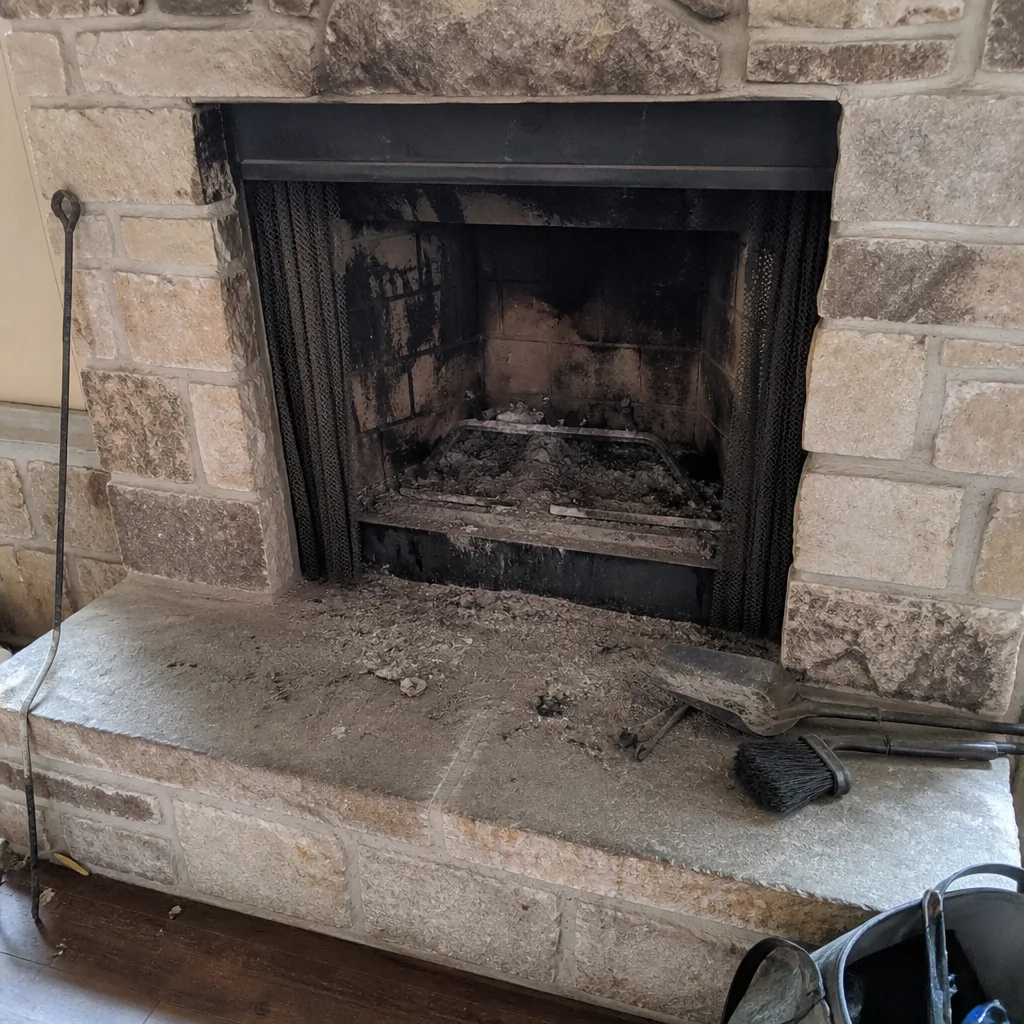 Before
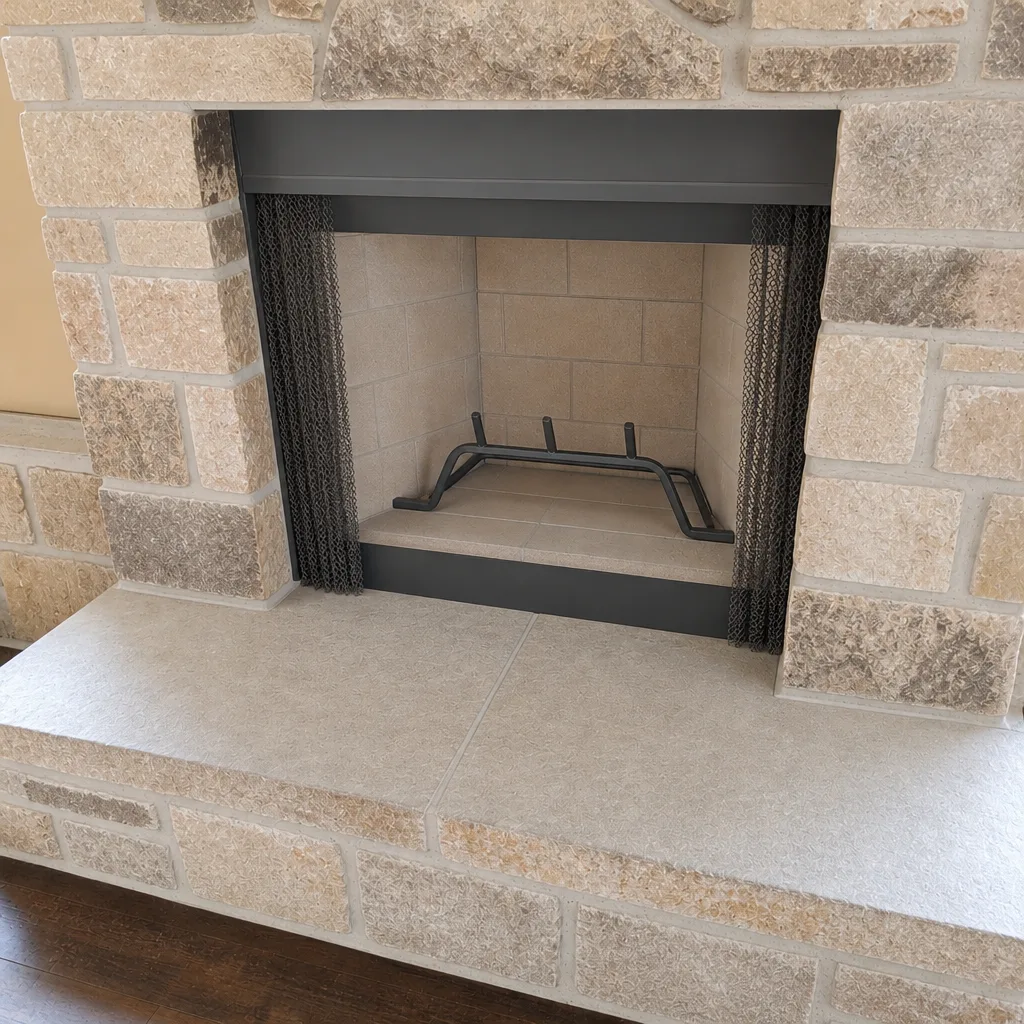 After
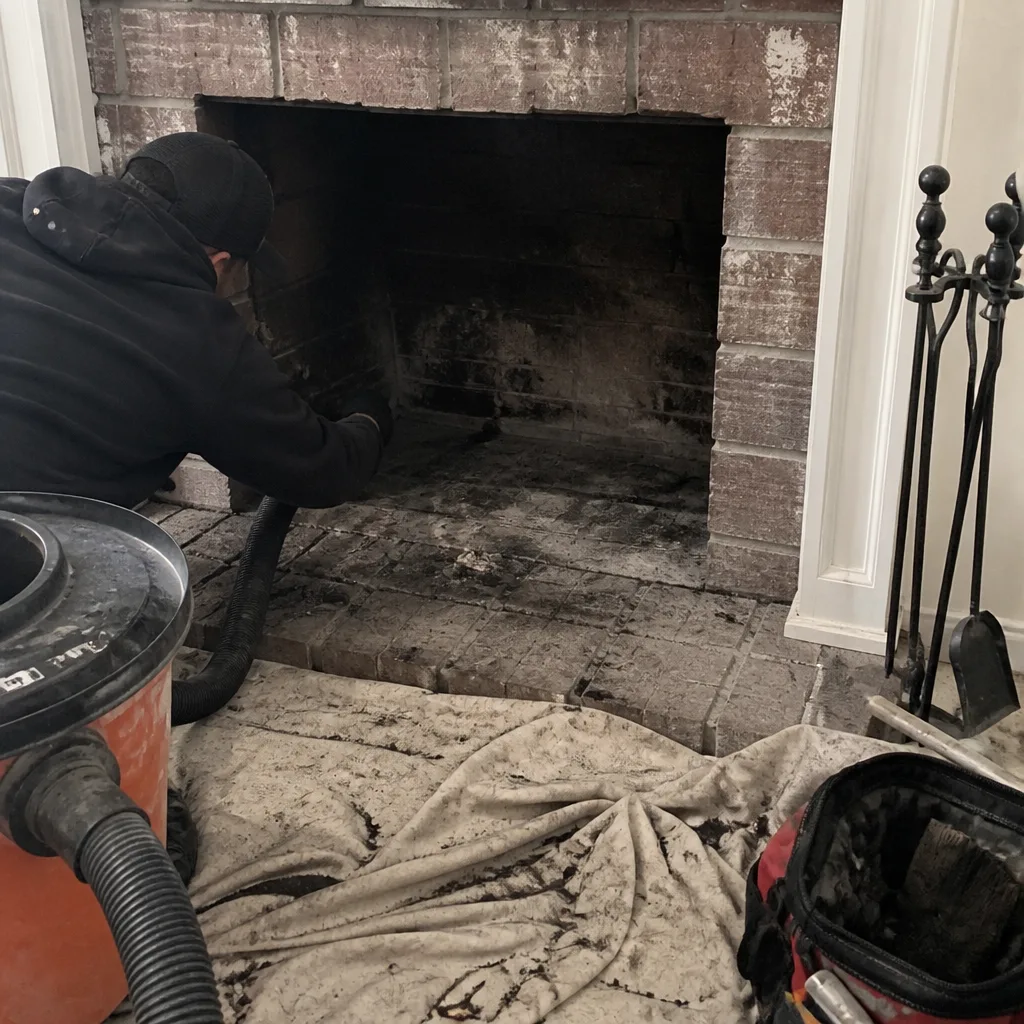 Before
 After
 Before
 After
When to Call a Professional
Call us when the chimney fire is out and the fire department has cleared the home, when a CO alarm has sounded, or when the firebox is showing damage you can see. Call us before the next fire is lit if you haven’t swept in over a year, if the cap is loose or missing, or if the crown is cracked. Call us after any new-home purchase, especially in older Alief neighborhoods where the chimney history is unknown. An honest inspection before any repair recommendation is the point; we look first, show you what we find, and tell you plainly when a chimney can wait. Chimney Sweep Alief offers free estimates in Alief. Call (855) 337-1823. We answer 24/7. Fast dispatch from 7am to 7pm, Sunday through Friday.
Frequently Asked Questions
The clearest signs after the fact are puffy, honeycombed creosote in the flue, cracked or warped liner sections, discolored chimney caps, and a strong burnt smell that lingers days later. If you heard a roar or popping during your last fire, treat it as a chimney fire and book a Level 2 inspection before using the fireplace again. Call (855) 337-1823 to schedule the inspection; estimates are free.
No. Even a fire that seemed small can crack the liner or loosen a joint, and you can’t see that from the firebox. The chimney needs a Level 2 inspection with a video scan before the next fire. Call (855) 337-1823 to book one; the inspection tells you whether the chimney is safe to relight or needs repair.
Only if the inspection shows damage. A limited fire sometimes leaves the liner intact; more often the video scan finds cracked or spalled sections. When repair is possible, systems like HeatShield resurface the flue rather than replacing it, and full replacement uses a DuraFlex liner. A free estimate from Chimney Sweep Alief shows the cost before anything is ordered.
Get everyone outside first, then call 911 from the driveway. Do not go back inside for windows or belongings. Once responders clear the home, stop using the fireplace until a chimney inspection confirms the flue is sound. Call (855) 337-1823 to arrange that inspection.
Once a year for most homes that burn wood, and more often if you burn green wood or use the fireplace heavily. Alief’s short season doesn’t change the recommendation; a lightly used chimney can still build creosote because it lasts a whole season between sweeps. Call (855) 337-1823 to book a sweep before the burning season starts.
Many policies cover fire damage to the structure, but not always the cleaning or liner replacement that follows. That’s why a written summary from the responding fire department and our inspection report matter: together they document what happened and what needs to be done. Call (855) 337-1823 for a free estimate and a written scope you can submit with a claim.
The Bottom Line
A chimney fire is a minutes-not-hours emergency, and the right response is short: get out, call 911, stay out, and don’t touch the damper to open it wider. Afterward, no fire goes in that chimney until a Level 2 inspection clears it. The other half of preparedness is quieter: an annual sweep, a working CO alarm, a cap and crown that keep water out, and a family that has walked through the sequence once. If you’re in Alief and you’d rather have that groundwork in place before the season arrives, we’re one call away and the estimate is free.
From annual sweep to full liner repair, one call handles it. We work with the brands chimney professionals trust, including DuraFlex, HeatShield, Copperfield, and Famco. If a chimney fire has happened in your Alief home, or you just want the system checked before the next fire, call (855) 337-1823. We answer 24/7. Fast dispatch from 7am to 7pm, Sunday through Friday. Our technicians have up to 9 years of experience, and we’d be glad to look at your chimney with an honest inspection first.
Written by the team at Chimney Sweep Alief.